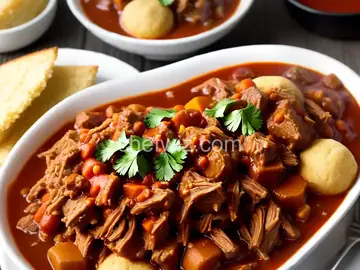
The Nasty Bits: Whole Hock Recipe
Rate this recipeBe the first to rate
 By AprilPublished
 Have you ever wondered how to make use of every part of a pig?
 By AprilPublished
 Have you ever wondered how to make use of every part of a pig?
In a large stockpot, put the hocks and add enough water to cover them. Bring the pot to a boil over high heat, skimming off any foam that rises to the surface. Reduce the heat and simmer for 5 minutes to remove impurities.
Remove the hocks from the pot, discard the liquid, and rinse the pot. Put the hocks back into the pot and cover with cold water. Bring the pot to a simmer over high heat.
Add leek, onion, carrots, 1 tablespoon of salt, bay leaves, peppercorns, thyme, and garlic to the pot. Bring the water back to a simmer and continue to simmer for 2 to 3 hours until the hocks are tender and the fat is softened. Turn off the heat and leave the hocks in the liquid.
In a large sauté pan, melt the butter over medium heat and cook the shallots for about 2 minutes until softened. Stir in 1 teaspoon of salt and remove from heat.
Remove the hocks from the liquid and place them in a bowl or baking sheet. While still hot, separate the meat from the skin and fat, reserving the skin. Pull the meat apart and set aside the bones.
Place the meat in a large bowl and keep warm. Discard the fat from the skin and finely chop the skin. Stir the chopped skin into the meat.
To shape the
Have you ever wondered how to make use of every part of a pig? The whole hock is often overlooked, but it can be a delicious and versatile ingredient. In this article, we will explore the wonders of the whole hock and provide you with some creative ideas on how to prepare it.
The whole hock refers to the lower part of a pig's leg. It is a cut that contains both the meat and the bone, making it a flavorful and collagen-rich choice. The collagen in the hock gives it a gelatinous texture when cooked slowly, making it perfect for soups, stews, and braises.
Using the whole hock allows you to make the most out of your ingredients and minimize waste. It adds depth and richness to your dishes, thanks to the collagen and fat content. The slow cooking process breaks down the tough connective tissues, resulting in tender and succulent meat.
There are numerous ways to prepare a whole hock, depending on your preferences and the dish you want to create. You can braise it with aromatics and spices, slow cook it in a flavorful broth, or even smoke it for a unique and smoky flavor. The possibilities are endless!
To braise the whole hock, start by searing it in a hot pan to develop a rich crust. Then, transfer it to a pot and add your choice of aromatics, such as onions, carrots, and garlic. Pour in some liquid, such as stock or wine, and let it simmer on low heat for several hours until the meat is tender and falling off the bone.
If you prefer a hands-off approach, slow cooking the whole hock is the way to go. Place it in a slow cooker or a Dutch oven along with your favorite seasonings and a generous amount of liquid. Let it cook on low heat for several hours until the meat is fork-tender and infused with flavor.
For a unique and smoky flavor, you can smoke the whole hock. Prepare your smoker by adding wood chips or chunks, such as hickory or applewood, and bring it to a low and steady temperature. Place the hock in the smoker and let it cook for several hours until it reaches the desired level of smokiness.
The possibilities for using cooked whole hock are endless. You can shred the meat and use it in sandwiches, soups, or casseroles. The gelatinous cooking liquid can be used as a base for sauces and gravies, adding richness and depth of flavor. You can even use the leftover bones to make a hearty stock or broth.
Whole hock can usually be found at specialty butcher shops or local farmers' markets. It may require some searching, but the effort is well worth it for the delicious results you can achieve. Alternatively, you can ask your local butcher to source it for you.
The flavor combinations for whole hock are limited only by your imagination. You can pair it with classic ingredients like beans, root vegetables, and herbs for a comforting and hearty dish. If you're feeling adventurous, you can experiment with international flavors and spices to create a unique and exotic meal.
While whole hock has its own unique qualities, you can substitute it with other cuts if necessary. Pork shanks or pork belly can be used as alternatives, although they may have slightly different textures and flavors. Remember to adjust the cooking time and method accordingly to ensure the best results.
Eating whole hock can provide some health benefits. The collagen in the hock is known to support joint health and improve skin elasticity. Additionally, the slow cooking process helps break down the fat, making it easier for your body to digest.
Whole hock can be enjoyed as part of various diets, including keto, paleo, and low-carb diets. However, it is important to note that the hock contains a higher fat content, so it should be consumed in moderation. As always, it is best to consult with a healthcare professional or nutritionist to determine its suitability for your specific dietary needs.
If you have any leftovers, store the cooked whole hock in an airtight container in the refrigerator. It can stay fresh for up to three to four days. You can also freeze the cooked hock for longer storage, ensuring you have a delicious and convenient ingredient on hand for future meals.
Absolutely! To reheat cooked whole hock, simply place it in a preheated oven at a low temperature or gently warm it in a saucepan on the stovetop. Ensure it reaches a safe internal temperature before serving to maintain its delicious flavor and texture.
While whole hock is commonly used in savory dishes, you can also get creative and incorporate it into desserts. The gelatinous texture of the hock can add a unique element to dishes like panna cotta or custards. Experiment with flavors and textures to create a truly memorable dessert experience.
Don't let the name fool you - the whole hock is a culinary gem waiting to be discovered. From its flavorful meat to its collagen-rich texture, it can elevate any dish to new heights. Whether you braise it, slow cook it, or smoke it, the whole hock is a versatile ingredient that deserves a place in your kitchen. So, why not give it a try and unlock a world of flavors?
AprilCook, recipe developer and the heart of Chefwiz. More about April