The Italian Baker's Pane di Como Recipe
Rate this recipeBe the first to rate
 By AprilPublished
 Imagine walking into a cozy Italian bakery, the aroma of fresh bread filling the air.
 By AprilPublished
 Imagine walking into a cozy Italian bakery, the aroma of fresh bread filling the air.
Combine the yeast and malt (or syrup) with water and let it sit for about 10 minutes until it becomes foamy.
Stir in the milk and gradually add the flour and malt powder (if using) while stirring with a rubber spatula or wooden spoon. Mix until smooth, about 100 strokes.
Cover the mixture with plastic wrap and let it stand for at least 4 hours or overnight, until it becomes bubbly.
Add water to the starter and break it up by mixing and squeezing it with your fingers.
In a separate bowl, mix the flour and salt together, then gradually add it to the starter mixture, stirring after each addition. When it becomes too stiff to mix with a spoon, knead it with your hands until well blended, about 4 to 5 minutes. Develop the gluten by slapping the dough down on a well-floured surface.
Mix the starter and water together until the starter is broken up, then add the flour and salt. Mix for 2 to 3 minutes at low speed until the dough is smooth but still sticks to the sides of the bowl. Switch to the dough hook and knead at medium speed until the dough is elastic but slightly sticky, about 3 to 4 minutes. Finish kneading by hand on a floured surface.
Refrigerate the starter until cold. If needed, make the dough in two batches. Place the flour and salt in a food
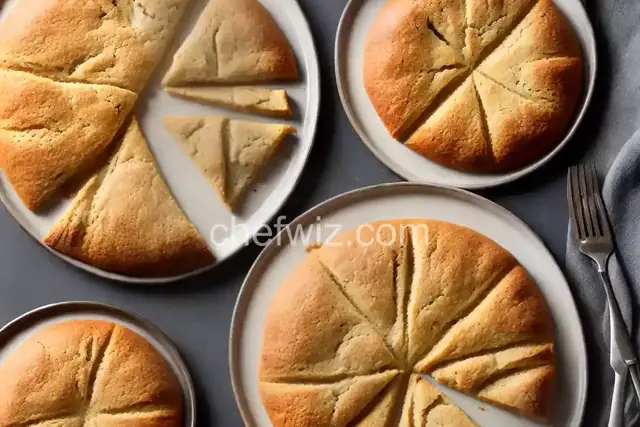
Imagine walking into a cozy Italian bakery, the aroma of fresh bread filling the air. As you approach the counter, you're captivated by the sight of golden loaves of Pane di Como, a traditional Italian bread. The crust is perfectly crisp, while the inside is soft and chewy. It's a bread-lover's dream come true.
Pane di Como is a bread that embodies the essence of Italian baking. It's a bread that tells a story of tradition, craftsmanship, and passion. Every step of the baking process is carefully executed, from the selection of high-quality ingredients to the precise measurements and techniques. The result is a bread that is not only delicious but also a testament to the artistry of Italian bakers.
One of the key factors that sets Pane di Como apart from other bread is the time it takes to make it. The dough undergoes a slow fermentation process, allowing the flavors to develop and the gluten to strengthen. This slow process not only enhances the taste and texture of the bread but also makes it easier to digest.
Flour is the backbone of any bread, and the choice of flour for Pane di Como is crucial. Italian bakers often use a combination of high-quality wheat flours, such as Tipo 00 and semolina, to achieve the perfect balance of flavor and texture.
Yeast is another key player in the bread-making process. It's the yeast that gives the bread its light and airy texture. Italian bakers often use natural yeast, also known as sourdough starter, to give the bread a unique tangy flavor.
The process of kneading the dough is a labor of love. It's a skill that requires precision, strength, and patience. The dough is gently stretched and folded, allowing the gluten to develop and giving the bread its characteristic elasticity. Once the dough is ready, it's shaped into loaves, rolls, or other desired forms.
The final step in the process is baking the bread to perfection. The loaves are placed in a hot oven, where they undergo a magical transformation. The heat causes the yeast to produce carbon dioxide, creating those beautiful air pockets inside the bread. The crust turns golden brown, adding a delightful crunch to each bite.
Pane di Como is best enjoyed fresh out of the oven, when the crust is still warm and crispy. It's perfect for dipping into olive oil or spreading with your favorite Italian cheeses. Whether you're having it for breakfast, lunch, or dinner, Pane di Como is a versatile bread that can be enjoyed in many ways.
Pane di Como is more than just a bread; it's a symbol of Italian baking tradition and artistry. The careful selection of ingredients, the meticulous process of kneading and shaping, and the patience required for slow fermentation all contribute to the creation of this exceptional bread.
So, the next time you visit an Italian bakery or decide to try your hand at making Pane di Como at home, take a moment to appreciate the craftsmanship and passion that goes into every loaf. And when you take that first bite, savor the flavors and textures that make this bread truly special.
A1: Absolutely! While it may require some practice to achieve the perfect texture and flavor, making Pane di Como at home is a rewarding experience.
A2: While Tipo 00 flour is preferred for its fine texture, you can use all-purpose flour as a substitute. Just keep in mind that the texture and taste may differ slightly.
A3: The entire process, including fermentation and baking, can take anywhere from 8 to 12 hours. It's a bread that requires patience but is well worth the wait.
A4: Yes, you can freeze Pane di Como. Just make sure to wrap it tightly in plastic wrap and place it in an airtight container before freezing.
A5: Absolutely! Pane di Como is a versatile bread that can be customized to your liking. Feel free to experiment with different herbs, cheeses, or other add-ins.
A6: Yes, you can use instant yeast as a substitute for natural yeast. Just make sure to adjust the quantity according to the instructions on the package.
A7: To keep Pane di Como fresh, store it in a paper bag or bread box at room temperature. Avoid storing it in plastic, as it can make the crust soggy.
A8: Absolutely! Pane di Como's soft yet sturdy texture makes it perfect for sandwiches. It can hold up to any filling without getting soggy.
AprilCook, recipe developer and the heart of Chefwiz. More about April