The Devil's Own Deviled Eggs
Rate this recipeBe the first to rate
 By AprilPublished
 When it comes to appetizers, few can resist the tempting allure of deviled eggs.
 By AprilPublished
 When it comes to appetizers, few can resist the tempting allure of deviled eggs.
Place the eggs in a saucepan in a single layer and add enough water to cover them by at least 1 inch.
Bring the water to a boil over high heat.
Once boiling, cover the saucepan and remove it from the heat.
Allow the eggs to sit in the hot water for 15 minutes.
Drain the hot water and rinse the eggs under cold running water in the sink to cool them.
Peel the eggs.
Cut the cooled eggs in half lengthwise.
Remove the yolks and place them in a mixing bowl.
Add the jalapeno, habanero, mayonnaise, and mustard to the bowl with the yolks.
Mash all the ingredients together until smooth.
Transfer the yolk mixture to a pastry bag.
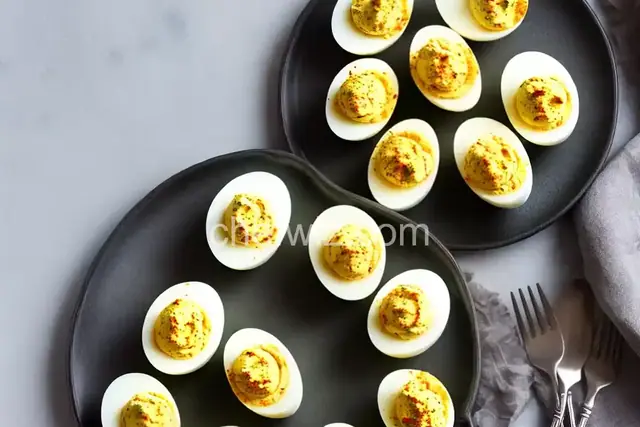
Decoratively squeeze the yolk mixture into the hollowed-out white egg halves.
Sprinkle paprika on top of the filled eggs as a garnish.
When it comes to appetizers, few can resist the tempting allure of deviled eggs. These bite-sized delights are a staple at potlucks, picnics, and holiday gatherings. But have you ever wondered about the origin of the name "deviled eggs"? Or what makes them so devilishly delicious? In this article, we will explore the fascinating history of deviled eggs and share some tips for creating your own heavenly version of this classic dish.
The term "deviled" dates back to the 18th century and was commonly used to describe highly seasoned or spiced foods. It was believed that adding spices to a dish would make it more appealing and flavorful, much like adding a hint of devilishness. Deviled eggs, as we know them today, are thought to have originated in ancient Rome, where eggs were boiled, seasoned with various spices, and then served as a delicacy.
One of the key elements of a delicious deviled egg is the filling. The traditional filling consists of the egg yolks, mayonnaise, mustard, and a dash of salt and pepper. However, the beauty of deviled eggs is that you can get creative with the flavors and add your own twist. Try adding ingredients like bacon, chives, hot sauce, or even avocado to give your deviled eggs a unique and flavorful kick.
Creating the perfect deviled eggs requires a delicate balance of flavors and textures. Here are some tips to help you achieve deviled egg perfection:
Start by boiling the eggs. Place them in a pot of cold water and bring it to a boil. Once the water is boiling, reduce the heat and let the eggs simmer for about 10 minutes. This will ensure that the eggs are cooked through but not overcooked, resulting in a creamy and tender yolk.
Peeling boiled eggs can sometimes be a frustrating task. To make the process easier, try adding a teaspoon of baking soda to the boiling water. This will help loosen the eggshell and make it easier to peel without damaging the delicate egg whites.
Deviled eggs are not only delicious but also incredibly versatile when it comes to presentation. Instead of the traditional piping bag, try using a Ziploc bag with one corner snipped off for a more casual and rustic look. You can also experiment with different toppings like paprika, fresh herbs, or even tiny pieces of crispy bacon for added texture and visual appeal.
Deviled eggs are a timeless classic that never fails to impress. Whether you stick to the traditional recipe or put your own spin on it, these devilishly delicious appetizers are sure to be a hit at any gathering. So, the next time you're looking for a crowd-pleasing dish, whip up a batch of your very own deviled eggs and watch them disappear in no time.
Yes, you can make deviled eggs ahead of time. Simply prepare the filling and store it in an airtight container in the refrigerator. When you're ready to serve, spoon the filling into the egg whites and garnish as desired.
Deviled eggs can be stored in the refrigerator for up to two days. However, it's best to consume them within 24 hours for the best flavor and texture.
It is not recommended to freeze deviled eggs as the texture and flavor may be affected. It's best to enjoy them fresh or refrigerated.
Absolutely! While traditional yellow mustard is commonly used in deviled egg recipes, you can experiment with different types of mustard to suit your taste. Dijon mustard or spicy brown mustard can add a unique twist to the flavor profile.
Deviled eggs are naturally gluten-free. However, it's essential to check the labels of any additional ingredients you use to ensure they are gluten-free as well.
Yes, you can make a vegan version of deviled eggs by using tofu or other plant-based substitutes instead of eggs. There are many creative vegan recipes available that mimic the flavors and textures of traditional deviled eggs.
Absolutely! The beauty of deviled eggs is that you can customize the filling to your liking. Feel free to add ingredients like pickles, olives, or even grated cheese for a unique twist.
Yes, you can make mini deviled eggs by using quail eggs or cutting regular boiled eggs in half. Mini deviled eggs are perfect for bite-sized appetizers or elegant hors d'oeuvres.
Yes, you can substitute mayonnaise with Greek yogurt for a healthier twist. Greek yogurt adds a creamy texture and tangy flavor to the filling while reducing the calorie and fat content.
AprilCook, recipe developer and the heart of Chefwiz. More about April