The Best Scrambled Eggs
Rate this recipeBe the first to rate
 By AprilPublished
 When it comes to cooking breakfast, few dishes are as versatile and satisfying as scrambled eggs.
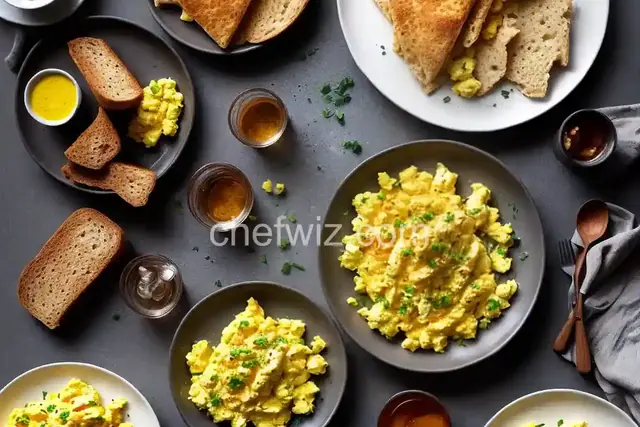 By AprilPublished
 When it comes to cooking breakfast, few dishes are as versatile and satisfying as scrambled eggs.
In a medium bowl, combine the eggs, heavy cream, a pinch of salt, and a few grinds of black pepper. Whisk until the mixture is well blended.
Heat the butter in a medium nonstick skillet over medium heat until melted.
Pour the egg mixture into the skillet and increase the heat to medium-high.
Stir the mixture using a rubber spatula until small curds start to form.
Reduce the heat to low and add the creme fraiche and chives to the skillet.
Continue stirring until the creme fraiche is fully incorporated and the eggs are just cooked, but still soft.
Transfer the cooked eggs to a plate.
Serve the dish immediately.
When it comes to cooking breakfast, few dishes are as versatile and satisfying as scrambled eggs. Whether you enjoy them plain or jazzed up with flavorful additions, a plateful of fluffy scrambled eggs is the perfect start to any day. But what's the secret to making the best scrambled eggs? Let's dive in and find out!
Before we get into the nitty-gritty details, let's talk about the importance of technique when it comes to making scrambled eggs. It's not just about throwing some eggs in a pan and stirring them around. The way you handle the eggs can make all the difference between a mediocre scramble and a truly outstanding one.
Think of making scrambled eggs like conducting an orchestra. You need to control the heat, timing, and rhythm to create a symphony of flavors and textures. With the right technique, you can achieve eggs that are creamy, light, and bursting with flavor.
One of the keys to great scrambled eggs is getting the temperature just right. Too high, and your eggs will turn out dry and rubbery. Too low, and they'll be soft and watery. Aim for a medium-low heat to gently cook the eggs, allowing them to develop that beautiful custard-like texture.
Another crucial step in making the best scrambled eggs is whisking them thoroughly. Whisking incorporates air into the eggs, resulting in a lighter and fluffier texture. It's like giving your eggs a little boost of energy, making them rise to new heights.
While scrambled eggs can be delicious on their own, there's no harm in adding a little extra flavor. Whether it's a sprinkle of salt and pepper, a dash of hot sauce, or a handful of your favorite cheese, the options are endless. Get creative and experiment with different combinations to find your favorite flavor profile.
Scrambled eggs are a breakfast classic for a reason. With the right technique and a touch of creativity, you can elevate this humble dish to new heights. So, next time you're in the mood for a delicious and satisfying breakfast, give these tips a try and enjoy the best scrambled eggs you've ever had!
Absolutely! While adding milk or cream can make the eggs even creamier, it's not necessary. You can achieve delicious scrambled eggs without dairy by simply whisking the eggs thoroughly and cooking them with the right technique.
Using a non-stick pan is a great option to prevent your scrambled eggs from sticking. If you don't have one, make sure to grease the pan with a little butter or oil before adding the eggs. Additionally, using a silicone spatula can help you gently stir and scrape the eggs, preventing them from sticking to the bottom of the pan.
Absolutely! Adding vegetables to your scrambled eggs is a fantastic way to boost their nutritional value and add extra flavor. Just make sure to cook the vegetables before adding the eggs, as they may require a bit more cooking time.
To achieve creamy scrambled eggs, be sure to whisk them thoroughly before cooking. Once in the pan, keep the heat on medium-low and stir the eggs gently and continuously. This will create small curds and prevent them from drying out, resulting in creamy and velvety scrambled eggs.
While scrambled eggs are best enjoyed fresh, you can make them ahead of time and reheat them later. To prevent them from drying out, slightly undercook the eggs before storing them in an airtight container in the refrigerator. When ready to eat, gently reheat them in a pan or microwave, stirring occasionally.
Yes, you can freeze scrambled eggs! However, the texture may change slightly upon thawing. To freeze scrambled eggs, allow them to cool completely before transferring them to a freezer-safe container. When you're ready to enjoy them, thaw them overnight in the refrigerator and reheat them gently.
Absolutely! If you prefer your scrambled eggs with intact yolks, you can gently separate the whites and yolks and add them separately to the pan. Once in the pan, gently stir the whites and yolks together, creating beautiful ribbons of yolk throughout the scramble.
There are countless ways to add flavor and excitement to your scrambled eggs. Consider adding cooked bacon, sautéed mushrooms, diced tomatoes, fresh herbs, or even a dollop of pesto. The possibilities are endless, so don't be afraid to get creative!
AprilCook, recipe developer and the heart of Chefwiz. More about April