The Best Samosas
Rate this recipeBe the first to rate
 By AprilPublished
 Do you love the crispy exterior and flavorful filling of a samosa?
 By AprilPublished
 Do you love the crispy exterior and flavorful filling of a samosa?
To make the dough, combine the flour, ajwain (if using), and salt in a bowl.
Add the oil and mix it into the flour mixture using your hands until fully incorporated.
Gradually add water while stirring with a wooden spoon until a shaggy dough is formed.
Transfer the dough to a work surface and knead it for about 3 minutes until soft and pliable.
Rub about 1 teaspoon of oil over the dough, place it on a plate, and cover it with a damp towel.
Let the dough rest in the refrigerator for at least an hour or overnight.
For the filling, put the potatoes in a saucepan and cover them with cold tap water by about 2 inches.
Season with salt and bring to a boil.
Lower the heat and simmer until the potatoes are tender, about 10 minutes.
Drain the potatoes and transfer them to a medium bowl to cool slightly.
Use a fork to slightly smash the potatoes.
In a small food processor, combine the onion, ginger, garlic, chiles, and 1 tablespoon of water.
Puree the ingredients to form a paste.
Heat the ghee in a large skillet over medium-high heat.
Add the mustard and cumin seeds and cook, stirring constantly, until fragrant, about 30 seconds
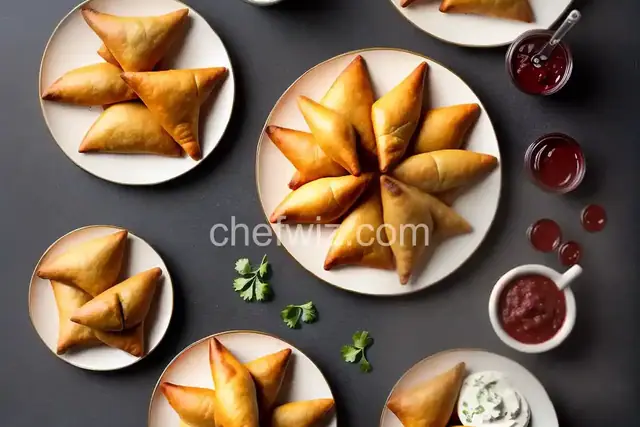
Do you love the crispy exterior and flavorful filling of a samosa? Well, you're not alone! Samosas are beloved by people all over the world for their delicious taste and versatility. Whether you're a fan of the traditional potato and pea filling or prefer to experiment with different ingredients, samosas are a delightful treat that can be enjoyed as a snack or a meal. In this article, we will explore the world of samosas and reveal some tips and tricks for making the best samosas at home.
Have you ever wondered why samosas are so popular? It's not just because of their incredible taste, but also because they offer a unique culinary experience. The combination of the crispy, golden-brown pastry and the savory filling creates a burst of flavors in your mouth. It's like a party for your taste buds! Moreover, samosas are incredibly versatile. You can enjoy them as a standalone snack, serve them as an appetizer at parties, or even pair them with a side dish to create a complete meal.
Now that we've established the awesomeness of samosas, let's dive into the art of making the perfect samosa. The secret lies in the pastry and the filling. A good samosa should have a crispy, flaky exterior that is not too oily. The filling, on the other hand, should be well-seasoned and packed with flavor. Whether you're making a traditional potato and pea samosa or trying out a new filling, it's important to cook the filling thoroughly before filling the pastry. This ensures that the flavors meld together and the filling doesn't become soggy.
When it comes to the pastry, you have two options – homemade or store-bought. Homemade pastry gives you more control over the texture and flavor, but store-bought pastry is a convenient option when you're short on time. Whichever option you choose, make sure to roll the pastry thin and evenly. This ensures that the samosas cook evenly and have a crispy texture.
The filling is where you can get creative and experiment with different flavors. From classic potato and pea to chicken, beef, or even vegetarian options like spinach and paneer, the possibilities are endless. The key to a flavorful filling is using fresh ingredients and a balanced combination of spices. Don't be afraid to play around with different spice blends to find your perfect samosa filling.
Now that you have the basics down, here are some additional tips and tricks to take your samosas to the next level:
When folding the pastry to form the samosa shape, make sure to seal the edges tightly. This prevents the filling from spilling out during frying.
The key to a perfectly cooked samosa is frying at the right temperature. Too low, and the samosas will absorb too much oil. Too high, and they will burn before the filling is cooked through. Aim for a medium-high heat and fry until golden brown.
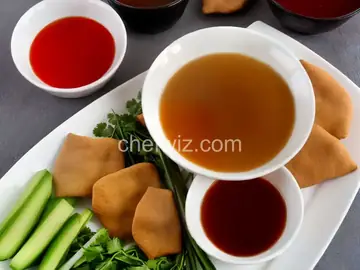
Samosas are delicious on their own, but they taste even better when served with a tangy chutney. Mint chutney, tamarind chutney, or even a spicy tomato chutney can complement the flavors of the samosa perfectly.
Samosas are a culinary delight that brings joy to people all around the world. With their crispy exterior and flavorful filling, they are a snack worth savoring. Whether you're making them at home or enjoying them at a restaurant, samosas are sure to satisfy your cravings. So go ahead, indulge in the deliciousness of samosas and explore the endless possibilities of fillings and flavors!
Yes, samosas can be frozen before or after frying. Just make sure to store them in an airtight container to maintain their freshness.
Absolutely! Baked samosas are a healthier alternative to fried ones. Simply brush them with oil and bake in a preheated oven until golden brown.
Yes, there are gluten-free pastry options available that can be used to make samosas. Look for gluten-free pastry sheets or make your own using gluten-free flours.
Leftover samosas can be stored in the refrigerator for up to 3 days. Just reheat them in a preheated oven or microwave before serving.
Yes, you can! Sweet samosas are a delicious dessert option. Fill them with a mixture of fruits, nuts, and sweet spices, and serve them with a scoop of ice cream.
Absolutely! If you're avoiding onions and garlic, you can still make tasty samosas using other aromatic spices and vegetables like carrots, bell peppers, or even sweet potatoes.
Yes, air-frying is a healthier cooking method for samosas. Simply brush them with oil and air-fry at the recommended temperature until golden brown and crispy.
Definitely! Mini samosas are perfect for parties and gatherings. They make great finger food and can be served with a variety of dipping sauces.
AprilCook, recipe developer and the heart of Chefwiz. More about April