The Best Moules Marinières (Sailor-Style Mussels) Recipe
Rate this recipeBe the first to rate
 By AprilPublished
 Are you a seafood lover? Do you crave a dish that combines the freshness of the ocean with a touch of sophistication?
 By AprilPublished
 Are you a seafood lover? Do you crave a dish that combines the freshness of the ocean with a touch of sophistication?
In a medium Dutch oven or large saucepan, melt 1 tablespoon of butter over medium-low heat.
Add leeks, shallot, garlic, and bay leaves to the melted butter.
Lightly season the vegetables with salt and heavily with black pepper.
Cook the vegetables, stirring, until they are very soft but not browned, about 10 minutes.
Increase the heat to high and pour in cider or wine.
Bring the mixture to a boil and let it reduce by half, which should take around 2 minutes.
Add the mussels to the pot and stir.
Cover the pot and cook the mussels, shaking the pan constantly and peeking every 30 seconds to stir.
Once all the mussels have opened, use tongs to transfer them to a bowl.
Place the lid of the pan over the bowl to keep the mussels warm.
Remove the pot from the heat and whisk in the remaining butter, along with mayonnaise or crème fraîche if desired.
Return the mussels to the pot and add parsley, lemon juice, and lemon zest.
Stir to combine the ingredients and then transfer the mixture to a warm serving bowl.
Serve immediately with additional mayonnaise if desired, and broiled bread.
Are you a seafood lover? Do you crave a dish that combines the freshness of the ocean with a touch of sophistication? Look no further than the classic French dish, Moules Marinières. This delectable recipe is not only easy to make but also bursts with flavors that will transport your taste buds to the shores of Brittany. Let's dive into the world of Moules Marinières and discover why it's a favorite among seafood enthusiasts.
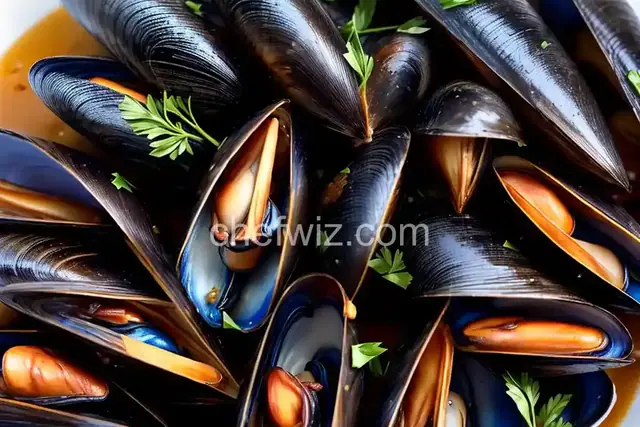
Imagine plump, juicy mussels cooked in a fragrant blend of white wine, garlic, shallots, and herbs. The broth, infused with these aromatic ingredients, creates a symphony of flavors that perfectly complements the natural sweetness of the mussels. It's like a culinary dance on your palate, where each bite is a step closer to seafood heaven.
Preparing Moules Marinières is as much about technique as it is about ingredients. The key lies in finding the freshest mussels available. Like sailors navigating the open sea, you too must seek out the best catch. Once you've secured your mussels, it's time to unleash your inner chef.
Start by gently sautéing shallots and garlic in a generous knob of butter. The aroma that fills your kitchen will make your mouth water in anticipation. Next, add the star ingredient – the mussels – and pour in the white wine. As the liquid simmers, it releases its flavors, infusing the mussels with its essence.
As the mussels cook, they release their own juices, adding to the magic of the dish. It's like a symphony of flavors coming together, orchestrated by your culinary skills. Finally, a sprinkle of fresh herbs – parsley, thyme, and a hint of lemon zest – elevates the dish to new heights.
Moules Marinières is best enjoyed with a crusty baguette, perfect for dipping into the flavorful broth. The combination of the tender mussels, the aromatic broth, and the crunchy bread creates a medley of textures that will leave you craving more. Pair it with a glass of chilled white wine, and you have a match made in culinary heaven.
Alternatively, you can serve Moules Marinières over a bed of linguine or fries, adding a touch of indulgence to this already exquisite dish. The choice is yours – let your imagination sail.
You can find fresh mussels at your local seafood market or grocery store. Look for mussels that are tightly closed or close when tapped, indicating their freshness.
While fresh mussels are recommended for the best taste, you can use frozen mussels if necessary. Just make sure to thaw them properly before cooking.
White wine adds a unique flavor to Moules Marinières, but if you prefer a non-alcoholic version, you can substitute it with vegetable broth or seafood stock.
Before cooking, discard any mussels that are cracked, open, or do not close when tapped. Additionally, any mussels that do not open after cooking should also be discarded.
While Moules Marinières traditionally features mussels as the star ingredient, you can experiment by adding other seafood, such as shrimp or clams, to enhance the flavor profile.
Mussels are best enjoyed fresh and are not recommended for freezing. It's always best to consume them on the day of cooking.
Fresh herbs add a vibrant flavor to Moules Marinières, but if you don't have them on hand, you can use dried herbs. Just remember to adjust the quantities accordingly, as dried herbs are more potent.
Moules Marinières is best enjoyed immediately after cooking. The flavors are at their peak when served fresh, so it's advisable to prepare it just before your meal.
In conclusion, Moules Marinières is a dish that captures the essence of the sea and the elegance of French cuisine. Its simplicity in preparation belies the complexity of flavors it delivers. Whether you're a seasoned seafood lover or a curious culinary explorer, this recipe promises to transport you to the coastal wonders of France. So grab your apron and embark on a delicious adventure with Moules Marinières!
AprilCook, recipe developer and the heart of Chefwiz. More about April