The Best Hummus
Rate this recipeBe the first to rate
 By AprilPublished
 Are you a fan of creamy, flavorful dips that pair perfectly with pita bread or fresh veggies?
 By AprilPublished
 Are you a fan of creamy, flavorful dips that pair perfectly with pita bread or fresh veggies?
Place the chickpeas in a medium saucepan and add the baking soda.
Cover the chickpeas with several inches of water and bring the mixture to a boil over high heat.
Continue boiling for about 20 minutes or until the chickpeas are bloated, their skins are falling off, and they are soft.
Drain the chickpeas in a fine-mesh strainer and rinse them with cool water for about 30 seconds. Set aside.
In a food processor or high-powered blender, combine the lemon juice, garlic, and salt. Process until the garlic is finely chopped.
Let the mixture rest for about 10 minutes to mellow the garlic flavor.
Add the tahini to the food processor and blend until the mixture is thick and creamy, scraping down the sides as needed.
While the food processor is running, gradually drizzle in 2 tablespoons of ice water. Scrape down the processor and blend until the mixture is smooth and creamy.
If the tahini was thick, you may need to add 1 to 2 more tablespoons of ice water.
Add the cumin and the drained chickpeas to the food processor and blend, drizzling in the olive oil.
Blend until the mixture is super smooth, scraping down the sides as necessary, for about 2 minutes.
If needed, add more ice water by the tablespoon to achieve a creamy texture
Are you a fan of creamy, flavorful dips that pair perfectly with pita bread or fresh veggies? Look no further than hummus! This Middle Eastern delicacy has gained popularity worldwide for its delicious taste and versatility. In this article, we will explore what makes the best hummus and share some tips and tricks to elevate your hummus game.
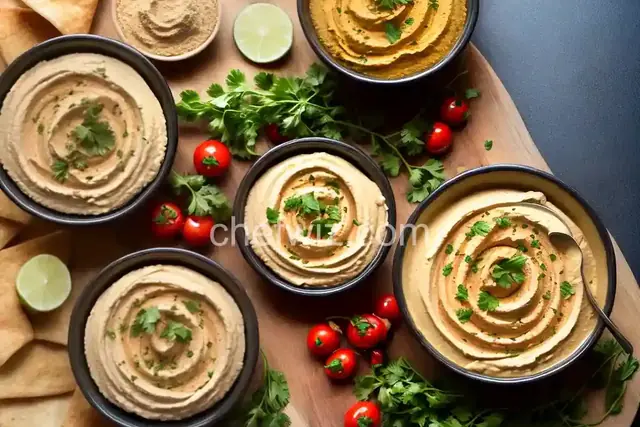
Hummus is a savory dip made from cooked chickpeas, tahini (sesame seed paste), olive oil, lemon juice, garlic, and salt. It has a smooth and creamy texture with a nutty flavor that is both satisfying and addictive. Hummus can be enjoyed as a spread, dip, or even as a base for sandwiches and wraps.
The secret to making the best hummus lies in the quality of the ingredients and the balance of flavors. Using fresh ingredients, such as freshly cooked chickpeas and homemade tahini, can make a world of difference in the taste and texture of your hummus. Additionally, the right amount of lemon juice, garlic, and olive oil can enhance the overall flavor profile.
Start with high-quality chickpeas for your hummus. If possible, soak dried chickpeas overnight and cook them until they are soft and tender. Canned chickpeas can also be used if you're short on time, but make sure to rinse them well to remove any excess sodium.
Tahini is a key ingredient in hummus, and making your own tahini can take your hummus to the next level. Simply blend roasted sesame seeds with olive oil until a smooth paste forms. Store-bought tahini can also be used, but make sure to choose a high-quality brand for the best results.
Adding the right amount of lemon juice, garlic, and olive oil can elevate the flavor of your hummus. Use fresh lemon juice for a tangy kick, and adjust the amount of garlic to your liking. Extra-virgin olive oil adds richness and depth to the dip.
Once you have mastered the basics of making hummus, you can get creative and experiment with different flavors and toppings to enhance your hummus experience. Here are a few ideas to get you started:
Add roasted red peppers to your hummus for a smoky and slightly sweet flavor. Simply blend the roasted peppers with the rest of the ingredients for a vibrant and colorful dip.
If you like a little heat, add some diced jalapenos to your hummus. The spiciness of the jalapenos will complement the creamy texture of the dip, giving it an extra kick.
Experiment with different herbs and spices to add depth and complexity to your hummus. Fresh herbs like cilantro, parsley, or basil can provide a burst of freshness, while spices like cumin or paprika can add warmth and earthiness.
Hummus is a versatile and delicious dip that can be enjoyed in various ways. By using high-quality ingredients and balancing the flavors, you can create the best hummus that will impress your friends and family. Get creative with different flavors and toppings to make your hummus truly unique. Whether you like it spicy, tangy, or herby, there's a hummus variation for everyone. So go ahead, grab your favorite dippers, and indulge in the creamy goodness of homemade hummus!
Yes, you can make hummus without tahini. Simply substitute it with other ingredients like Greek yogurt, nut butter, or avocado for a different twist.
Homemade hummus can be stored in the refrigerator for up to one week. Make sure to keep it in an airtight container to maintain freshness.
Yes, you can freeze hummus. Transfer it to a freezer-safe container and store it for up to three months. Thaw it in the refrigerator before serving.
Yes, hummus is naturally gluten-free as it is made from chickpeas and other gluten-free ingredients. However, always check the labels of store-bought hummus for any potential gluten-containing additives.
While chickpeas are the traditional base for hummus, you can experiment with other beans like black beans or white beans for a unique twist on the classic recipe.
Hummus pairs well with pita bread, sliced cucumbers, carrot sticks, bell peppers, and even crackers. It can also be used as a spread in sandwiches and wraps.
Yes, you can make oil-free hummus by omitting the olive oil and replacing it with water or vegetable broth. However, keep in mind that the texture and flavor may be slightly different.
To make your hummus smoother, you can add a little bit of water or olive oil while blending. Start with a small amount and gradually increase until you achieve the desired consistency.
AprilCook, recipe developer and the heart of Chefwiz. More about April