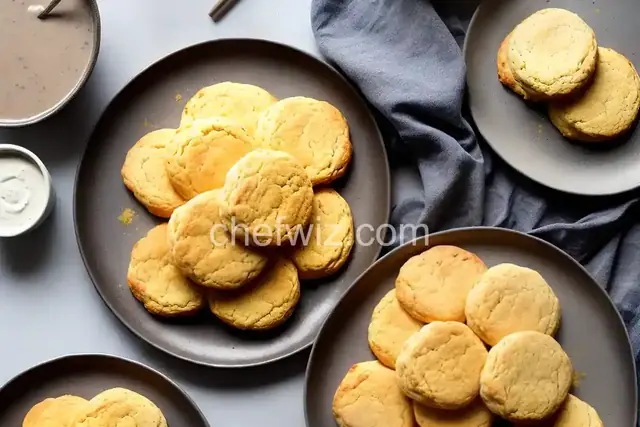
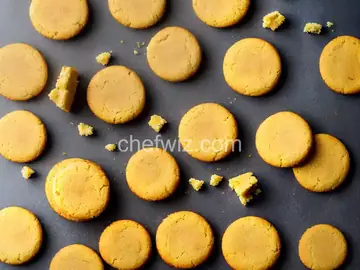
Who doesn't love a warm, flaky buttermilk biscuit? Whether you're enjoying them as a breakfast treat, a side dish, or as a base for a delicious sandwich, buttermilk biscuits are a timeless classic that never fails to satisfy. In this article, we'll explore the secrets to making the best flaky buttermilk biscuits that will have your taste buds dancing with delight.
The Magic of Buttermilk
Buttermilk is the secret ingredient that sets these biscuits apart. Its tangy flavor and acidity react with the leavening agents in the recipe, resulting in a light and tender texture. Think of it as the fairy godmother of baking, transforming a simple mixture of flour, butter, and leavening agents into a fluffy cloud of deliciousness.
Choosing the Right Flour
The choice of flour can make or break your biscuits. For the lightest and flakiest results, opt for a low-protein flour like cake flour or pastry flour. These flours have less gluten, which means less toughness and a more tender biscuit. If you don't have cake or pastry flour on hand, you can achieve similar results by using a combination of all-purpose flour and cornstarch.
Handling the Dough
When it comes to biscuit dough, less is more. Overmixing can lead to tough biscuits, so it's important to handle the dough gently and only mix until the ingredients are just combined. Remember, we're aiming for flakiness here, not toughness. To achieve those beautiful layers, fold the dough instead of kneading it. This creates pockets of butter that will melt during baking, creating those sought-after flaky layers in your biscuits.
In Conclusion
There's nothing quite like the satisfaction of biting into a warm, flaky buttermilk biscuit. With the right ingredients, handling techniques, and a touch of creativity, you can easily make the best flaky buttermilk biscuits in your own kitchen. So why wait? Get your apron on, preheat that oven, and embark on a biscuit-making adventure that will leave you and your loved ones craving for more!
Frequently asked questions
- . Can I use regular milk instead of buttermilk?
While buttermilk is ideal for achieving the best flavor and texture, you can use regular milk as a substitute. Just add a tablespoon of lemon juice or vinegar to a cup of milk, let it sit for a few minutes, and you'll have a buttermilk substitute ready to go!
- . Can I freeze biscuit dough?
Absolutely! Freezing biscuit dough is a great way to have fresh biscuits on hand whenever you want them. Simply shape the dough into biscuits, place them on a baking sheet lined with parchment paper, and freeze until firm. Once frozen, transfer the biscuits to a freezer bag. When you're ready to bake, simply thaw the desired amount of biscuits and bake as usual.
- . How do I store leftover biscuits?
If you somehow have any biscuits left over (which is rare because they're so delicious!), store them in an airtight container at room temperature for up to two days. To reheat, wrap them in foil and warm them in a preheated oven for a few minutes until warm and flaky.
- . Can I make biscuits ahead of time?
Absolutely! You can make biscuit dough ahead of time and refrigerate it overnight. This allows the dough to relax and develop even more flavor. When you're ready to bake, simply shape the dough into biscuits and bake as usual.
- . Can I add savory or sweet mix-ins to the dough?
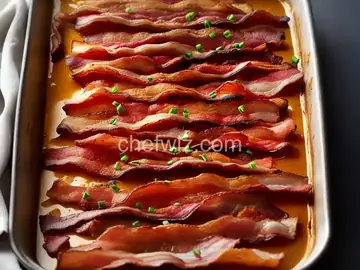
Definitely! Biscuits are incredibly versatile and can be customized to your liking. Try adding shredded cheese, herbs, bacon, or even a sprinkle of sugar and cinnamon for a sweet twist. Get creative and let your taste buds guide you!
- . Why did my biscuits turn out flat?
Flat biscuits can be the result of a few factors. One common mistake is using old leavening agents. Baking powder and baking soda lose their potency over time, so make sure yours are fresh. Additionally, overmixing the dough can also result in flat biscuits. Remember to handle the dough gently and mix just until the ingredients are combined.
- . Can I make gluten-free biscuits?
Absolutely! There are many gluten-free flour blends available that can be used as a substitute for regular flour. Experiment with different blends until you find the one that works best for you. Don't let dietary restrictions stop you from enjoying these delightful treats!
- . Can I make biscuits without butter?
While butter is the traditional fat used in biscuit recipes, you can experiment with other fats like shortening or lard. Keep in mind that the flavor and texture may vary slightly, but you can still achieve delicious biscuits without butter.
 By AprilPublished