The Best Coconut Layer Cake
Rate this recipeBe the first to rate
 By AprilPublished
 Are you a fan of coconut? Do you crave that perfect combination of moist cake and creamy frosting?
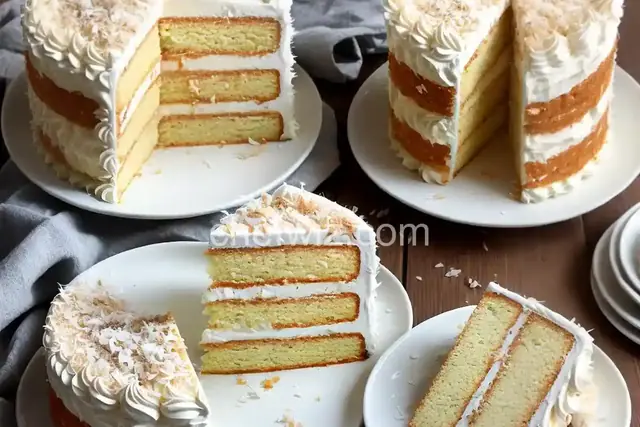 By AprilPublished
 Are you a fan of coconut? Do you crave that perfect combination of moist cake and creamy frosting?
Preheat the oven to 350 degrees F and position the racks in the middle and lower third of the oven.
Butter three 9-inch round cake pans and line the bottoms with parchment paper. Butter the parchment and dust with flour, tapping out the excess.
In a medium bowl, whisk together the flour, baking powder, baking soda, and salt.
In a small bowl, whisk together the buttermilk and cream of coconut.
In a large bowl, beat the butter and 1 1/4 cups granulated sugar with a mixer on medium-high speed until light and fluffy (about 4 minutes).
Add the egg yolks one at a time, beating well after each addition. Then beat in the vanilla and coconut extracts.
Reduce the mixer speed to low and beat in the flour mixture in three batches, alternating with the buttermilk mixture, until combined.
In another large bowl, beat the egg whites and the remaining 1/2 cup granulated sugar with clean beaters on medium-high speed until stiff glossy peaks form (about 4 to 5 minutes).
Using a rubber spatula, fold the egg whites into the batter in three batches until just combined. Do not overmix.
Divide the batter among the prepared pans and bake for 30 to 35 minutes, switching the pans halfway through. The cakes should be lightly browned and the centers
Are you a fan of coconut? Do you crave that perfect combination of moist cake and creamy frosting? Look no further! In this article, we will unveil the secrets to creating the best coconut layer cake that will have your taste buds dancing with joy.
Coconut layer cake is like a tropical vacation on a plate. The luscious layers of cake are infused with the delicate flavor of coconut, while the creamy frosting adds an irresistible richness. It's the perfect dessert for any occasion, whether you're celebrating a birthday, hosting a dinner party, or simply indulging in a sweet treat.
When it comes to coconut layer cake, moisture is key. You want a cake that is moist and tender, with a melt-in-your-mouth texture. The secret lies in using coconut milk in the batter. This not only adds flavor but also ensures a moist and velvety cake.
The frosting is what takes this cake to the next level. A creamy coconut frosting made with real coconut milk is the perfect companion to the tender cake layers. It adds a luxurious touch and enhances the coconut flavor. To achieve a light and fluffy frosting, be sure to whip it to perfection.
Creating the best coconut layer cake requires attention to detail. Here are some tips to ensure your cake turns out perfect every time:
The best coconut layer cake is a true delight for coconut lovers. With its moist cake layers and creamy frosting, it's a dessert that will transport you to a tropical paradise. Whether you're celebrating a special occasion or simply indulging in a sweet treat, this cake is sure to impress. So, go ahead and give it a try. Your taste buds will thank you!
Yes, desiccated coconut can be used as a substitute for fresh coconut. However, fresh coconut will give your cake a more authentic flavor and texture.
Absolutely! You can bake the cake layers in advance and store them in an airtight container. When you're ready to serve, simply frost the layers and assemble the cake.
Yes, you can freeze coconut layer cake. Wrap the cake tightly in plastic wrap and store it in the freezer for up to three months. Thaw it in the refrigerator overnight before serving.
While coconut is the star of this cake, you can certainly add other flavors to complement it. Consider adding a hint of lime zest or a splash of rum for a tropical twist.
Yes, canned coconut milk works well in this recipe. Just make sure to use unsweetened coconut milk for the best results.
When stored properly in the refrigerator, the cake will stay fresh for up to five days.
While coconut frosting complements the cake beautifully, you can certainly use a different type of frosting if desired. Cream cheese frosting or vanilla buttercream are popular alternatives.
Yes, you can use a different type of cake pan if you don't have a traditional round pan. Just keep in mind that the baking time may vary depending on the pan size and shape.
AprilCook, recipe developer and the heart of Chefwiz. More about April