The Best Carbonara
Rate this recipeBe the first to rate
 By AprilPublished
 Are you a fan of creamy, flavorful pasta dishes? If so, then you're in for a treat!
 By AprilPublished
 Are you a fan of creamy, flavorful pasta dishes? If so, then you're in for a treat!
Boil a large pot of water with salt.
In a large bowl, combine eggs, yolks, Parmesan, Pecorino, pepper, and butter (if desired) and whisk together until well mixed.
Cook the pasta according to the instructions on the label. Then, drain the pasta and reserve 1 cup of the cooking water.
In a large skillet, cook the pancetta over medium heat until crispy, stirring occasionally for approximately 8 minutes.
Add the cooked spaghetti and half of the reserved pasta cooking water to the skillet and mix well.
Add the egg mixture to the skillet and toss to coat the pasta evenly. Continuously toss the pasta to prevent the eggs from scrambling.
Cook for about 1 minute, or until the sauce becomes creamy. If the sauce becomes too thick, thin it out with the remaining pasta water until it reaches the desired consistency (saucy but not watery).
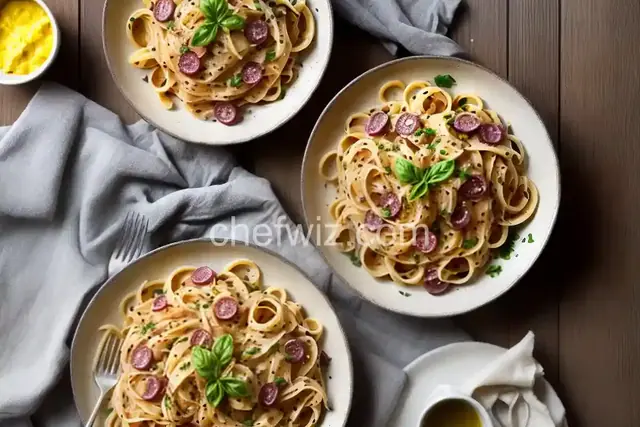
Divide the pasta among plates and sprinkle with additional grated Parmesan.
Are you a fan of creamy, flavorful pasta dishes? If so, then you're in for a treat! Carbonara is a classic Italian dish that combines the richness of eggs, the saltiness of pancetta or bacon, and the creaminess of Parmesan cheese to create a mouthwatering pasta experience. In this article, we'll explore the secrets to making the best carbonara that will leave you craving for more.
Carbonara is a dish that has stood the test of time. Its simplicity, combined with its bold flavors, has made it a favorite among pasta lovers all over the world. Just imagine silky strands of pasta coated in a luscious sauce made from eggs, cheese, and crispy bacon or pancetta. It's a culinary masterpiece that is both comforting and indulgent.
When it comes to carbonara, the quality of the ingredients is crucial. The star of the show is the eggs. Using fresh, organic eggs will give your carbonara a vibrant yellow color and a rich, creamy texture. Alongside the eggs, you'll need pancetta or bacon for that irresistible smoky flavor. Don't forget the Parmesan cheese, which adds a nutty and salty kick to the dish. Lastly, freshly cracked black pepper is essential to balance out the flavors.
The sauce is the heart and soul of carbonara. To make it, whisk together the eggs, grated Parmesan cheese, and a generous amount of black pepper. You want the sauce to be smooth and well combined. Set it aside while you cook the pasta.
Choose a long, thin pasta like spaghetti or linguine for your carbonara. Cook it according to the package instructions until al dente. Remember to generously salt the boiling water to season the pasta. Once cooked, drain the pasta, reserving a small amount of the cooking water.
In a large skillet, cook the pancetta or bacon until crispy. Remove it from the pan, leaving the rendered fat behind. Add the cooked pasta to the skillet and toss it in the rendered fat, allowing the pasta to absorb the flavors. Turn off the heat and pour in the egg mixture. Quickly stir the pasta to coat it evenly. The residual heat will cook the eggs and create a velvety sauce. If the sauce seems too thick, add a splash of the reserved cooking water to loosen it up.
Carbonara is a timeless classic that never fails to impress. The combination of creamy eggs, salty pancetta or bacon, and nutty Parmesan cheese creates a symphony of flavors that will leave you craving for more. So why not give it a try? With a few simple ingredients and a little bit of love, you can create the best carbonara right in your own kitchen.
Absolutely! While pancetta is the traditional choice, regular bacon works just as well. It'll give your carbonara a smoky and savory flavor.
Freshly cracked black pepper adds a wonderful aroma and a subtle heat to the dish. It's highly recommended, but you can use pre-ground black pepper if that's what you have on hand.
While purists might argue against it, you can certainly add vegetables to your carbonara. Peas, mushrooms, and asparagus are popular choices that add color and texture to the dish.
While Parmesan cheese is the traditional choice, you can experiment with other hard cheeses like Pecorino Romano or Grana Padano. Each cheese will bring its own unique flavor profile to the dish.
If you have dietary restrictions or allergies, you can make a delicious eggless carbonara by using a combination of cream, butter, and cheese to create a creamy sauce.
To prevent the eggs from scrambling, ensure that the pasta is off the heat when you add the egg mixture. Also, be sure to stir quickly and continuously to distribute the sauce evenly.
Carbonara is best enjoyed fresh, but if you have leftovers, you can reheat them gently in a skillet over low heat. To prevent the sauce from curdling, add a splash of cream or milk.
Unfortunately, carbonara doesn't freeze well due to the sauce's creamy texture. It's best to enjoy it immediately after cooking.
Yes, you can use whole wheat pasta in your carbonara. Just keep in mind that it will have a slightly different texture and flavor compared to traditional pasta made from durum wheat.
AprilCook, recipe developer and the heart of Chefwiz. More about April