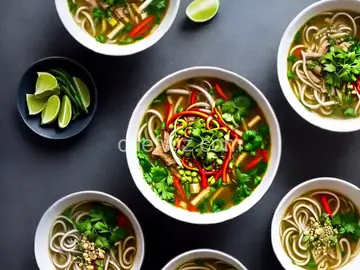
Thai Red Curry with Vegetables
Rate this recipeBe the first to rate
 By AprilPublished
 Are you craving a flavorful and aromatic dish that will transport your taste buds to the vibrant streets of Thailand?
 By AprilPublished
 Are you craving a flavorful and aromatic dish that will transport your taste buds to the vibrant streets of Thailand?
To prepare the rice, start by bringing a large pot of water to a boil. Rinse the rice and add it to the boiling water. Boil for 30 minutes, adjusting the heat as needed to prevent overflow. Once done, remove from heat, drain the rice, and return it to the pot. Cover and let it sit for at least 10 minutes before serving. Just before serving, season the rice with salt and fluff it using a fork.
For the curry, heat a large skillet with deep sides over medium heat. Once hot, add the oil. Add the onion and a pinch of salt, and cook until the onion becomes soft and translucent (around 5 minutes). Stir in the ginger and garlic, and cook for about 30 seconds until fragrant.
Next, add the bell peppers and carrots to the skillet. Cook until the bell peppers become tender when pierced with a fork (around 3 to 5 minutes), stirring occasionally. Then, add the curry paste and cook for 2 minutes, stirring frequently.
Pour in the coconut milk, water, kale, and sugar. Stir everything together. Bring the mixture to a simmer over medium heat. Adjust the heat to maintain a gentle simmer, and cook until the bell peppers, carrots, and kale have reached your desired level of tenderness (around 5 to 10 minutes), stirring occasionally.
Remove the skillet from heat and season with tamari and rice vinegar. Add salt to taste (approximately ¼ teaspoon
Are you craving a flavorful and aromatic dish that will transport your taste buds to the vibrant streets of Thailand? Look no further than Thai Red Curry with Vegetables! This delicious and versatile dish is a perfect balance of spicy, savory, and creamy flavors that will leave you craving for more. Whether you're a seasoned chef or a novice in the kitchen, this recipe is bound to impress.
Thai red curry is a dish that combines the richness of coconut milk with the boldness of red curry paste and a medley of fresh vegetables. The secret lies in the harmonious blend of flavors and textures that create a symphony of taste in every bite. The creamy coconut milk provides a smooth and luscious base, while the red curry paste adds a fiery kick that will awaken your senses.
Imagine tender chunks of vegetables simmering in a fragrant broth, infused with the tantalizing aroma of lemongrass, ginger, and garlic. The vibrant colors of the vegetables, ranging from crisp bell peppers to crunchy snow peas, add a visual appeal that makes this dish as delightful to the eyes as it is to the palate.
One of the best things about Thai Red Curry with Vegetables is its versatility. You can customize the dish to suit your taste preferences and dietary needs. Whether you're a vegetarian, vegan, or a meat lover, this dish can easily accommodate your requirements.
To make this dish, start by sautéing your choice of vegetables in a wok or a large skillet. You can use a colorful assortment of bell peppers, broccoli, carrots, zucchini, and any other vegetables that tickle your fancy. Once the vegetables are tender and slightly caramelized, it's time to add the star of the show - the red curry paste.
The red curry paste is the heart and soul of this dish. It's a combination of red chili peppers, lemongrass, ginger, garlic, and a blend of fragrant spices. The paste infuses the dish with its distinctive flavor and gives it the signature vibrant red hue. Add a dollop of the paste to the sautéed vegetables and let the flavors meld together.
Next, pour in a generous amount of creamy coconut milk. The coconut milk not only adds a luxurious creaminess to the dish but also helps balance out the spiciness of the curry paste. Let the curry simmer gently, allowing the flavors to develop and intensify.
Thai Red Curry with Vegetables is incredibly versatile when it comes to serving options. You can enjoy it with steamed jasmine rice for a hearty and satisfying meal. The fluffy rice acts as the perfect canvas to soak up the flavorful curry sauce.
If you're looking to cut back on carbs, you can serve the curry with cauliflower rice or quinoa. These lighter alternatives still provide a satisfying base for the curry while adding an extra dimension of texture and taste.
For those who prefer a noodle-based dish, try serving the curry with rice noodles or udon noodles. The noodles absorb the curry sauce, resulting in a mouthwatering combination of flavors with every bite.
Thai Red Curry with Vegetables is a culinary masterpiece that brings together the exotic flavors of Thailand. Whether you're a spice lover or prefer a milder taste, this dish can be customized to suit your palate. With its vibrant colors, fragrant aromas, and creamy texture, it's no wonder Thai Red Curry has become a favorite dish for many food enthusiasts.
So why not embark on a culinary adventure and treat yourself to a bowl of Thai Red Curry with Vegetables? Your taste buds will thank you!
Absolutely! Thai Red Curry is incredibly versatile and can be made with various proteins such as chicken, shrimp, or tofu. Simply add your choice of protein along with the vegetables and let it cook until fully cooked through.
The level of spiciness can be adjusted according to your preference. If you prefer a milder curry, you can reduce the amount of red curry paste or remove the seeds from the chili peppers. Alternatively, if you love a fiery kick, feel free to add extra chili peppers or a sprinkle of red pepper flakes.
Absolutely! Thai Red Curry freezes well and can be stored in an airtight container for up to three months. When you're ready to enjoy it, simply thaw it overnight in the refrigerator and reheat it on the stovetop or in the microwave.
Definitely! Thai Red Curry is a versatile dish that can accommodate a wide variety of vegetables. Feel free to experiment with your favorite vegetables or use whatever you have on hand. From mushrooms to snap peas, the choice is yours!
Steamed jasmine rice is a classic and popular choice to serve with Thai Red Curry. The fragrant and slightly sticky texture of jasmine rice pairs perfectly with the creamy and flavorful curry sauce. However, feel free to use basmati rice or any other variety that you prefer.
While coconut milk adds a rich and creamy element to the dish, you can make a lighter version of Thai Red Curry by substituting it with vegetable broth or almond milk. Keep in mind that the flavor and texture will be slightly different, but it can still be delicious in its own way.
Thai Red Curry is naturally gluten-free as long as the ingredients used, such as the curry paste and soy sauce, are gluten-free. However, it's always a good idea to double-check the labels to ensure they are free from any gluten-containing ingredients.
Absolutely! Thai Red Curry actually tastes even better the next day as the flavors have had time to develop and intensify. You can make a big batch and store it in the refrigerator for up to three days. The flavors will continue to meld together, resulting in a more delicious curry.
AprilCook, recipe developer and the heart of Chefwiz. More about April