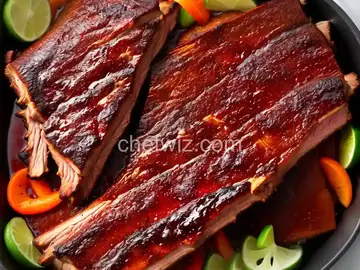
Texas Sauce
Rate this recipeBe the first to rate
 By AprilPublished
 Have you ever wondered what makes Texas barbecue so special? It's all in the sauce!
 By AprilPublished
 Have you ever wondered what makes Texas barbecue so special? It's all in the sauce!
Simmer the onions and garlic sauce together for a duration of one hour.
Incorporate the remaining ingredients into the mixture.
Allow the mixture to cool down, and then add breadcrumbs gradually until reaching the desired texture.
Have you ever wondered what makes Texas barbecue so special? It's all in the sauce! Texas sauce is known for its bold flavors and smoky undertones, adding a delicious punch to any grilled or smoked meat. In this article, we'll explore the wonders of Texas sauce, its unique characteristics, and how it elevates your barbecue experience to a whole new level.
When it comes to barbecue, Texans take their sauce seriously. Texas sauce is a perfect balance of tanginess, sweetness, and spiciness. It's a concoction of tomatoes, vinegar, brown sugar, and an array of spices that vary from region to region. The result is a rich, thick sauce that clings to the meat, enhancing its flavor and creating a mouth-watering experience.
One of the defining characteristics of Texas sauce is the ongoing tomato debate. Some regions prefer a sauce heavy on tomatoes, using tomato paste or ketchup as a base. This creates a sweeter and tangier sauce that complements the smoky flavors of the meat. Other regions, however, opt for a sauce with minimal tomatoes, relying more on vinegar and spices. This results in a thinner and more tangy sauce that allows the meat to shine through.
Whether you prefer a tomato-forward or vinegar-based sauce, the key is finding the perfect balance that suits your taste buds. Texas sauce is all about customization. You can adjust the levels of sweetness, tanginess, and spiciness to create a sauce that is uniquely yours. Experiment with different spices, such as cayenne pepper or paprika, to add an extra kick to your sauce. Remember, the beauty of Texas sauce lies in its versatility.
Now that we've explored the essence of Texas sauce, let's talk about the art of smoking and grilling. The smoky flavors that infuse into the meat are what make Texas barbecue truly exceptional. It's a labor of love that requires time, patience, and the right tools.
The secret to tender and flavorful barbecue lies in the low and slow cooking method. Whether you're smoking brisket, ribs, or chicken, the key is to cook the meat at a low temperature for an extended period. This allows the flavors to develop and the meat to become tender and juicy. As the meat slow-cooks, it absorbs the smoky essence, creating a mouthwatering taste that is hard to resist.
The type of wood you use for smoking plays a crucial role in the overall flavor profile of your barbecue. Mesquite, oak, and hickory are popular choices in Texas, each imparting a unique smokiness to the meat. Mesquite adds a strong and bold flavor, oak provides a medium smokiness, and hickory offers a subtle and sweet aroma. Experiment with different woods to find your favorite combination.
Now that you've mastered the art of Texas sauce and smoking, it's time to talk about the perfect pairing. Texas sauce complements a wide range of meats, from brisket and ribs to pulled pork and chicken. The flavors of the sauce enhance the natural taste of the meat, creating a harmonious and mouthwatering combination.
Imagine sinking your teeth into a juicy, smoky brisket slathered in tangy Texas sauce. The flavors dance on your palate, leaving you craving for more. It's a sensory experience that ignites your taste buds and transports you to the heart of Texas.
Texas sauce is the secret ingredient that elevates your barbecue experience. Its bold flavors, smoky undertones, and versatility make it a must-have for any grilling or smoking enthusiast. So fire up your grill, slather on some Texas sauce, and get ready to indulge in a barbecue feast like no other.
Definitely! While Texas sauce is traditionally used for barbecue, it can also be used as a dipping sauce for fries, a marinade for grilled chicken, or even as a condiment for burgers. Get creative and explore the versatility of Texas sauce.
Store your Texas sauce in an airtight container in the refrigerator. It can last for several weeks if properly stored. Just give it a good stir before using it again.
Absolutely! If you enjoy a bit of heat, add some cayenne pepper or chili powder to your Texas sauce. Adjust the spiciness according to your preference.
Most Texas sauce recipes are gluten-free, but it's always a good idea to check the ingredients to be sure. If you have any dietary restrictions, you can easily find or create a gluten-free version of Texas sauce.
While Texas sauce pairs well with a variety of meats, brisket is a classic choice. The smoky flavors of the meat and the tanginess of the sauce create a match made in barbecue heaven.
Absolutely! You can substitute ingredients like Worcestershire sauce or honey with vegan alternatives to create a delicious vegan version of Texas sauce.
Yes, Texas sauce works wonderfully as a basting sauce. Brush it onto your meat during the cooking process to add an extra layer of flavor and moisture.
Yes, you can freeze Texas sauce for future use. Just make sure to store it in a freezer-safe container and thaw it in the refrigerator before using.
AprilCook, recipe developer and the heart of Chefwiz. More about April