Texas Pork Ribs
Rate this recipeBe the first to rate
 By AprilPublished
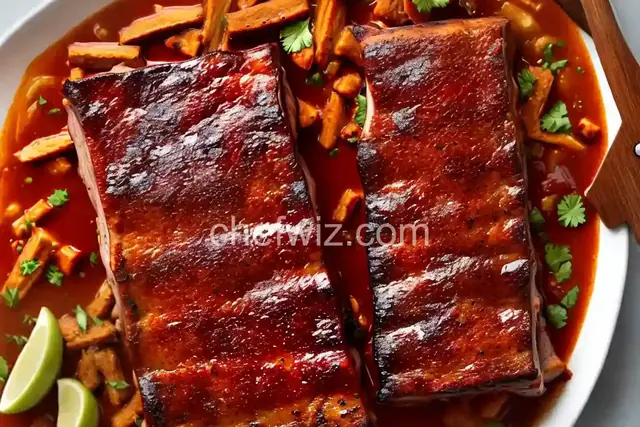
Imagine sinking your teeth into succulent, fall-off-the-bone pork ribs.
 By AprilPublished
Imagine sinking your teeth into succulent, fall-off-the-bone pork ribs.
Begin by cleaning the ribs and removing any excess fat.
In a medium bowl, combine the sugar, 1/4 cup salt, black pepper, paprika, 1 teaspoon cayenne pepper, and garlic powder to make a spice mix.
Generously coat the ribs with the spice mix.
Place the ribs in two 10x15 inch roasting pans, with two racks of ribs per pan.
Cover the pans and refrigerate for at least 8 hours.
Preheat the oven to 275 degrees F (135 degrees C).
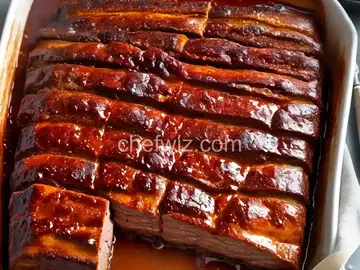
Bake the ribs uncovered for 3 to 4 hours, until they are tender and almost falling apart.
In a skillet over medium heat, take out 5 tablespoons of drippings from the bottom of the roasting pans.
Cook the onion in the pan drippings until it is lightly browned and tender.
Stir in ketchup and cook for an additional 3 to 4 minutes, stirring constantly.
Add water and brown sugar to the skillet, and season with cayenne pepper, salt, and pepper according to taste.
Reduce the heat to low, cover the skillet, and simmer for 1 hour. Add water as needed to achieve the desired thickness of the sauce.
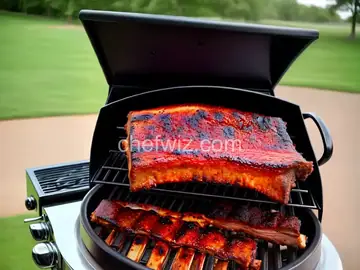
Preheat the grill to medium-low heat.
When ready to grill, add soaked wood chips to the coals or smoker box
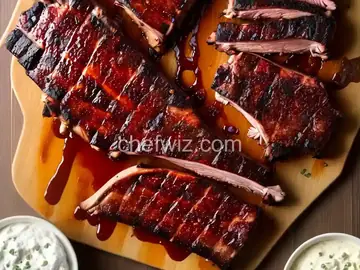
Imagine sinking your teeth into succulent, fall-off-the-bone pork ribs. The smoky aroma wafts through the air as you savor the tender meat, coated in a mouthwatering barbecue sauce. If your taste buds are tingling at the thought, then you're in for a treat with Texas Pork Ribs.
When it comes to barbecue, Texas knows how to do it right. From brisket to ribs, Texans have mastered the art of slow-cooked, flavorful meat. But what makes Texas Pork Ribs stand out from the rest? Let's dive into the world of Texas-style barbecue and discover what makes these ribs so irresistible.
One of the secrets to Texas Pork Ribs lies in the rub. A blend of spices, such as paprika, brown sugar, garlic powder, and cayenne pepper, is generously applied to the meat before it hits the smoker. This dry rub forms a flavorful crust on the ribs, enhancing the taste and creating a beautiful bark.
But the magic doesn't stop there. The true essence of Texas Pork Ribs lies in the slow smoking process. Low and slow is the mantra of Texas barbecue, and it's no different for these ribs. They are smoked for hours over a combination of hickory and oak wood, allowing the flavors to penetrate the meat and create that signature smoky taste.
There's an art to cooking Texas Pork Ribs, and it starts with choosing the right meat. St. Louis-style spare ribs are often the preferred choice due to their meaty texture and perfect amount of fat. These ribs are known for their tenderness and ability to soak up the flavors during the smoking process.
Once the ribs are seasoned and ready to be smoked, maintaining a consistent temperature is crucial. The ideal temperature range for smoking pork ribs is between 225°F and 250°F. This low and slow method ensures the meat becomes tender while allowing the flavors to develop.
Throughout the cooking process, basting the ribs with a tangy barbecue sauce is a popular technique among pitmasters. This adds an extra layer of flavor and helps to keep the meat moist. However, in true Texas style, the sauce is served on the side, allowing the ribs to shine on their own.
When it comes to serving Texas Pork Ribs, it's all about the sides. Traditional accompaniments like coleslaw, cornbread, and baked beans complement the smoky flavors and add a touch of Southern charm to the meal. These sides provide a balance of textures and flavors, creating a harmonious feast for your taste buds.
For a refreshing contrast, a tangy vinegar-based cucumber salad or a zesty potato salad can add a burst of acidity to cut through the richness of the ribs. And don't forget the pickles and onions for that extra kick!
Texas Pork Ribs are a barbecue lover's dream. The combination of a flavorful dry rub, slow smoking process, and tender meat creates a tantalizing eating experience. Whether you're a seasoned pitmaster or a backyard enthusiast, these ribs will have you coming back for more.
On average, it takes around 5 to 6 hours to smoke Texas Pork Ribs to perfection. However, cooking times may vary depending on the size and thickness of the ribs.
While a smoker is the traditional method for cooking Texas Pork Ribs, you can use a gas grill with indirect heat as an alternative. Just make sure to use wood chips or chunks to infuse the ribs with a smoky flavor.
Baby back ribs come from the top of the ribcage, closer to the loin, and are smaller and leaner compared to St. Louis-style spare ribs. St. Louis-style spare ribs are cut from the bottom of the ribcage and contain more meat and fat, making them ideal for slow smoking.
Absolutely! If you have any leftovers, you can freeze Texas Pork Ribs for later enjoyment. Just make sure to wrap them tightly in foil or store them in an airtight container to maintain their flavor and prevent freezer burn.
Hickory and oak wood are the preferred choices for smoking Texas Pork Ribs. Hickory adds a rich, smoky flavor, while oak provides a more subtle taste. You can also experiment with fruitwoods like apple or cherry for a unique twist.
Absolutely! While making your own barbecue sauce can add a personal touch, there are plenty of delicious store-bought options available. Just make sure to choose a sauce that complements the flavors of the ribs and enhances their smoky goodness.
Wrapping the ribs in foil, also known as the "Texas crutch," can help speed up the cooking process and create more tender meat. However, many purists prefer to let the ribs cook unwrapped to allow the flavors to develop fully.
Absolutely! The Texas Pork Ribs rub can work wonders on other meats like chicken or beef. Feel free to experiment with different cuts and see how the flavors come alive.
Yes, a pellet smoker can produce fantastic results when cooking Texas Pork Ribs. The controlled temperature and consistent smoke make it a convenient option for achieving that perfect smoky flavor.
AprilCook, recipe developer and the heart of Chefwiz. More about April