Texas BBQ Beef Ribs
Rate this recipeBe the first to rate
 By AprilPublished
Have you ever sunk your teeth into a perfectly smoked Texas BBQ beef rib?
 By AprilPublished
Have you ever sunk your teeth into a perfectly smoked Texas BBQ beef rib?
Add wood chips to the pellet grill hopper as instructed by the manufacturer and set the temperature to 275 degrees F (135 degrees C).
Use a sharp knife to trim the ribs, removing as much fat and silver skin from the top. Leave the membrane on the bottom of each rack.
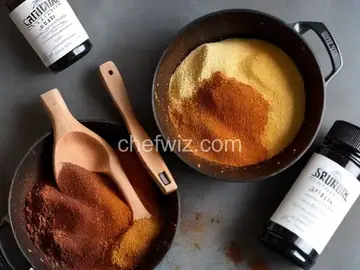
Put the steak seasoning in a coffee grinder or food chopper and grind it to a medium coarseness. Transfer the mixture to a shaker bottle and combine it with chili powder and garlic powder.
Apply 1/2 of the Worcestershire sauce to the bottom of the ribs as a binder. Sprinkle a medium to heavy coat of the rub mixture on both sides of the ribs. Spray a light coat of apple juice over the top.
Place the ribs on the preheated pellet grill with the thicker side facing the main heat source (towards the back, opposite the lid).
Smoke the ribs, spraying them with apple juice every 30 minutes to keep them moist. Cook until the internal temperature reaches 198 to 203 degrees F (92 to 95 degrees C), which should take around 4 to 6 hours. If it's taking longer, raise the heat to 325 degrees F (165 degrees C) but monitor the internal temperature closely.
Once done, remove the ribs from the grill and place them on a large cutting board. Slice into individual ribs to serve or remove the meat and place it on a
Have you ever sunk your teeth into a perfectly smoked Texas BBQ beef rib? The tender meat, infused with smoky flavor and a mouthwatering bark, is a culinary experience like no other. In this article, we will explore the art of Texas BBQ beef ribs, from the smoking process to the secrets of achieving that irresistible tenderness. So grab your apron, fire up your smoker, and let's dive into the world of Texas BBQ beef ribs!
When it comes to BBQ, Texas is a state that knows its stuff. Texas BBQ is all about slow cooking, low heat, and big flavors. It's a celebration of meat, smoke, and craftsmanship. And at the heart of this BBQ culture are the beef ribs.
Beef ribs are larger and meatier than pork ribs, offering a rich and robust flavor. They are typically cooked "low and slow" over indirect heat, allowing the meat to become tender and juicy while developing a beautiful smoky crust.
When selecting beef ribs for your Texas BBQ, look for meaty, well-marbled cuts. Beef short ribs are commonly used, as they have a perfect balance of meat and fat. The fat helps keep the meat moist during the long cooking process, resulting in a melt-in-your-mouth texture.
Before the smoking process begins, it's essential to prepare the ribs properly. Start by removing the membrane from the bone side of the ribs, as this can prevent the flavors from penetrating the meat. Season the ribs generously with a dry rub of your choice, ensuring every inch is coated for maximum flavor.
Now that your ribs are prepared, it's time to fire up the smoker. Whether you're using a charcoal, electric, or wood smoker, the key is to maintain a consistent low temperature, around 225-250°F (107-121°C). This slow cooking process allows the collagen in the meat to break down, resulting in that signature tenderness.
Place your seasoned beef ribs on the smoker grates, bone side down, and let the magic happen. The smoking time can vary depending on the size of the ribs, but expect it to take around 4-6 hours. During this time, baste the ribs occasionally with a flavorful mop sauce to keep them moist and enhance the smoky flavor.
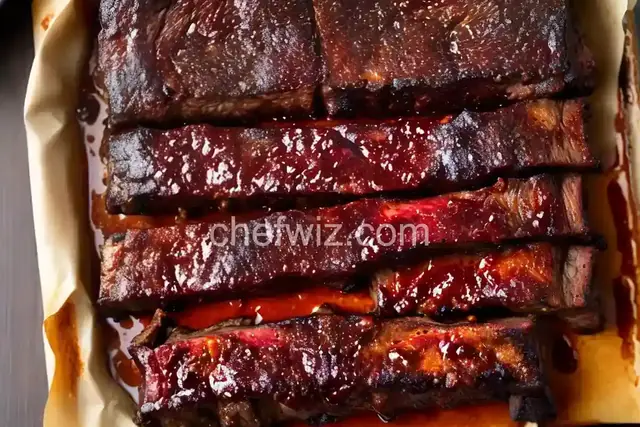
One of the most desirable aspects of Texas BBQ beef ribs is the bark. The bark is a caramelized crust that forms on the meat's surface during the smoking process. It's a result of the dry rub and the slow cooking, creating a mouthwatering combination of flavors and textures.
To achieve a perfect bark, resist the temptation to open the smoker too often. Each time you open the lid, you let out heat and smoke, which can hinder the bark formation. Trust the process and let the smoke work its magic.
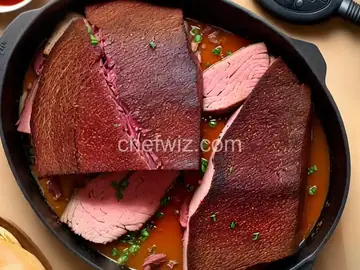
Once your beef ribs have reached an internal temperature of around 203°F (95°C), it's time to take them off the smoker. But don't rush to slice into them just yet! Allow the ribs to rest for at least 15-20 minutes, allowing the juices to redistribute and the meat to become even more tender.
When it's time to serve, slice the beef ribs between the bones, revealing the succulent meat within. Serve alongside traditional Texas BBQ sides like coleslaw, potato salad, and pickles. And don't forget the barbecue sauce for that extra flavor kick!
Now that you're armed with the knowledge of Texas BBQ beef ribs, it's time to get smoking. Master the art of low and slow, and you'll be rewarded with tender, smoky, and utterly delicious beef ribs. So fire up that smoker, gather your friends and family, and enjoy the mouthwatering flavors of Texas BBQ!
Texas BBQ beef ribs are a true delicacy, showcasing the artistry and passion that goes into creating mouthwatering barbecue. From selecting the right cut to mastering the smoking process, every step is essential in achieving tender, flavorful beef ribs. So gather your loved ones, fire up the smoker, and indulge in the irresistible flavors of Texas BBQ beef ribs.
While a gas grill can work, it's not ideal for achieving the authentic Texas BBQ experience. A smoker provides the low and slow cooking environment necessary for tender and flavorful beef ribs.
Hickory and oak are popular choices for smoking beef ribs in Texas. They impart a rich and smoky flavor that complements the meat perfectly.
Unlike other cuts of meat, beef ribs don't require a long marinating time. The dry rub applied just before smoking is enough to infuse the meat with flavor.
While beef ribs are traditional for Texas BBQ, you can experiment with other cuts like pork ribs or brisket. Each meat will have its unique flavor profile and cooking requirements.
Use a meat thermometer to check the internal temperature of the meat. When it reaches around 203°F (95°C), the ribs are ready to be taken off the smoker.
While the oven can produce tender ribs, it won't give you the same smoky flavor that comes from a smoker. If you don't have access to a smoker, consider using liquid smoke for a hint of smokiness.
There is no one-size-fits-all answer to this question. Texas BBQ is often enjoyed without sauce, allowing the meat's natural flavors to shine. However, if you prefer sauce, look for a tangy and slightly sweet variety that complements the richness of the beef.
Absolutely! If you have any leftover beef ribs, allow them to cool, then store them in an airtight container or freezer bag. They can be frozen for up to three months. Thaw them in the refrigerator before reheating.
AprilCook, recipe developer and the heart of Chefwiz. More about April