Tamales
Rate this recipeBe the first to rate
 By AprilPublished
 When it comes to traditional Mexican cuisine, few dishes can rival the mouthwatering appeal of tamales.
 By AprilPublished
 When it comes to traditional Mexican cuisine, few dishes can rival the mouthwatering appeal of tamales.
Prepare the masa mixture by adding masa harina to a large bowl.
Dissolve salt in hot water and add to the masa harina, mixing well until there are no dry patches.
Set aside the mixture for 20 to 30 minutes.
In a stand mixer with a paddle attachment, beat the shortening and/or lard with baking powder on medium speed until light and fluffy.
Gradually add the prepared masa mixture to the mixer, breaking off golf-ball sized pieces and adding them while the mixer is running.
Once all the masa has been incorporated, reduce the speed and slowly add chicken or vegetable broth until fully incorporated. The batter should have a fluffy cake batter consistency.
Cover the mixing bowl with plastic wrap and refrigerate for at least 1 hour or up to 3 hours.
Return the bowl to the mixer and beat on medium-high speed for about 2 minutes until extra fluffy.
To form the tamales, place a parchment square or corn husk on the countertop.
Take a golf-ball sized portion of dough and spread it into a rectangle shape, leaving some space on the sides and top.
Place a 1 tablespoon strip of filling down the middle of the masa, leaving space on the top and bottom.
Fold the parchment or husk around the tamale, folding the bottom securely but not too tight.
Repeat the process with the
When it comes to traditional Mexican cuisine, few dishes can rival the mouthwatering appeal of tamales. These delectable treats have been enjoyed for centuries, and their popularity shows no signs of waning. But what exactly are tamales, and why are they so beloved? Join us as we embark on a journey to uncover the secrets behind these irresistible bundles of joy.
Tamales have a rich and fascinating history that spans centuries. They were a staple food for the ancient Mayans and Aztecs, and their popularity only grew during the period of Spanish colonization. Today, tamales are a cherished part of Mexican culture and are enjoyed during special occasions, holidays, and family gatherings.
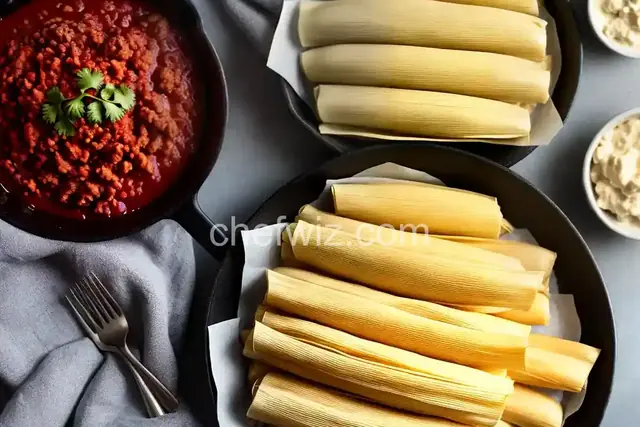
One of the most captivating aspects of tamales is the way they are prepared. Imagine unwrapping a present to reveal a delicious surprise inside. Tamales are made by spreading a flavorful masa dough onto a corn husk, which is then filled with a tantalizing mixture of meats, cheeses, or vegetables. The husk is carefully folded and steamed to perfection, resulting in a mouthwatering blend of flavors and textures.
Making tamales is no easy task. It requires patience, skill, and a true labor of love. From preparing the masa to assembling the tamales and steaming them to perfection, each step is carried out with meticulous care. But the effort is well worth it, as the end result is a culinary masterpiece that brings joy to all who partake.
One of the reasons tamales have such enduring appeal is their versatility. They can be filled with an array of delicious ingredients, allowing for endless flavor combinations. From savory fillings like shredded chicken or pork to vegetarian options featuring roasted vegetables and cheeses, there is a tamale to suit every palate.
As you take your first bite of a steaming hot tamale, your taste buds are instantly awakened. The rich flavors of the filling meld with the tender masa, creating a symphony of taste. The aroma tantalizes your nose, while the vibrant colors of the corn husk and the toppings delight your eyes. Truly, tamales are a feast for all the senses.
Tamales are not just a delicious dish; they are a symbol of tradition, family, and community. The process of making tamales often involves multiple generations coming together, passing down recipes and techniques from one to another. Sharing a plate of tamales is a way to connect with our roots, honor our heritage, and create lasting memories.
Tamales are more than just a dish; they are a culinary experience that brings people together. From their fascinating history to the tantalizing flavors and the cherished tradition they represent, tamales have captivated the hearts and taste buds of people around the world. So next time you have the opportunity to enjoy a plate of tamales, savor each bite and appreciate the love and craftsmanship that goes into creating these delightful bundles of joy.
Yes! Traditional tamales are made with masa, which is a type of corn flour, making them naturally gluten-free.
Absolutely! Tamales freeze well and can be reheated later for a quick and tasty meal.
Popular tamale fillings include shredded chicken, pork, beef, cheese, beans, and vegetables.
The process of making tamales can vary, but it generally takes a few hours from start to finish.
While corn husks are traditionally used to wrap tamales, you can also use banana leaves or parchment paper as alternatives.
The level of spiciness in tamales can vary depending on the filling and the cook's preference. Some tamales are mild, while others pack a fiery punch.
Absolutely! Sweet tamales can be made by adding sugar, cinnamon, fruit, or chocolate to the masa dough.
While tamales are often enjoyed during holidays and special events, they can be savored any time you crave a delicious and comforting meal.
Many Mexican restaurants and food stands serve authentic tamales. You can also try making them at home using traditional recipes.
AprilCook, recipe developer and the heart of Chefwiz. More about April