Taiwanese Dumplings
Rate this recipeBe the first to rate
 By AprilPublished
 Have you ever tasted a bite-sized explosion of flavor? If not, then you must try Taiwanese dumplings.
 By AprilPublished
 Have you ever tasted a bite-sized explosion of flavor? If not, then you must try Taiwanese dumplings.
Place cabbage and cilantro on a clean dish towel. Wrap the towel around them and squeeze out as much moisture as possible.
Transfer the cabbage and cilantro to a large bowl. Add pork, jalapeño peppers, egg whites, ginger, and sesame oil. Mix everything together using your hands. Season with salt and pepper.
Line 2 baking sheets with waxed paper. Fill a small bowl with water.
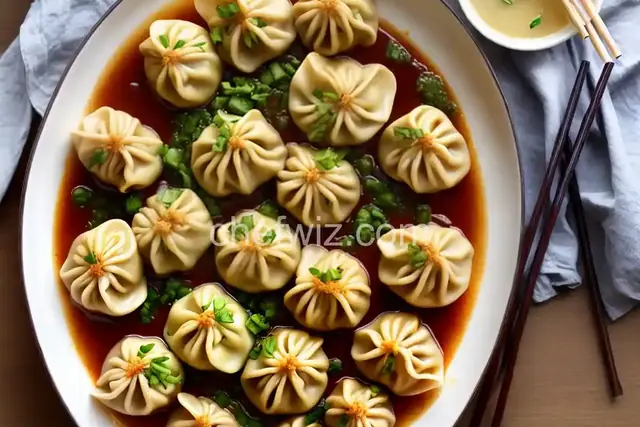
Hold a potsticker wrapper in your hand. Spoon a tablespoon of the pork mixture into the center of the wrapper. Dip your finger in water and moisten the edges of the wrapper. Fold the edges up and pinch them together to seal. Place the dumpling on the prepared baking sheet. Repeat this process with the remaining wrappers and pork mixture.
Put the dumplings in the freezer until they become firm, which should take about 2 hours. Then, transfer them to large resealable plastic bags and store them in the freezer.
If you prefer, you can use 2 leeks instead of napa cabbage. Alternatively, you can use 1 head of napa cabbage, 1 head of bok choy, and 1 bunch of scallions for a different flavor combination.
If any of the dumplings did not seal completely or have broken skin, do not freeze them as they may fall apart later. Cook those dumplings for dinner tonight instead.
When ready to cook
Have you ever tasted a bite-sized explosion of flavor? If not, then you must try Taiwanese dumplings. These delectable treats are a staple in Taiwanese cuisine, loved by locals and tourists alike. From their delicate, translucent skins to the mouthwatering fillings, Taiwanese dumplings offer a sensory experience like no other. In this article, we will dive into the world of Taiwanese dumplings, exploring their history, variety of fillings, and the best places to enjoy them.
Like many culinary delights, the history of Taiwanese dumplings is intertwined with the culture and traditions of Taiwan. Originally introduced by Chinese immigrants, dumplings quickly became a popular street food in Taiwan. Over time, Taiwanese chefs added their own unique twist to the traditional recipe, resulting in the creation of a distinctive style of dumplings that are now synonymous with Taiwanese cuisine.
One of the most exciting aspects of Taiwanese dumplings is the variety of fillings available. From classic pork and cabbage to innovative combinations like shrimp and water chestnut, there is a dumpling to suit every palate. The fillings are often seasoned with a combination of soy sauce, garlic, and other aromatic spices, creating a burst of flavors with each bite.
When it comes to indulging in Taiwanese dumplings, there are a few places that stand out. Taipei, the capital city of Taiwan, is a food lover's paradise. Here, you can find countless street vendors and small restaurants serving up mouthwatering dumplings. One popular spot is Din Tai Fung, a renowned dumpling chain that has gained international acclaim for its exquisite dumplings. Their delicate skins and flavorful fillings have made them a favorite among locals and tourists alike.
No, Taiwanese dumplings have their own unique characteristics and flavors that set them apart from Chinese dumplings. While they share a common origin, Taiwanese dumplings have been influenced by local ingredients and cooking techniques, resulting in a distinct taste.
Absolutely! Making Taiwanese dumplings at home can be a fun and rewarding experience. You can find dumpling wrappers and a variety of fillings at Asian grocery stores. There are also many online tutorials and recipes available to guide you through the process.
The most popular dipping sauce for Taiwanese dumplings is a combination of soy sauce, vinegar, and chili oil. This sauce adds a tangy and spicy kick to the dumplings, enhancing their flavors.
Most traditional Taiwanese dumpling wrappers are made from wheat flour, which contains gluten. However, nowadays, there are gluten-free options available, made from alternative flours like rice or tapioca.
Yes, you can steam Taiwanese dumplings for a healthier alternative. Steaming helps retain the flavors and textures of the dumplings while reducing the need for oil in the cooking process.
Absolutely! Vegetarian dumplings are a popular choice in Taiwan. Instead of meat, these dumplings are filled with a combination of vegetables, mushrooms, and tofu. They are just as delicious as their meat-filled counterparts.
Taiwanese dumplings are typically enjoyed by dipping them in the sauce and taking small, delicate bites. Be careful not to burn your mouth, as the fillings can be piping hot!
Yes, Taiwanese dumplings can be frozen for later consumption. Simply arrange the dumplings on a baking sheet, making sure they are not touching, and place them in the freezer until they are firm. Once frozen, transfer them to a sealed container or bag. They can be stored for up to three months.
In conclusion, Taiwanese dumplings are a culinary delight that should not be missed. Their rich flavors, diverse fillings, and cultural significance make them an integral part of Taiwanese cuisine. Whether enjoyed at a bustling night market or in the comfort of your own home, Taiwanese dumplings are sure to satisfy your taste buds and leave you craving for more.
AprilCook, recipe developer and the heart of Chefwiz. More about April