Tabouli
Rate this recipeBe the first to rate
 By AprilPublished
 When it comes to Middle Eastern cuisine, there are few dishes as refreshing and nutritious as tabouli.
 By AprilPublished
 When it comes to Middle Eastern cuisine, there are few dishes as refreshing and nutritious as tabouli.
Start by placing cracked wheat in a large mixing bowl.
Pour water over the cracked wheat and cover the bowl.
Allow the wheat to stand for approximately 20 minutes until it becomes tender and absorbs the water.
Add the chopped herbs and vegetables to the wheat mixture.
Toss the ingredients together until well combined.
In a separate bowl, combine oil, lemon juice, and salt.
Pour the oil, lemon juice, and salt mixture over the wheat mixture.
Mix everything together thoroughly.
Place the mixture in the refrigerator to chill.
Once chilled, serve and enjoy the dish.
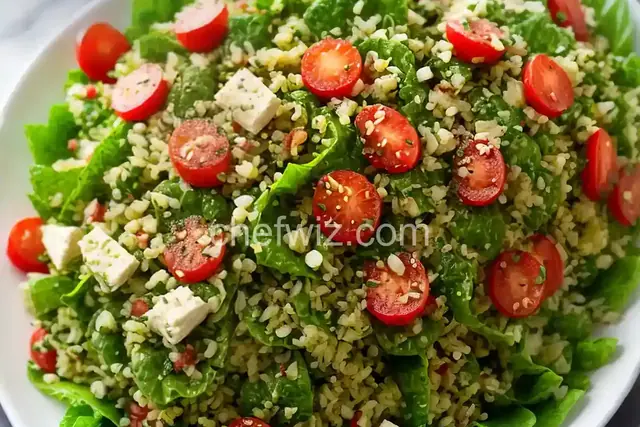
When it comes to Middle Eastern cuisine, there are few dishes as refreshing and nutritious as tabouli. This vibrant salad, also known as tabbouleh, is a vegetarian delight that is packed with flavor and wholesome ingredients. In this article, we will explore the origins of tabouli, its health benefits, and how to make it a part of your regular menu.
Tabouli has its roots in the Levant region, specifically Lebanon and Syria, where it has been a staple for centuries. The word "tabouli" is derived from the Arabic word "tabil," which means "seasoning." Traditionally, tabouli is made using bulgur wheat, tomatoes, cucumbers, parsley, mint, olive oil, and lemon juice. However, variations of the recipe can be found across different countries in the Middle East.
Tabouli is not only a delicious dish but also a nutritional powerhouse. It is rich in vitamins, minerals, and antioxidants. The main ingredient, parsley, is a great source of vitamin K, vitamin C, and iron. It also contains essential oils that provide anti-inflammatory and digestive benefits. Additionally, the fresh vegetables in tabouli, such as tomatoes and cucumbers, add a burst of vitamins and fiber to the dish.
Introducing tabouli into your regular menu is a simple and rewarding step towards a healthier lifestyle. Whether you are a seasoned cook or a beginner in the kitchen, making tabouli is a breeze. Start by soaking bulgur wheat in water until it softens. Then, combine the soaked wheat with finely chopped parsley, tomatoes, cucumbers, mint, olive oil, lemon juice, and a pinch of salt. Mix everything together and let the flavors meld for a few minutes before serving.
While the classic tabouli recipe is a hit on its own, there are numerous variations you can try to add your own twist to this delightful salad. For a protein-packed version, add cooked chickpeas or grilled chicken. If you're looking for a gluten-free alternative, substitute the bulgur wheat with quinoa or couscous. You can also experiment with different herbs and spices, such as cilantro, dill, or sumac, to create unique flavor profiles.
Tabouli is not just a salad; it is a versatile dish that can be enjoyed in various ways. Serve it as a side dish alongside grilled meats or falafel, or stuff it into pita bread for a refreshing and nutritious sandwich. You can even use tabouli as a topping for bruschetta or as a filling for wraps and tacos. The possibilities are endless, and tabouli is sure to impress your family and friends with its vibrant colors and fresh flavors.
In conclusion, tabouli is a delightful Middle Eastern salad that deserves a place on your menu. Its origins, nutritional benefits, and versatility make it a must-try dish. So, why not venture into the world of Middle Eastern cuisine and add a touch of freshness to your meals with this vibrant and nutritious salad?
No, traditional tabouli is not gluten-free as it contains bulgur wheat. However, you can easily make gluten-free tabouli by substituting the bulgur wheat with quinoa or couscous.
Yes, tabouli can be made in advance and stored in the refrigerator for up to two days. However, it is best enjoyed fresh to preserve its vibrant flavors.
Yes, you can customize tabouli to suit your taste preferences. Feel free to omit or reduce any ingredients you don't like or add more of your favorites.
To make tabouli more filling, you can add protein-rich ingredients like cooked chickpeas, grilled chicken, or tofu. These additions will make the salad more satisfying and nutritious.
It is not recommended to freeze tabouli as the fresh vegetables and herbs may lose their texture and flavor. It is best enjoyed when freshly made.
Yes, tabouli is a vegetarian and vegan-friendly dish as it does not contain any animal products. It is a great option for those following a plant-based diet.
While parsley is the traditional herb used in tabouli, you can experiment with other herbs like cilantro or dill to create different flavor profiles.
Yes, tabouli is a low-calorie dish as it mainly consists of fresh vegetables and herbs. However, the calorie content may vary depending on the quantities of olive oil and other ingredients used.
AprilCook, recipe developer and the heart of Chefwiz. More about April