Taboon (Palestinian Flatbread)
Rate this recipeBe the first to rate
 By AprilPublished
 When it comes to Middle Eastern cuisine, one cannot ignore the tantalizing flavors of Palestinian food.
 By AprilPublished
 When it comes to Middle Eastern cuisine, one cannot ignore the tantalizing flavors of Palestinian food.
In a large mixing bowl, combine the bread flour, whole wheat flour, salt, and sugar. Create a well in the center.
Add the oil, yeast, and water to the well. Gradually stir the dry ingredients into the wet ones with your fingers until a soft and sticky ball of dough forms. If the dough feels stiff, add water 1 or 2 tablespoons at a time until it becomes soft and slightly sticky.
Let the dough stand for 5 minutes, then knead it for about 1 minute until it comes together smoothly, even if it's still sticky. Repeat this resting and kneading process once or twice until a very soft and elastic ball of dough forms. The finished dough should still be slightly sticky.
Using well-oiled hands, shape the dough into a smooth ball. Rub olive oil all over the dough and place it back in the bowl. Cover the bowl with a damp tea towel or plastic wrap. Set it aside at room temperature until the dough doubles in size, approximately 90 minutes. This may take longer in cooler months.
Once the dough has risen, gently punch it down to release the air bubbles. With well-floured hands, divide the dough into 8 equal portions and shape each portion into a ball. Place the dough balls on a well-floured baking sheet or work surface. Cover them with plastic wrap and let them grow by roughly 50%, about 30 minutes.
If
When it comes to Middle Eastern cuisine, one cannot ignore the tantalizing flavors of Palestinian food. And among the many mouthwatering dishes, taboon stands out as a true gem. But what exactly is taboon, and why is it worth trying? Let's dive into the world of taboon and discover the secrets behind this delectable Palestinian flatbread.
Taboon is not just a simple bread; it's a symbol of Palestinian culture and heritage. The word "taboon" refers to both the traditional clay oven used to bake the bread and the bread itself. It holds a special place in the hearts of Palestinians, as it has been passed down through generations, preserving the flavors of the past.
Imagine the aroma of freshly baked bread filling the air as the taboon oven crackles with warmth. The process of making taboon involves skill and patience. The dough is carefully prepared using simple ingredients and left to rise, allowing it to develop its distinct flavors. Once ready, it is expertly stretched and shaped before being placed inside the taboon oven.
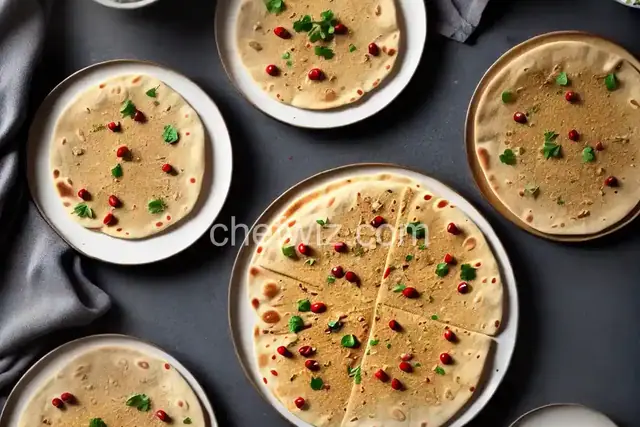
The taboon oven plays a crucial role in creating the unique texture and taste of taboon bread. The oven's high heat cooks the bread quickly, resulting in a thin and crispy exterior with a soft and fluffy interior. This combination of textures sets taboon apart from other flatbreads and makes it an absolute delight to eat.
Moreover, the taboon oven imparts a subtle smoky flavor to the bread, adding an extra layer of complexity to its taste profile. It's this perfect balance of flavors and textures that makes taboon so irresistible.
One of the best things about taboon is its versatility. It can be enjoyed in various ways, making it suitable for all occasions. Whether you prefer it as a standalone bread or as a vessel for other ingredients, taboon always delivers a satisfying experience.
For a quick and simple snack, you can tear off a piece of taboon and dip it in olive oil or hummus. The bread's crispy exterior and soft center provide the perfect canvas for these flavorful accompaniments.
If you're in the mood for something more substantial, taboon can be used as a base for a variety of mouthwatering dishes. Its thin and pliable nature makes it ideal for wrapping around fillings, creating delicious sandwiches or wraps. Imagine biting into a taboon wrap filled with succulent grilled chicken, fresh vegetables, and creamy tahini sauce. It's a flavor explosion in every bite!
Taboon is not just a bread; it's a symbol of Palestinian hospitality and tradition. In Palestinian households, it is often served during special occasions and gatherings, bringing people together around a shared love for good food.
So, the next time you have the opportunity to try taboon, don't hesitate. Let this humble bread transport you to the vibrant streets of Palestine, where the aroma of spices and the warmth of the taboon oven create an unforgettable culinary experience.
Yes, you can! While the traditional taboon oven might be hard to replicate, you can still achieve great results by using a regular oven or stovetop. Look for taboon recipes online and give it a try!
No, taboon is not gluten-free. It is typically made with wheat flour, which contains gluten. However, there are gluten-free alternatives available that can be used to make a similar bread.
Taboon can be found in Middle Eastern restaurants around the world. Look for Palestinian or Lebanese restaurants in your area, and you might be lucky enough to enjoy this delicious bread.
Yes, you can freeze taboon. Wrap it tightly in plastic wrap or place it in an airtight container before freezing. When ready to eat, thaw it at room temperature or reheat it in the oven for a few minutes.
Taboon complements a wide range of Palestinian dishes. Some popular options include musakhan (roasted chicken with sumac and caramelized onions), maqluba (layered rice and vegetable dish), and ful medames (stewed fava beans).
Taboon is best enjoyed fresh on the day it is made. However, if stored properly in an airtight container or plastic bag, it can stay fresh for up to 2-3 days.
While taboon is traditionally used for savory dishes, there's no reason why you can't experiment with sweet fillings. Try spreading Nutella or honey on a piece of taboon for a delightful dessert.
Taboon stands out due to its unique texture and smoky flavor. Unlike thicker flatbreads, taboon is thin and crispy on the outside with a soft and fluffy interior. The use of the taboon oven gives it a distinct smoky taste that sets it apart.
In conclusion, taboon is not just a bread; it's a journey through Palestinian history and culture. Its versatility, distinct flavors, and heartwarming traditions make it a must-try for any food lover. So, step into the world of taboon and savor the taste of Palestine!
AprilCook, recipe developer and the heart of Chefwiz. More about April