Swiss Christmas Bread
Rate this recipeBe the first to rate
 By AprilPublished
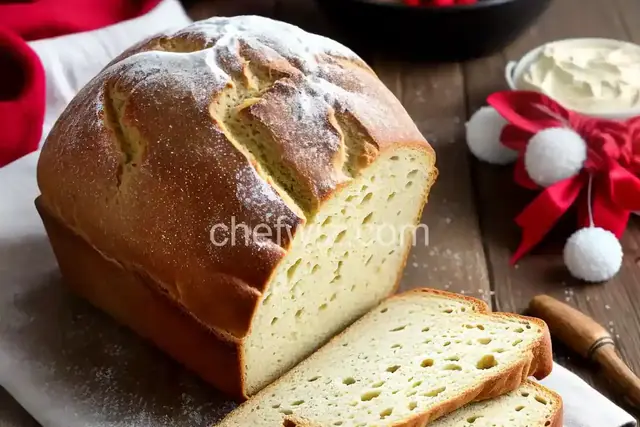
 When it comes to Christmas traditions, nothing quite brings the holiday spirit alive like the aroma of freshly baked Swiss Christmas bread filling the air.
 By AprilPublished
 When it comes to Christmas traditions, nothing quite brings the holiday spirit alive like the aroma of freshly baked Swiss Christmas bread filling the air.
In a saucepan, warm the milk, water, and butter or margarine.
In a large mixing bowl, combine 2 cups of flour, yeast, 1/4 cup of sugar, salt, nutmeg, mace, and cloves. Mix well.
Stir in the warm milk mixture and egg. Blend with an electric mixer on low speed until moistened, then beat on medium speed for 3 minutes.
By hand, stir in the raisins, cherries, citron, nuts, and enough remaining flour to make a firm dough.
Knead the dough on a lightly floured surface for 5 to 8 minutes until smooth and elastic.
Place the dough in a greased bowl, turning it to grease the top. Cover and let it rise in a warm place until doubled in size, which takes about 1 hour.
Punch the dough down and shape it into a round loaf. Place the loaf in a greased 2-quart casserole dish. Cover and let it rise in a warm place until doubled in size, about 1 hour.
Brush the top of the loaf with melted butter and sprinkle lightly with 1 teaspoon of sugar.
Bake at 375 degrees F (190 degrees C) for 40 to 45 minutes, until the loaf is deep golden brown. If the top becomes too dark, loosely cover it with foil for the last 5
When it comes to Christmas traditions, nothing quite brings the holiday spirit alive like the aroma of freshly baked Swiss Christmas bread filling the air. This delectable treat, also known as "Grittibänz" or "Grittibaenz," is a staple in Swiss households during the festive season. Its unique shape and rich flavors make it a delight for both the eyes and the taste buds. So, let's dive into the world of Swiss Christmas bread and discover what makes it so special.
Swiss Christmas bread has a long-standing history that dates back centuries. It is believed to have originated in Switzerland, where it quickly became a beloved symbol of Christmas. The bread is typically shaped into a person, often representing a saint or a biblical figure. This shape not only adds a touch of charm but also carries a deeper meaning of celebrating the spirit of Christmas.
Swiss Christmas bread is not just any ordinary bread. It is a true work of art that requires skill and patience to create. Bakers carefully mold the dough into intricate shapes, giving each loaf its unique personality. The bread is then baked to perfection, resulting in a golden-brown crust and a soft, airy interior. The delightful combination of flavors, including hints of citrus, raisins, and almonds, adds an extra touch of magic to this festive treat.
In Swiss households, baking Swiss Christmas bread is a cherished tradition that brings families together. It is a time when parents and children join forces in the kitchen, kneading dough, shaping it into whimsical figures, and eagerly awaiting the bread to rise and bake. The process of making Swiss Christmas bread is not just about the end result; it is about creating memories and passing down traditions from one generation to the next.
Swiss Christmas bread is best enjoyed fresh out of the oven, when the aroma is at its peak and the bread is still warm. Savor each bite, allowing the flavors to dance on your tongue. You can enjoy it as is or pair it with a warm cup of cocoa or a steaming mug of mulled wine. Some even like to spread a layer of butter or jam on their slice for an extra indulgence.
If you find yourself in Switzerland during the Christmas season, you will have no trouble finding Swiss Christmas bread. It is readily available in bakeries, supermarkets, and even Christmas markets. The smell of freshly baked bread wafting through the air will guide you to this delightful treat. And if you can't make the trip, fear not! Many bakeries around the world now offer their own versions of Swiss Christmas bread, allowing you to partake in this festive tradition no matter where you are.
Swiss Christmas bread is more than just a delicious treat; it is a symbol of tradition and joy. It represents the spirit of Christmas and the importance of coming together as a community. So, this holiday season, why not try your hand at baking Swiss Christmas bread and create your own memories? Let the dough rise, the flavors mingle, and the aroma fill your home, as you embrace the magic and warmth of this delightful festive tradition.
Yes, you can freeze Swiss Christmas bread. Wrap it tightly in plastic wrap or place it in an airtight container before freezing. When you're ready to enjoy it, simply thaw it at room temperature or warm it in the oven for a few minutes.
Absolutely! While raisins are a traditional addition to Swiss Christmas bread, you can omit them if you prefer. Feel free to experiment with other dried fruits or nuts to add your own personal touch to the bread.
Swiss Christmas bread is best enjoyed within a day or two of baking. However, if stored properly in an airtight container, it can stay fresh for up to a week. Just make sure to reheat it slightly before serving to revive its wonderful aroma and texture.
While it is possible to use a bread machine to mix and knead the dough for Swiss Christmas bread, shaping it into intricate figures may be challenging. The process of hand-shaping the dough adds a special touch to the bread and allows you to create unique designs.
Swiss Christmas bread is known by various names, including "Grittibänz," "Grittibaenz," "Grittwas," and "Grittibenz." These names may vary depending on the region in Switzerland.
Yes, you can divide the dough into smaller portions and shape them into individual figures. This is a great option if you want to give Swiss Christmas bread as gifts or if you prefer smaller servings.
Yes, there are vegan and gluten-free versions of Swiss Christmas bread available. These recipes often use alternative flours, such as almond flour or gluten-free flour blends, and substitutes for eggs and dairy. With a little creativity, everyone can enjoy this festive treat.
Swiss Christmas bread dough can be versatile. If you have leftover dough, you can shape it into rolls or small buns and bake them separately. These make for delicious additions to your holiday table or a delightful breakfast treat.
AprilCook, recipe developer and the heart of Chefwiz. More about April