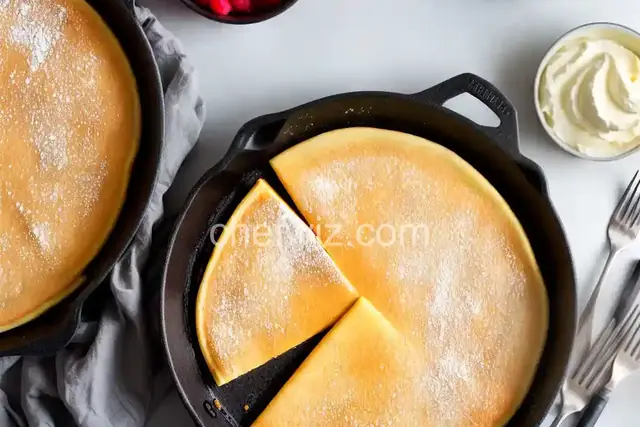
Who doesn't love a delicious plate of fluffy pancakes? If you're tired of the traditional American-style pancakes and want to try something new, then Swedish pancakes are the way to go. These thin and delicate pancakes are a popular dish in Sweden, perfect for breakfast or brunch. In this article, we'll explore the wonders of Swedish pancakes, their history, and some tips on how to make them at home.
A Brief History of Swedish Pancakes
Swedish pancakes, also known as "pannkakor," have been a part of Swedish cuisine for centuries. They date back to the 17th century and have since become a staple in Swedish households. These pancakes are similar to French crepes but have a slightly thicker texture. The traditional way of serving Swedish pancakes is by rolling them up and filling them with sweet or savory fillings such as jam, berries, whipped cream, or even smoked salmon.
What Makes Swedish Pancakes Unique?
Swedish pancakes stand out from their American counterparts due to their thinness and delicate texture. They are made using a simple batter consisting of flour, milk, eggs, and a pinch of salt. The batter is then cooked on a hot griddle or skillet, resulting in thin, lacy pancakes that are incredibly light and tender.
How to Make Swedish Pancakes
Making Swedish pancakes at home is relatively easy and requires minimal ingredients. To start, you'll need a mixing bowl to whisk together the batter. The key is to ensure that the batter is smooth and free of lumps. Once the batter is ready, heat a non-stick skillet or griddle over medium heat and lightly grease it with butter or cooking spray. Pour a small amount of batter onto the skillet and swirl it around to create a thin, evenly spread pancake. Cook the pancake for a minute or two until the edges start to brown, then carefully flip it over and cook for another minute. Repeat the process until you've used up all the batter. Serve the pancakes warm with your favorite toppings and enjoy!
Tips for Perfect Swedish Pancakes
Making perfect Swedish pancakes requires a few tips and tricks to ensure success. Here are some handy tips to help you create delicious pancakes:
1Use a Non-Stick Pan:
A non-stick skillet or griddle is essential for making Swedish pancakes. It prevents the pancakes from sticking and allows for easy flipping.
2. Let the Batter Rest:
Allowing the batter to rest for 15-30 minutes before cooking helps to activate the gluten in the flour, resulting in a smoother batter and lighter pancakes.
3Control the Heat:
Make sure to adjust the heat while cooking the pancakes. Too high of a heat will cause the pancakes to burn, while too low of a heat will make them soggy.
In Conclusion
Swedish pancakes are a delightful alternative to traditional pancakes, with their thin and delicate texture. They are easy to make and can be customized with a variety of fillings and toppings. Whether you're a pancake enthusiast or looking for a new breakfast option, give Swedish pancakes a try. You won't be disappointed!
Frequently asked questions
- Are Swedish pancakes the same as American pancakes?
No, Swedish pancakes are thinner and have a more delicate texture compared to American pancakes.
- Can I make Swedish pancakes gluten-free?
Yes, you can use gluten-free flour as a substitute for all-purpose flour to make gluten-free Swedish pancakes.
- What is the traditional way of serving Swedish pancakes?
Swedish pancakes are traditionally rolled up and filled with sweet or savory fillings such as jam, berries, whipped cream, or smoked salmon.
- Can I freeze Swedish pancakes?
Yes, you can freeze Swedish pancakes. Just make sure to separate them with parchment paper to prevent sticking.
- Can I make Swedish pancakes without eggs?
Yes, you can make Swedish pancakes without eggs by using a vegan egg substitute such as mashed bananas or applesauce.
- How many calories are in Swedish pancakes?
The number of calories in Swedish pancakes depends on the size and ingredients used, but on average, a single Swedish pancake contains around 70-80 calories.
- Can I make Swedish pancakes ahead of time?
Yes, you can make Swedish pancakes ahead of time and reheat them in a toaster or microwave before serving.
- Are Swedish pancakes suitable for vegetarians?
Yes, Swedish pancakes are suitable for vegetarians as they are made with basic vegetarian ingredients such as flour, milk, and eggs.
 By AprilPublished