Swamp Water
Rate this recipeBe the first to rate
 By AprilPublished
 Have you ever come across a murky, green body of water and wondered what secrets lie beneath its surface?
 By AprilPublished
 Have you ever come across a murky, green body of water and wondered what secrets lie beneath its surface?
Start by filling a tall glass with ice.
Next, stir in the lemonade, apricot brandy, and lime vodka.
Have you ever come across a murky, green body of water and wondered what secrets lie beneath its surface? Well, that's what we're here to explore today - the fascinating world of swamp water. Join me as we dive into the depths of these mysterious ecosystems and uncover the wonders they hold.
Swamp water is unlike any other body of water you may encounter. It's a complex mixture of soil, decaying plant matter, and other organic materials that give it its distinctive murky appearance. This combination creates a nutrient-rich environment that supports a wide variety of plant and animal life.
Imagine a swamp as a bustling city, with each organism playing a crucial role in the ecosystem. From the towering cypress trees that provide shelter to the tiny microorganisms that break down organic matter, every creature has its part to play in maintaining the delicate balance of the swamp.
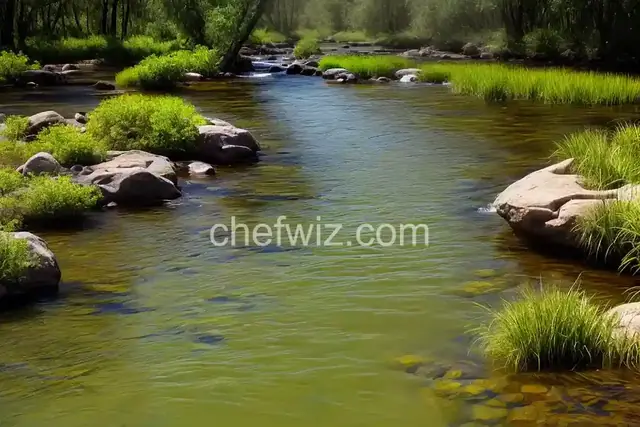
Swamp water's unique color is due to the presence of chlorophyll from algae and other aquatic plants. This gives the water a green tinge, reminiscent of a lush rainforest. But don't let its appearance fool you - swamp water is far from stagnant. It's constantly moving, thanks to the flow of water from nearby rivers and streams.
Just like a river, swamp water is always in motion. It meanders through the dense vegetation, creating channels and pathways that provide habitats for a wide range of animals. It's a bustling highway of life, filled with hidden surprises at every turn.
In a swamp, life and death are intertwined in a never-ending cycle. As plants and animals thrive in the nutrient-rich water, they eventually die and become part of the swamp's ecosystem. The decaying organic matter releases nutrients back into the water, sustaining the next generation of life.
It's a beautiful example of nature's ability to recycle and renew. Just like the phoenix rising from its ashes, the swamp water breathes new life into the old, creating a thriving ecosystem that supports a diverse array of species.
No, swamp water is not safe to drink. It contains a variety of bacteria and other microorganisms that can cause illness if ingested. It's always best to stick to purified or treated water sources for drinking.
Swimming in swamp water is generally not recommended. Apart from the potential health risks, there may also be hidden obstacles and submerged vegetation that can pose a danger to swimmers.
Despite its murky appearance, swamp water plays a vital role in the ecosystem. It supports a diverse range of plant and animal life, acting as a natural habitat for many species. Additionally, swamps help mitigate flooding by absorbing excess water during heavy rains.
Yes, swamps often have a distinct odor. This smell is caused by the decomposition of organic matter in the water, giving rise to a characteristic earthy or "swampy" scent.
No, not all swamps are the same. They can vary in terms of the types of plants and animals they support, as well as their geographical location. Some swamps are freshwater, while others are brackish or even saltwater.
Absolutely! Swamps are known for harboring unique and rare species that are specially adapted to this environment. From elusive birds to rare reptiles, exploring a swamp can be a thrilling experience for nature enthusiasts.
Swamps are delicate ecosystems that need our protection. By supporting conservation efforts, promoting sustainable land use practices, and reducing pollution, we can help preserve these valuable habitats for future generations.
Yes, many swamps have designated areas for visitors to explore and learn about their unique ecosystems. However, it's important to follow any guidelines or regulations in place to ensure the preservation of these fragile environments.
In conclusion, swamp water may appear mysterious and murky, but it's a thriving ecosystem that holds many wonders within its depths. From the vibrant plant life to the diverse range of animal species, swamps are a testament to the beauty and resilience of nature. So, the next time you come across a swamp, take a moment to appreciate the intricate web of life that exists beneath its surface.
AprilCook, recipe developer and the heart of Chefwiz. More about April