Swamp Frog
Rate this recipeBe the first to rate
 By AprilPublished
 Have you ever come across a creature that seems to belong to an entirely different world?
 By AprilPublished
 Have you ever come across a creature that seems to belong to an entirely different world?
Combine citrus soda, lemonade concentrate, limeade concentrate, and alcohol in a large container, preferably a large plastic bucket or cooler.
Mix all the ingredients together until well combined.
Serve the mixture over ice for a refreshing drink.
Have you ever come across a creature that seems to belong to an entirely different world? A creature that thrives in the murky waters of swamps, camouflaging itself among the reeds and lily pads? If so, you might have encountered the fascinating swamp frog. In this article, we will explore the intriguing world of these slimy amphibians, their unique characteristics, and their role in the ecosystem.
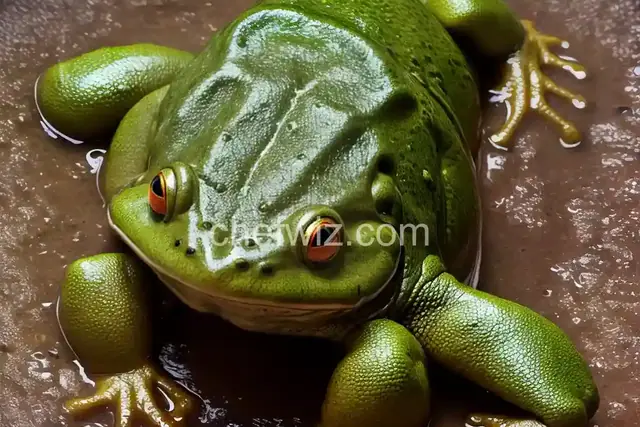
Swamp frogs, unlike their counterparts in other habitats, have evolved incredible adaptations that enable them to survive in the challenging conditions of swamps. Their bodies are specially designed to blend in with the surroundings, boasting a mottled green or brown coloration that helps them stay hidden from predators. Additionally, their webbed feet and powerful hind legs allow them to navigate through the thick vegetation and propel themselves swiftly through the water.
Swamps are known for their murky, nutrient-rich waters, and swamp frogs have learned to take advantage of this environment. They have a unique respiratory system that allows them to breathe both through their lungs and their skin, maximizing their oxygen intake. This adaptation ensures their survival even in oxygen-depleted waters. Moreover, their sticky tongues and keen eyesight make them skilled hunters, feasting on insects, small fish, and even other frogs.
While swamp frogs may not be the most glamorous creatures, they play a crucial role in maintaining the delicate balance of the ecosystem. As predators, they help control the population of insects and other small creatures, preventing outbreaks that could disrupt the natural order. Additionally, they serve as a food source for larger animals, creating a ripple effect throughout the food chain.
Despite their remarkable adaptations and ecological significance, swamp frogs face numerous threats to their survival. Habitat destruction, pollution, and climate change all pose significant challenges. Wetland drainage for agriculture and urban development destroys their natural habitats, leaving them with limited options for survival. It is crucial that we recognize the importance of preserving these unique ecosystems and take steps to protect the swamp frog and its home.
The swamp frog, with its unique adaptations and role in the ecosystem, is truly a remarkable creature. As we continue to explore and appreciate the wonders of the natural world, let us also strive to protect and preserve the habitats that these fascinating creatures call home. By doing so, we ensure that future generations can also marvel at the beauty and diversity of the swamp frog and the enchanting swamps they inhabit.
While swamp frogs are highly adapted to their unique habitat, some species can also survive in other freshwater environments, such as ponds and marshes.
No, swamp frogs are not dangerous to humans. They are generally shy creatures and will only defend themselves if they feel threatened.
Swamp frogs typically reproduce by laying eggs in shallow water. The eggs hatch into tadpoles, which eventually undergo metamorphosis and develop into adult frogs.
Yes, swamp frogs are known for their distinctive croaking calls, which they use to communicate with each other and establish territory.
While not all species of swamp frogs are endangered, many are facing population declines due to habitat loss and pollution. Efforts are being made to protect these vulnerable creatures.
The lifespan of swamp frogs varies depending on the species and environmental conditions. On average, they can live for several years in the wild.
Yes, swamp frogs often hibernate during the colder months when the water temperatures drop. They find shelter in the mud or under logs until spring arrives.
While some people may be tempted to keep swamp frogs as pets, it is essential to remember that they have specific habitat requirements and are best left in their natural environments.
AprilCook, recipe developer and the heart of Chefwiz. More about April