Super-Layered Biscuits
Rate this recipeBe the first to rate
 By AprilPublished
 Have you ever taken a bite of a perfectly flaky biscuit and wondered how it achieved such a heavenly texture?
 By AprilPublished
 Have you ever taken a bite of a perfectly flaky biscuit and wondered how it achieved such a heavenly texture?
In a large bowl, combine flour, baking powder, sugar, salt, and baking soda. Use a whisk to mix them together.
Use a box grater to grate the butter, then add it to the flour mixture. Use your hands to quickly toss the butter with the flour until it is evenly distributed and coated.
Slowly pour buttermilk over the flour mixture, using a fork to incorporate it. Mix until the dough comes together, but be careful not to overmix (some dry bits may remain).
Transfer the dough onto a cutting board or work surface. Pat it into a 1/2-inch-thick rectangle, about 12 inches by 8 inches, using a bench scraper, bowl scraper, or ruler to maintain straight edges.
Cut the dough into 6 even pieces with a sharp knife. Stack the pieces on top of each other, aligning the edges. Gently press any large bits of dough back into place and tuck away any small bits that fall off. This creates the first set of layers.
Lightly dust the work surface and the stack of dough with flour. Use a rolling pin to press the stack down and roll it out back into a 1/2-inch-thick rectangle, making sure the layers stay aligned.
Dust the surface of the dough with flour again. Cut the dough into 6 even pieces and stack them on top of each other to create a second set of
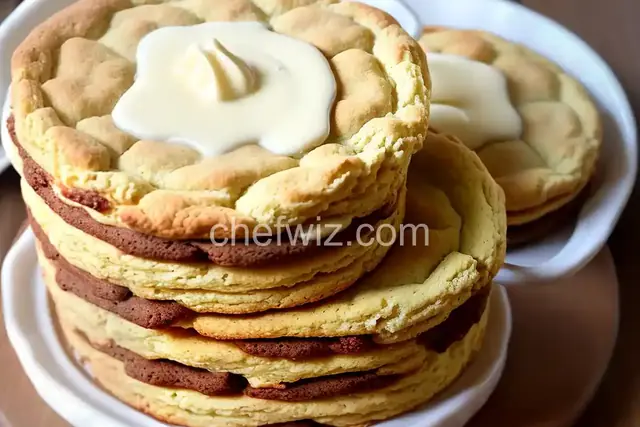
Have you ever taken a bite of a perfectly flaky biscuit and wondered how it achieved such a heavenly texture? The secret lies in the layers. Just like a well-crafted croissant, super-layered biscuits are a culinary masterpiece. In this article, we'll explore the art of making these delectable treats and share some tips and tricks to help you become a biscuit-baking pro.
Before we dive into the techniques, let's understand the science behind those flaky layers. The key lies in the butter. When cold butter is incorporated into the dough, it creates pockets of steam during baking. This steam expands, causing the layers to separate and create that sought-after flakiness.
Imagine biting into a biscuit that crumbles like a cloud, each bite melting in your mouth. That's the magic of super-layered biscuits. But how do you achieve this culinary feat?
One of the most crucial steps in making super-layered biscuits is properly incorporating the butter into the dough. You want to ensure that the butter remains cold and in small, distinct pieces. This can be achieved by grating frozen butter into the dry ingredients or using a pastry cutter to cut cold butter into small pea-sized pieces.
Once the butter is incorporated, it's important not to overmix the dough. Overmixing can lead to tough biscuits, as the gluten in the flour develops and becomes elastic. Mix the dough until it just comes together, and then stop. A few lumps and streaks of flour are perfectly fine; they will disappear during baking.
Now comes the fun part – rolling and folding. This step is what creates those beautiful, buttery layers. Start by gently rolling out the dough into a rectangle, about ½ inch thick. Then, fold the dough like a letter, bringing the bottom third up and the top third down. Turn the dough 90 degrees and repeat this process two more times, chilling the dough for 15 minutes between each fold.
To ensure that your biscuits rise to their full potential, preheat your oven to a high temperature, usually around 425°F (220°C). The high heat will cause the butter to melt quickly, creating steam and expanding the layers. Additionally, place the biscuits close together on the baking sheet. This will encourage them to rise up, rather than spread out.
Another handy tip is to brush the tops of the biscuits with melted butter before baking. This will not only add a delicious golden sheen but also further enhance the flakiness.
While margarine can be substituted, butter is the preferred choice for achieving the ultimate flakiness. The higher fat content in butter contributes to those delicate layers.
Absolutely! You can prepare the dough and refrigerate it overnight. Just make sure to let it come to room temperature before rolling and folding.
Yes, you can freeze both unbaked and baked biscuits. To freeze unbaked biscuits, arrange them on a baking sheet and freeze until solid. Then, transfer to a freezer bag. When ready to bake, simply add a few minutes to the baking time. To freeze baked biscuits, allow them to cool completely, then wrap tightly in plastic wrap or aluminum foil and store in a freezer bag.
Absolutely! Super-layered biscuits can be a wonderful vessel for a variety of fillings. Whether it's cheese, herbs, or even cooked bacon, feel free to experiment and add your favorite savory flavors.
Dense biscuits are often a result of overmixing the dough. Remember to mix until just combined, and avoid overworking the dough.
Yes, you can use a gluten-free flour blend in place of all-purpose flour. However, keep in mind that the texture and flavor may vary slightly.
Absolutely! Simply adjust the baking time accordingly. Mini biscuits will bake faster than their larger counterparts.
Yes, a food processor can be a convenient tool for making biscuit dough. Just be careful not to overmix the dough, as the blades can develop gluten quickly.
To reheat leftover biscuits, preheat your oven to 350°F (175°C). Place the biscuits on a baking sheet and warm them for about 5 minutes, or until heated through. Alternatively, you can slice the biscuits in half and toast them in a toaster oven.
In conclusion, making super-layered biscuits is a delightful journey that combines science, technique, and a whole lot of butter. With a little practice and these tips, you'll soon be enjoying flaky, melt-in-your-mouth biscuits that will leave everyone asking for more.
AprilCook, recipe developer and the heart of Chefwiz. More about April