Sunflower Seed Pesto
Rate this recipeBe the first to rate
 By AprilPublished
 When it comes to pesto, most people think of the traditional version made with pine nuts.
 By AprilPublished
 When it comes to pesto, most people think of the traditional version made with pine nuts.
Start by washing the sunflower seeds and placing them in a small bowl or jar.
Add enough cold water to the bowl or jar so that the seeds are covered by about 1 inch.
Cover the bowl or jar and let the seeds soak overnight at room temperature.
The next day, drain the water from the seeds and give them a quick rinse.
In a blender or food processor, combine the sunflower seeds, garlic, arugula, basil, oil, honey, and lemon zest and juice.
Blend or process the ingredients until you have a smooth mixture.
Add salt to taste and adjust the consistency of the pesto by adding water if it is too thick.
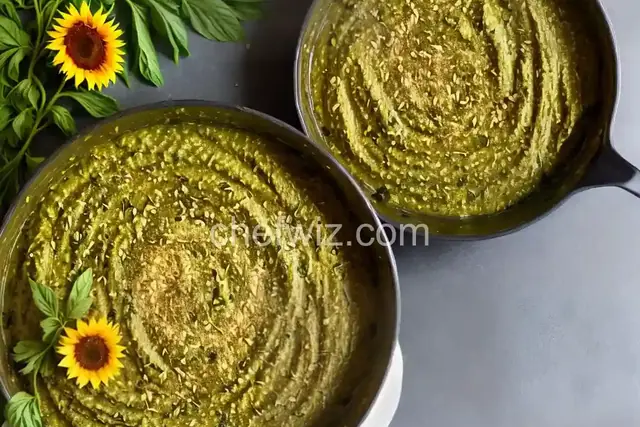
When it comes to pesto, most people think of the traditional version made with pine nuts. But did you know that you can create a delicious and nutritious alternative using sunflower seeds? That's right! Sunflower seed pesto is a flavorful twist on the classic recipe that packs a punch of taste and health benefits. So, let's dive in and explore the wonders of sunflower seed pesto!
Sunflower seeds are not only tasty but also incredibly nutritious. They are rich in healthy fats, protein, and fiber, making them a great addition to any diet. These tiny seeds are also loaded with essential nutrients like vitamin E, magnesium, and selenium, which contribute to overall well-being. Plus, they are a fantastic source of antioxidants that help protect our cells from damage. So, by using sunflower seeds in your pesto, you're not only adding a burst of flavor but also boosting the nutritional value of your meal.
Creating sunflower seed pesto is a breeze! Just like traditional pesto, all you need are a few simple ingredients and a food processor. Start by toasting the sunflower seeds to enhance their nutty flavor. Then, combine them with fresh basil leaves, garlic, Parmesan cheese, and olive oil in the food processor. Blend until you achieve a smooth and creamy consistency. And just like that, your sunflower seed pesto is ready to be enjoyed!
One of the best things about sunflower seed pesto is its versatility. You can use it in countless ways to elevate your dishes. Spread it on sandwiches or wraps for a burst of flavor, or toss it with pasta for a quick and delicious meal. It also makes a fantastic dip for veggies or a flavorful topping for grilled meats and fish. The possibilities are endless!
In addition to its delicious taste, sunflower seed pesto offers a range of health benefits. The sunflower seeds provide heart-healthy fats and plant-based protein, making it an excellent choice for vegetarians and vegans. The basil in the pesto is rich in vitamins A and K, as well as essential minerals like calcium and iron. This combination of nutrients supports a strong immune system, healthy bones, and optimal blood clotting. So, indulging in sunflower seed pesto not only satisfies your taste buds but also nourishes your body.
Absolutely! Sunflower seeds can be replaced with almonds, cashews, or even pumpkin seeds to create a unique twist on the pesto recipe.
Yes, it is! Sunflower seeds are actually seeds and not nuts, so they are generally safe for individuals with nut allergies. However, it's always best to consult with a healthcare professional if you have any concerns.
Sunflower seed pesto can be stored in an airtight container in the refrigerator for up to a week. Just make sure to give it a good stir before using it again.
Absolutely! Sunflower seed pesto freezes well, so you can make a larger batch and store it in individual portions for later use. Just thaw it in the refrigerator overnight before using.
Yes, you can! If you're lactose intolerant or following a vegan diet, simply omit the cheese or use a vegan alternative. The pesto will still be delicious and packed with flavor.
Definitely! While basil is the traditional herb used in pesto, you can experiment with other herbs like cilantro, parsley, or even mint to create unique flavor profiles.
Yes, sunflower seed pesto is naturally gluten-free, making it a great choice for individuals with gluten sensitivities or celiac disease.
Absolutely! Sunflower seed pesto can add a burst of flavor to soups and stews. Just stir it in towards the end of cooking to preserve its vibrant taste.
In conclusion, sunflower seed pesto is a delightful twist on the classic recipe. Not only does it offer a delicious burst of flavor, but it also provides a range of health benefits. Whether you're a fan of traditional pesto or looking to try something new, sunflower seed pesto is a fantastic choice that will leave your taste buds satisfied and your body nourished.
AprilCook, recipe developer and the heart of Chefwiz. More about April