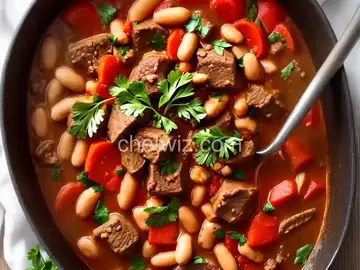
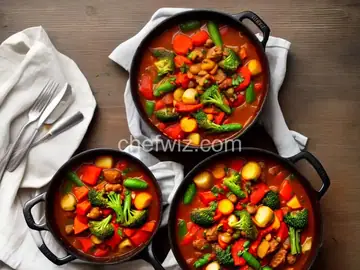
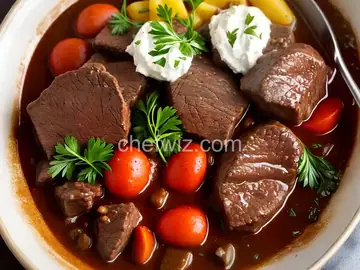
Sumo Stew (
Rate this recipeBe the first to rate
 By AprilPublished
 H1: Sumo Stew: A Hearty Delight for Your Taste Buds H2: What is Sumo Stew?
 By AprilPublished
 H1: Sumo Stew: A Hearty Delight for Your Taste Buds H2: What is Sumo Stew?
Cook the udon noodles in a medium pot of boiling salted water, following the instructions on the package.
Once cooked, drain the udon noodles in a colander, but remember to keep the cooking liquid in the pot.
Transfer the drained udon noodles to a large bowl and toss them with 1 tablespoon of oil.
If you are using eggs, cover the pot and bring the cooking liquid back to a boil. Add the eggs and let them cook at a low boil for about 6 minutes, until they are soft-boiled.
Transfer the cooked eggs to a large bowl of ice water to cool. Once cooled, peel the eggs and set them aside.
In a large pot, heat the remaining 2 tablespoons of oil over medium-high heat. Sauté the mushrooms and 1/4 teaspoon of salt until they are lightly browned and release their moisture, which takes about 5 minutes.
Stir in the garlic and ginger and cook for about 30-60 seconds, until fragrant.
Add the miso to the pot and stir it in. Then pour in the chicken broth.
If you are using kombu, add it to the pot. Also, add the soy sauce and the remaining 1/2 teaspoon of salt.
Cover the pot, bring the mixture to a simmer, and let it cook for 10 minutes.
Add the meat
H1: Sumo Stew: A Hearty Delight for Your Taste Buds
H2: What is Sumo Stew?
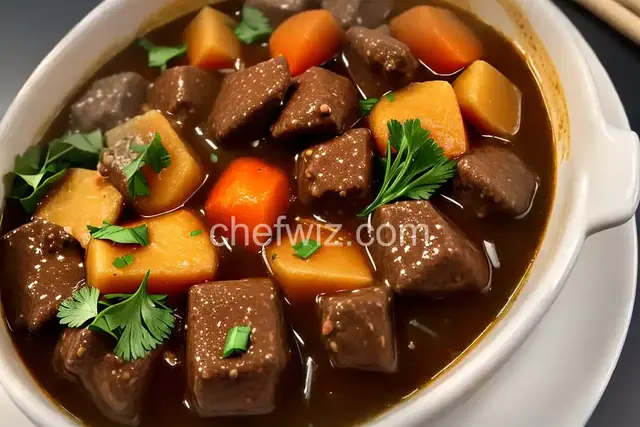
Sumo Stew, also known as Chankonabe, is a traditional Japanese dish that has gained popularity not only among sumo wrestlers but also among food enthusiasts around the world. This savory and hearty stew is a perfect balance of flavors and textures, making it a delightful treat for your taste buds.
H2: The Origins of Sumo Stew
Sumo Stew has its origins in the sumo wrestling culture of Japan. Traditionally, this dish was prepared as a high-protein and nutritious meal for sumo wrestlers to help them gain weight and build muscle. Over time, it has evolved into a beloved dish enjoyed by people of all walks of life.
H2: What Makes Sumo Stew Special?
What sets Sumo Stew apart is not just its flavorful broth but also the variety of ingredients that go into it. From tender meat and vegetables to tofu and noodles, this stew offers a diverse range of textures and flavors in every spoonful. The broth is usually made from a blend of soy sauce, miso, and dashi, creating a rich and umami-packed base.
H2: How to Make Sumo Stew?
Creating a Sumo Stew at home is a delightful culinary adventure. While the exact recipe may vary, the general process involves simmering the ingredients in the flavorful broth until they are cooked to perfection. The key is to layer the flavors by adding ingredients at different stages of cooking, creating a harmonious blend of tastes.
H2: Sumo Stew: A Feast for All Senses
Sumo Stew is not just about the taste; it's also a feast for the eyes and nose. The vibrant colors of the vegetables, the aroma of the simmering broth, and the sizzling sound of the ingredients coming together create a sensory experience that adds to the overall enjoyment of the dish.
H2: Sumo Stew: A Symbol of Unity
In the world of sumo wrestling, Chankonabe is not just a meal; it is a symbol of unity and camaraderie. Sumo wrestlers cook and eat this stew together as a way to foster a sense of community and support among themselves. It represents the values of teamwork and shared strength, making it more than just a dish.
H2: Sumo Stew Variations
While the traditional Sumo Stew is a crowd-pleaser, there are also variations of this dish that cater to different tastes and dietary preferences. Vegetarian and vegan versions substitute meat with tofu or seitan, ensuring that everyone can enjoy the flavors of Sumo Stew.
H2: Sumo Stew: A Heartwarming Winter Dish
Sumo Stew is often enjoyed during the cold winter months, as its warm and comforting nature provides solace on chilly nights. The hearty ingredients and nourishing broth make it a perfect dish to warm your body and soul, bringing a sense of coziness and contentment.
H2: FAQs
H3: Q: Can I customize the ingredients in Sumo Stew according to my taste?
A: Absolutely! Sumo Stew is a versatile dish that can be customized to suit your preferences. Feel free to add or omit ingredients based on your taste buds' desires.
H3: Q: Are there any vegetarian or vegan versions of Sumo Stew?
A: Yes, there are vegetarian and vegan versions of Sumo Stew available. You can substitute the meat with tofu, seitan, or other plant-based protein sources to create a delicious meat-free alternative.
H3: Q: Can I make Sumo Stew in a slow cooker?
A: Yes, you can certainly make Sumo Stew in a slow cooker. Simply add all the ingredients and let them simmer on low heat for several hours until the flavors have melded together beautifully.
H3: Q: Can I freeze Sumo Stew for later consumption?
A: Yes, you can freeze Sumo Stew for later consumption. It is a great make-ahead dish that can be stored in the freezer and reheated whenever you crave a comforting bowl of stew.
H3: Q: Is Sumo Stew a healthy dish?
A: Yes, Sumo Stew can be a healthy dish as it is packed with nutritious ingredients like lean meats, vegetables, and tofu. However, the overall healthiness of the dish depends on the specific ingredients used and cooking methods employed.
H3: Q: Can I make Sumo Stew without using any meat?
A: Yes, you can make Sumo Stew without using any meat. The dish can still be flavorful and satisfying by using alternative protein sources like tofu, seitan, or mushrooms.
H3: Q: Are there any specific utensils required to make Sumo Stew?
A: No, there are no specific utensils required to make Sumo Stew. A regular pot or a slow cooker would suffice, along with basic kitchen tools like a knife, cutting board, and stirring spoon.
H3: Q: Can Sumo Stew be enjoyed as a standalone meal?
A: Yes, Sumo Stew can be enjoyed as a standalone meal. It is a hearty and filling dish that can be served with steamed rice or noodles for a complete and satisfying meal.
H3: Q: Can I adjust the spiciness level of Sumo Stew?
A: Yes, you can adjust the spiciness level of Sumo Stew according to your preference. Adding chili peppers or spicy condiments can add a kick of heat, while reducing or omitting them would result in a milder version of the stew.
In conclusion, Sumo Stew is a delightful dish that brings together the essence of Japanese culture, sumo wrestling, and culinary artistry. Whether you enjoy it for its rich flavors, its heartwarming nature, or the sense of community it represents, Sumo Stew is a true feast for the senses. So why not embark on a culinary journey and savor the flavors of this traditional Japanese stew?
AprilCook, recipe developer and the heart of Chefwiz. More about April