Sugar Snap Pickled Peas
Rate this recipeBe the first to rate
 By AprilPublished
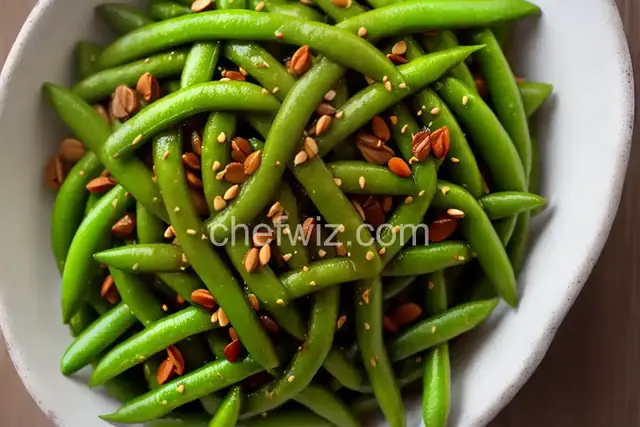
 Have you ever wondered how to turn those fresh sugar snap peas into a tangy, flavorful snack?
 By AprilPublished
 Have you ever wondered how to turn those fresh sugar snap peas into a tangy, flavorful snack?
Check a quart-sized jar for cracks and the ring for rust. If there are any issues, replace them.
Place the jar in simmering water while preparing the brine.
In a non-reactive saucepan, combine vinegar, kosher salt, and sugar. Stir until the salt and sugar are completely dissolved, which should take approximately 5 minutes.
Remove the saucepan from the heat and mix in water. Let the mixture cool down to room temperature, approximately 15 minutes.
Take the trimmed snap peas, garlic, lemon zest, dill, and tarragon and put them into the sterilized jar.
Pour the vinegar mixture into the jar with the ingredients.
Use a moist paper towel to wipe the rim of the jar and remove any residue.
Place the lid on the jar and screw the ring on tightly.
Refrigerate the jar for at least 24 hours or up to 2 weeks until the peas are lightly pickled.
Remember to trim the ends of the pea pods before adding them to allow for the full immersion of the brine.
The nutritional data for this recipe includes the full amount of brine ingredients. However, the actual amount of brine consumed may vary.
Have you ever wondered how to turn those fresh sugar snap peas into a tangy, flavorful snack? Look no further! In this article, we will explore the art of pickling sugar snap peas. Whether you're a seasoned pickler or a beginner in the world of preserving, this guide will provide you with all the information you need to create delicious pickled peas that will keep you coming back for more.
While sugar snap peas are delightful on their own, pickling them takes their taste to a whole new level. The process of pickling enhances the natural sweetness of the peas while adding a tangy and savory twist. The result is a crunchy and refreshing snack that's perfect for any occasion. Imagine the burst of flavors that will dance on your taste buds as you bite into a pickled sugar snap pea!
Pickling sugar snap peas is a simple and straightforward process. It involves three main steps: preparing the peas, creating the pickling brine, and preserving the peas in jars. Let's break it down:
Start by washing and trimming the sugar snap peas. Remove the stem end and pull off any strings if necessary. This step ensures that your pickled peas have a uniform appearance and texture.
The pickling brine is what gives the sugar snap peas their tangy flavor. It typically consists of vinegar, water, salt, sugar, and spices. Experiment with different spice combinations to find your preferred flavor profile. You can add garlic, dill, mustard seeds, or even red pepper flakes for a little kick.
Once you have prepared the peas and created the brine, it's time to pack everything into jars. Place the sugar snap peas in sterilized jars and pour the pickling brine over them. Make sure the peas are fully submerged in the brine. Seal the jars tightly and let them sit in a cool, dark place for a few days to allow the flavors to develop.
Now that you know the basic steps, here are some tips to ensure your pickled peas turn out perfect:
Freshness is key when it comes to pickling vegetables. Choose sugar snap peas that are firm, crisp, and free from blemishes. This will ensure that your pickled peas have the best texture.
Don't be afraid to get creative with your pickling brine. Try adding different spices, herbs, or even a hint of sweetness with honey or maple syrup. The possibilities are endless, so have fun and find your own unique combination.
Pickling is a process that requires patience. Allow the pickled peas to sit for at least a few days before tasting them. This will give the flavors enough time to marry and develop.
Pickling sugar snap peas is a delightful way to enjoy this fresh and vibrant vegetable. With a few simple steps, you can transform ordinary peas into a tangy and crunchy snack that will impress your taste buds. Don't be afraid to experiment with flavors and spice combinations to create your own signature pickled peas. So why wait? Get pickling and savor the deliciousness!
Properly stored pickled sugar snap peas can last for up to a year in the refrigerator.
Yes, you can reuse the pickling brine. Just make sure to strain it before using it again to remove any impurities.
Pickled sugar snap peas are a healthy snack option. They are low in calories and packed with fiber, vitamins, and minerals.
Absolutely! You can control the level of spiciness by adjusting the amount of chili flakes or other spicy ingredients you add to the brine.
Yes, you can pickle other vegetables alongside sugar snap peas to create a medley of flavors. Carrots, radishes, and cauliflower are great options.
While vinegar is the traditional pickling agent, you can experiment with other acids like lemon juice or apple cider vinegar for a different flavor profile.
Salt is an essential ingredient in pickling as it helps preserve the vegetables and enhances their flavor. However, you can reduce the amount of salt if desired.
Absolutely! Different types of vinegar, such as white vinegar, rice vinegar, or balsamic vinegar, will impart unique flavors to your pickled peas.
AprilCook, recipe developer and the heart of Chefwiz. More about April