Sugar Skull
Rate this recipeBe the first to rate
 By AprilPublished
 Have you ever marveled at the intricate designs and vibrant colors of a sugar skull?
 By AprilPublished
 Have you ever marveled at the intricate designs and vibrant colors of a sugar skull?
In a bowl, combine the granulated sugar and meringue powder.
Add 2 teaspoons of water and mix by hand until the mixture feels like moist sand.
Test the moisture level by squeezing some sugar paste in your hand. If it maintains its shape, it's ready to mold. If it falls apart, add more water until you reach the desired consistency.
While molding the skull, continue to stir the sugar mixture to ensure even moisture distribution.
Press the sugar paste into the front skull mold.
Use a bench scraper to clean the back of the mold and scrape off any excess sugar paste.
Carefully unmold the skull onto a piece of cardboard.
Repeat the molding process with the back skull mold.
Allow the skull halves to dry for 8 hours or overnight.
To make the icing:
In a large bowl, combine the confectioners' sugar, meringue powder, and 3/4 cup of water.
Mix slowly with an electric mixer until the icing forms stiff peaks. The icing should be pure white and thick, but not fluffy and bubbly.
Apply a thin layer of icing to the flat side of one of the skull halves.
Use the icing to "glue" the two skull halves together.
Let the skull sit until the icing is dry, approximately 1 hour.
If desired, divide
Have you ever marveled at the intricate designs and vibrant colors of a sugar skull? These beautiful creations are more than just eye-catching decorations. They hold a deep significance in Mexican culture and are an integral part of the annual Day of the Dead celebration. In this article, we will explore the history and symbolism behind sugar skulls, as well as their growing popularity around the world.
The tradition of making sugar skulls dates back hundreds of years to ancient Mexico. It is believed to have originated from the Aztec tradition of honoring the dead. The Aztecs would create sugar skulls as offerings to their deceased loved ones, placing them on homemade altars called "ofrendas". These altars were adorned with marigolds, candles, and the favorite foods and possessions of the departed.
Over time, the tradition of making sugar skulls evolved and became intertwined with the Christian holiday, All Saints' Day. Today, sugar skulls are primarily associated with the Day of the Dead, a holiday that spans from October 31st to November 2nd. During this time, families gather to honor and remember their loved ones who have passed away.
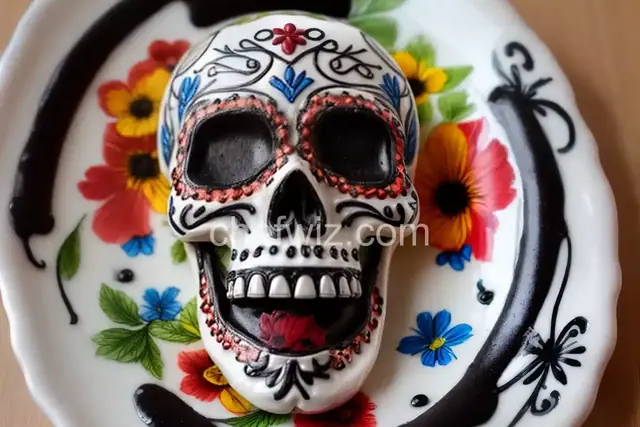
Sugar skulls are not only visually striking but also carry deep symbolism. They are often decorated with colorful icing, sequins, and feathers, with each element holding its own meaning. The skull itself represents death and mortality, while the vibrant colors symbolize the celebration of life. The intricate designs on the sugar skulls depict various aspects of the deceased, such as their personality, hobbies, or profession.
One of the most important elements of a sugar skull is the name of the deceased, which is often written on the forehead. This serves as a way to honor and remember the person who has passed away. By creating and displaying these personalized sugar skulls, families celebrate the lives of their loved ones and keep their memory alive.
While sugar skulls have deep roots in Mexican culture, they have gained popularity around the world. In recent years, sugar skulls have become a trendy and fashionable motif, appearing on clothing, accessories, and even tattoos. People are drawn to the beauty and symbolism of sugar skulls, often incorporating them into their own art and designs.
The popularity of sugar skulls can be attributed to their unique combination of beauty and meaning. They serve as a reminder to cherish life and honor those who have passed away. Whether you are participating in the Day of the Dead festivities or simply appreciate the aesthetic appeal of sugar skulls, they are a powerful symbol that transcends cultural boundaries.
Sugar skulls are more than just beautiful decorations. They hold a deep cultural significance and serve as a way to honor and remember loved ones who have passed away. Whether you appreciate the symbolism behind sugar skulls or simply find them visually appealing, they are a powerful reminder to celebrate life and keep the memory of our loved ones alive.
Sugar skulls hold a deep significance in Mexican culture as they are used to honor and remember deceased loved ones during the Day of the Dead celebration.
Traditionally, sugar skulls were made from a mixture of sugar, water, and lime. However, modern versions may incorporate different materials, such as clay or chocolate.
Absolutely! Making sugar skulls is a fun and creative activity that can be enjoyed by people of all ages. There are plenty of tutorials and kits available to help you get started.
The colors on sugar skulls hold symbolic meanings. For example, purple represents grief, white represents purity, and yellow represents the sun and life.
While sugar skulls are most commonly associated with the Day of the Dead, they can be appreciated and displayed year-round as beautiful works of art.
Yes, there are many online retailers that offer a wide variety of sugar skulls, ranging from traditional designs to modern interpretations.
Absolutely! Decorating your own sugar skull allows you to personalize it and add your own creative touch. Get inspired and have fun with it!
Sugar skulls can be a great source of inspiration for artists and designers. You can incorporate elements of sugar skulls into paintings, drawings, jewelry, or even clothing designs. Let your imagination run wild!
AprilCook, recipe developer and the heart of Chefwiz. More about April