Stuffed Cabbage Rolls (Galumpkis)
Rate this recipeBe the first to rate
 By AprilPublished
 Have you ever tasted a dish that instantly transports you back to your childhood?
 By AprilPublished
 Have you ever tasted a dish that instantly transports you back to your childhood?
Heat the oil in a 3-quart saucepan over medium heat.
Saute the garlic for 1 minute.
Add the tomatoes and cook for 5 minutes, stirring occasionally.
Stir in the vinegar and sugar, then simmer for about 5 minutes until the sauce thickens.
Season with salt and pepper, then remove from heat.
To prepare the filling:
Heat a skillet over medium heat and coat with 2 tablespoons of olive oil.
Saute the onion and garlic for about 5 minutes until softened.
Mix in the tomato paste, a splash of wine, parsley, and 1/2 cup of the prepared sweet and sour tomato sauce. Remove from heat.
In a large mixing bowl, combine the ground meat.
Add the egg, cooked rice, and sauteed onion mixture to the meat.
Use your hands to mix the filling together until well combined.
Season with salt and pepper.
To prepare the cabbage rolls:
Bring a large pot of salted water to a boil.
Remove the damaged outer leaves of the cabbages and set them aside.
Cut out the cores of the cabbages and carefully remove the rest of the leaves, keeping them whole and undamaged.
Blanch the cabbage leaves in the boiling water for 5 minutes, or until they become pliable.
Rinse
Have you ever tasted a dish that instantly transports you back to your childhood? Stuffed cabbage rolls, also known as Galumpkis, have that magical ability. These tender and flavorful bundles of joy are a beloved comfort food in many cultures. Whether you call them Galumpkis, Golubtsy, or something else entirely, these delicious parcels of goodness are sure to satisfy your taste buds.
Like many traditional recipes, the origins of stuffed cabbage rolls are shrouded in mystery. Although they are commonly associated with Eastern European cuisine, versions of this dish can be found in various cultures around the world.
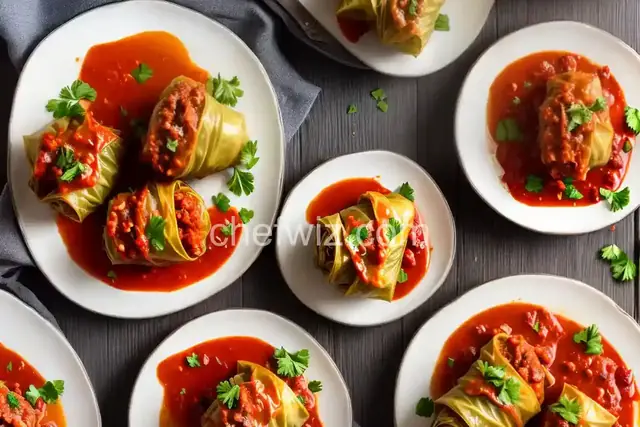
In Eastern Europe, Galumpkis are a staple at family gatherings and special occasions. The tender cabbage leaves are filled with a delectable mixture of ground meat, rice, and spices, then simmered in a rich tomato sauce. The result is a hearty and satisfying dish that warms both the stomach and the soul.
Preparing the perfect Galumpkis requires a delicate touch and attention to detail. The first step is to carefully remove the leaves from a head of cabbage, blanch them, and then trim away any tough veins. This ensures that the cabbage is tender and pliable, ready to envelop the flavorful filling.
The filling itself is a symphony of flavors. Ground meat, such as beef, pork, or a combination of the two, is mixed with cooked rice, onions, garlic, and an assortment of herbs and spices. This mixture is then lovingly spooned onto each cabbage leaf and rolled into a neat package, ready to be bathed in a luscious tomato sauce.
There is something truly satisfying about sinking your teeth into a well-prepared Galumpkis. The tender cabbage leaf gives way to a burst of flavors, as the meaty filling mingles with the tangy tomato sauce. Each bite is a symphony of textures and tastes, a true delight for the senses.
Galumpkis are versatile and can be enjoyed on their own or paired with a variety of side dishes. Mashed potatoes, crusty bread, or a fresh green salad all make excellent accompaniments to this hearty meal. Whether served at a family dinner or a festive gathering, Galumpkis are sure to be a crowd-pleaser.
Embark on a culinary adventure and savor the exquisite flavors of Galumpkis. From the first bite to the last, these stuffed cabbage rolls will take you on a journey through time and tradition. So gather your ingredients, roll up your sleeves, and let the magic of Galumpkis unfold in your kitchen.
Absolutely! While traditional Galumpkis are made with green cabbage, you can experiment with other varieties such as savoy or napa cabbage for a different twist.
Of course! You can substitute the meat with a combination of cooked grains, such as quinoa or lentils, to create a delicious vegetarian version of this classic dish.
Yes, you can freeze Galumpkis for later enjoyment. Simply prepare the rolls, wrap them tightly in plastic wrap or aluminum foil, and place them in a freezer-safe container. When you're ready to indulge, thaw them overnight in the refrigerator and then reheat them in the oven or on the stovetop.
Leftover Galumpkis can be stored in an airtight container in the refrigerator for up to 3-4 days. Simply reheat them in the microwave or on the stovetop for a quick and delicious meal.
Absolutely! While beef and pork are commonly used in Galumpkis, you can substitute them with other meats such as chicken, turkey, or even lamb to create your own unique flavor profile.
Yes, you can! Simply prepare the cabbage rolls as usual and place them in the slow cooker along with the tomato sauce. Cook on low heat for 6-8 hours or on high heat for 3-4 hours for a tender and flavorful meal.
The traditional recipe for Galumpkis includes rice, which is naturally gluten-free. However, it's essential to check the ingredients in the tomato sauce and any other seasonings you use to ensure they are also gluten-free.
Absolutely! Galumpkis are an excellent make-ahead dish. You can prepare them in advance, refrigerate them, and then bake them when you're ready to serve. The flavors will have a chance to meld together, resulting in an even more delicious meal.
While cheese is not a traditional ingredient in Galumpkis, there's no harm in getting creative in the kitchen! Feel free to sprinkle some grated cheese on top of the rolls before baking for an extra gooey and indulgent treat.
AprilCook, recipe developer and the heart of Chefwiz. More about April