Stollen
Rate this recipeBe the first to rate
 By AprilPublished
 When the holiday season arrives, there's nothing quite like the aroma of freshly baked goods wafting through the air.
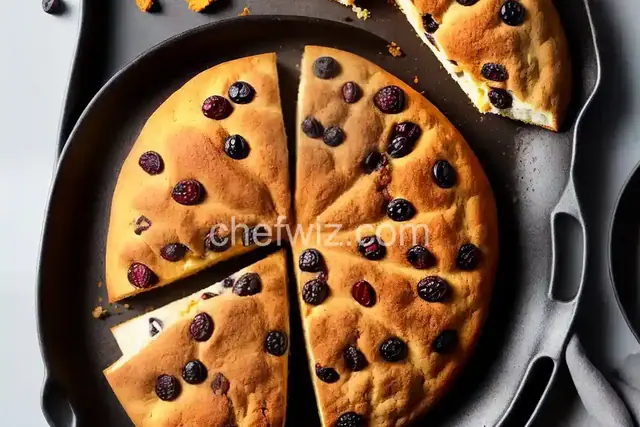 By AprilPublished
 When the holiday season arrives, there's nothing quite like the aroma of freshly baked goods wafting through the air.
Prepare Fruit: Combine the mixed fruit, raisins, and rum. Set aside and periodically shake or stir to coat the fruit with rum.
Prepare Sponge: Soften the yeast by sprinkling it in water in a large bowl. Heat milk to 110 degrees F and add it to the yeast along with honey and 1 cup flour. Cover the sponge with plastic wrap and let it rise for about 30 minutes until light and full of bubbles.
By Hand: Add fruit mixture, honey, egg, butter, zest, salt, mace, almonds, and 2 cups of flour to the sponge. Beat vigorously for 2 minutes. Gradually add remaining flour 1/4 cup at a time until the dough starts to pull away from the bowl. Transfer the dough to a floured work surface and knead until smooth and elastic, adding flour as needed.
By Mixer: In the mixer bowl, combine fruit mixture, honey, egg, butter, zest, salt, mace, almonds, and 2 cups of flour with the sponge. Use the paddle attachment to beat the mixture on medium-low speed for 2 minutes. Gradually add remaining flour 1/4 cup at a time until the dough starts to pull away from the bowl. Switch to the dough hook and continue adding flour 1 tablespoon at a time until the dough begins to clean the bowl. Knead on medium-low for 4 to 5 minutes.
First rise: Place the dough in an o
When the holiday season arrives, there's nothing quite like the aroma of freshly baked goods wafting through the air. One delightful treat that is synonymous with Christmas in Germany is Stollen. This traditional German fruit bread is packed with flavors and has become a beloved festive staple around the world. Let's delve into the history, flavors, and traditions surrounding this delectable holiday treat.
Stollen has a rich history that stretches back centuries. Its origins can be traced back to the city of Dresden in Germany, where it was first mentioned in official documents as early as the 15th century. Originally, Stollen was baked for the Christmas season as a way to observe the Christian tradition of fasting before indulging in rich foods on Christmas Day.
Legend has it that the shape of Stollen represents the baby Jesus wrapped in swaddling clothes. This iconic shape, resembling a loaf with a hump in the middle, has become synonymous with the traditional Stollen we know today.
Stollen is a fruit bread that is packed with a delightful combination of flavors. The dough is typically made with flour, yeast, butter, sugar, and milk. It is then enriched with a variety of ingredients such as dried fruits, nuts, spices, and sometimes even marzipan. The most common fruits used in Stollen are raisins, candied citrus peel, and currants.
One of the distinguishing features of Stollen is its powdered sugar coating, which represents the snow-covered landscapes of winter. This sugar coating adds a touch of sweetness and enhances the visual appeal of the bread.
In Germany, Stollen is traditionally baked and enjoyed during the Advent season leading up to Christmas. It is often served as a special treat on the fourth Sunday of Advent, known as Stollen Sunday. Families gather around the table, savoring the flavors of Stollen while sharing stories and creating cherished memories.
Stollen is also deeply rooted in gift-giving traditions. It is common for families to exchange Stollen with friends, neighbors, and loved ones as a symbol of goodwill and holiday cheer. The act of giving and receiving Stollen is a heartwarming way to spread joy and celebrate the season.
Stollen is a delightful German Christmas tradition that has captured the hearts and taste buds of people around the world. Its rich history, flavorful ingredients, and festive symbolism make it a cherished treat during the holiday season. Whether you're enjoying a slice of Stollen with loved ones or baking it yourself, this traditional fruit bread is sure to bring warmth and joy to your celebrations.
No, Stollen is traditionally associated with Christmas, but it can be enjoyed throughout the year. Its rich flavors and festive symbolism make it a delightful treat for any occasion.
Absolutely! There are numerous recipes available online that guide you through the process of making Stollen from scratch. Baking your own Stollen allows you to personalize it with your favorite fruits and spices.
When stored properly in an airtight container, Stollen can stay fresh for up to two weeks. However, it is best enjoyed within the first few days of baking when the flavors are at their peak.
Yes, Stollen can be frozen to extend its shelf life. Simply wrap it tightly in plastic wrap and place it in a freezer bag. When ready to enjoy, thaw it at room temperature for a few hours before serving.
Yes, if you're not a fan of marzipan, you can leave it out or substitute it with another ingredient of your choice. The beauty of Stollen lies in its versatility, allowing you to customize it according to your taste preferences.
Yes, there are vegan and gluten-free variations of Stollen available. These versions use plant-based substitutes for dairy and eggs or alternative flours to accommodate dietary restrictions.
While both Stollen and fruitcake contain dried fruits, they are distinct in flavor and texture. Stollen tends to be lighter, moister, and less dense than traditional fruitcake.
Yes, different regions in Germany have their own variations of Stollen. The most famous is the Dresden Stollen, known for its strict adherence to traditional ingredients and methods. Other regions may incorporate local flavors and ingredients into their Stollen recipes.
AprilCook, recipe developer and the heart of Chefwiz. More about April