Stir-Fried Thai Noodles: Pad Thai
Rate this recipeBe the first to rate
 By AprilPublished
 Have you ever craved a delicious and aromatic dish that combines the perfect balance of sweet, sour, and savory flavors?
 By AprilPublished
 Have you ever craved a delicious and aromatic dish that combines the perfect balance of sweet, sour, and savory flavors?
Begin by soaking the dried rice noodles in cool or lukewarm water for 30 minutes, or until they become soft but still slightly firm to the touch. This will allow them to further soften when cooked in the wok.
Once soaked, thoroughly drain the noodles in a colander and set them aside while you prepare the other ingredients.
In a small bowl, combine the fish sauce, tamarind juice, and sugar. Mix well until the sugar has melted completely. Taste the mixture and adjust the flavors according to your preference, balancing the salty, sour, and sweet elements.
Heat a wok over medium-high heat until it becomes hot and starts to smoke. Add 1 tablespoon of oil to the wok and quickly stir-fry the shrimp until they turn pink and are almost cooked through, which should take around 1 to 2 minutes. Once done, transfer the shrimp to a plate and cover them to keep them warm.
Add the remaining oil to the wok and add the garlic, shallots, and chili. Stir-fry these ingredients for about 30 seconds. Push the garlic and shallots to one side of the wok and pour the beaten egg into the center. Lightly scramble the egg until it is set, breaking it into small pieces with a spatula.
Add the drained noodles to the wok, quickly stirring and tossing them with two spatulas to separate the strands
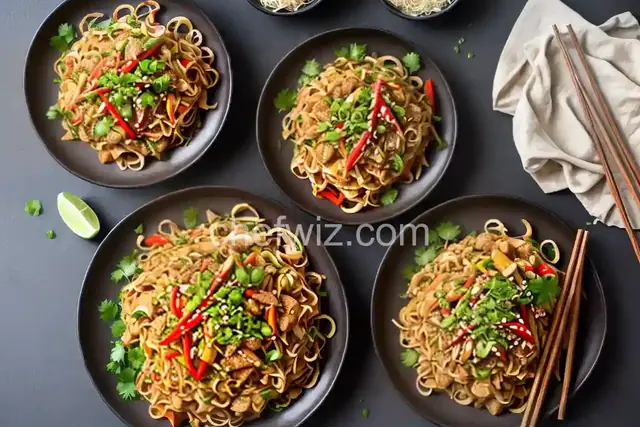
Have you ever craved a delicious and aromatic dish that combines the perfect balance of sweet, sour, and savory flavors? Look no further than Pad Thai, a popular stir-fried Thai noodle dish that will transport your taste buds to the bustling streets of Thailand. In this article, we will explore the origins of Pad Thai, the key ingredients that make it so delectable, and some tips to make your own mouthwatering version at home.
Before we dive into the culinary wonders of Pad Thai, let's take a moment to appreciate its fascinating history. Pad Thai is believed to have been created during World War II when Thailand faced a scarcity of rice due to wartime rationing. To combat this, the government promoted the use of noodles, and thus Pad Thai was born.
This humble dish quickly gained popularity, both locally and internationally, thanks to its harmonious blend of flavors and textures. Today, Pad Thai is a quintessential Thai dish that can be found in Thai restaurants all around the world.
What makes Pad Thai so irresistible? It's all in the ingredients. The star of the dish is undoubtedly the rice noodles, which provide a soft and chewy base. Alongside the noodles, you will find a colorful medley of ingredients, including shrimp, tofu, bean sprouts, eggs, and peanuts.
The magic happens when these ingredients come together in the wok. The noodles soak up the flavors of the tamarind sauce, fish sauce, and palm sugar, creating a harmonious balance of sweet, sour, and savory notes. The addition of lime juice adds a refreshing zing, while the crushed peanuts provide a satisfying crunch.
Now that you're familiar with the key ingredients, let's dive into some expert tips to help you create the perfect Pad Thai at home. First and foremost, make sure your wok or skillet is hot before adding the ingredients. This will ensure that your noodles don't stick together and that everything cooks evenly.
Another crucial tip is to prep all your ingredients before you start cooking. Pad Thai is a fast-paced dish, and you don't want to be scrambling to chop vegetables or measure sauces while your noodles are sizzling away.
Lastly, don't be afraid to get creative and add your own twist to the classic recipe. You can experiment with different proteins like chicken, beef, or even go vegetarian with extra tofu and vegetables. Feel free to adjust the level of spiciness by adding more chili flakes or dialing it down to suit your taste.
In conclusion, Pad Thai is a delightful stir-fried noodle dish that captures the essence of Thai cuisine. With its rich history, tantalizing flavors, and endless customization options, Pad Thai is sure to satisfy your cravings for a hearty and flavorful meal. So, why not gather the ingredients, fire up your wok, and embark on a culinary adventure to create your own mouthwatering Pad Thai?
No, Pad Thai is not inherently spicy. However, you can adjust the level of spiciness by adding chili flakes or Thai chili sauce according to your preference.
Yes, you can substitute fish sauce with soy sauce or tamari for a vegetarian or vegan version of Pad Thai. Just keep in mind that the flavor profile may vary slightly.
While traditional Pad Thai calls for rice noodles, you can experiment with other types of noodles like egg noodles or even spaghetti if you're feeling adventurous. Just be mindful of the cooking time and adjust accordingly.
Store any leftover Pad Thai in an airtight container in the refrigerator for up to 3 days. When reheating, add a splash of water or broth to prevent the noodles from drying out.
Yes, you can make Pad Thai gluten-free by using gluten-free soy sauce or tamari and ensuring that the noodles you use are certified gluten-free.
Yes, if you have a peanut allergy or simply prefer to exclude peanuts from your dish, you can omit them. The dish will still be delicious without them.
Pad Thai can be enjoyed as a standalone meal, as it contains a good balance of protein, carbohydrates, and vegetables. However, you can also serve it alongside other Thai dishes or add a side of salad for a more substantial meal.
While Pad Thai is best enjoyed fresh, you can prepare some of the components in advance, such as chopping vegetables or marinating the protein. However, it's recommended to cook the noodles and stir-fry the dish just before serving for the best texture and flavor.
AprilCook, recipe developer and the heart of Chefwiz. More about April