Stir-Fried Asian Eggplant
Rate this recipeBe the first to rate
 By AprilPublished
 Are you tired of eating the same old vegetables every day? Do you want to add a touch of Asian flavors to your dinner menu?
 By AprilPublished
 Are you tired of eating the same old vegetables every day? Do you want to add a touch of Asian flavors to your dinner menu?
Cut each eggplant in half lengthwise, then slice diagonally into 1/2-inch pieces.
Place the sliced eggplants in a bowl and cover with water. Add salt and stir until the salt is dissolved. Let the eggplants soak for 5 minutes, then drain well.
In a small bowl, combine oyster sauce, sugar, and sesame oil. Set aside.
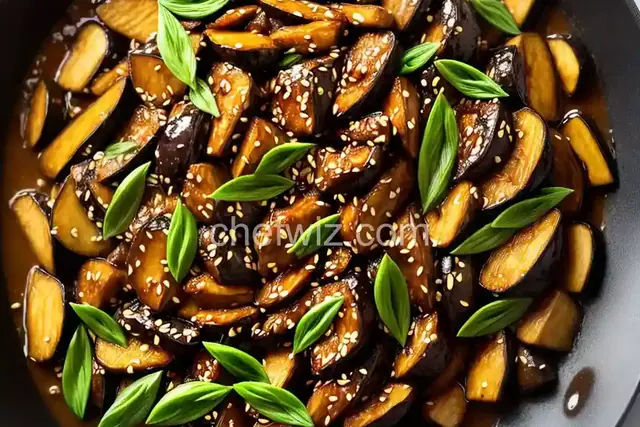
Heat a wok or nonstick skillet over high heat. Add vegetable oil, garlic, chile peppers, and drained eggplants. Stir-fry for 2 minutes.
Add 2 tablespoons of water to the wok and continue stir-frying for an additional 2 minutes.
Pour the oyster sauce mixture into the wok and stir well to combine with the eggplants.
Transfer the cooked eggplants to a serving platter and serve hot or cold.
Are you tired of eating the same old vegetables every day? Do you want to add a touch of Asian flavors to your dinner menu? Look no further, because stir-fried Asian eggplant is here to tantalize your taste buds and bring a burst of excitement to your plate!
Asian eggplant, also known as Chinese eggplant, is a versatile vegetable that offers a unique texture and flavor. Its long and slender shape, coupled with its vibrant purple skin, makes it a visually appealing addition to any dish. Unlike its Western counterparts, Asian eggplant has a tender skin that doesn't require peeling, making it a hassle-free option for cooking.
When cooked, Asian eggplant develops a silky and creamy texture that melts in your mouth. Its mild and slightly sweet taste pairs well with a variety of seasonings, making it the perfect canvas for your culinary creativity.
Stir-frying is a cooking technique that originated in Asia and has gained popularity worldwide. It involves quickly frying small pieces of food in a hot pan or wok, allowing them to retain their natural flavors and textures. Stir-frying is not only a quick and efficient way to cook, but it also preserves the nutritional value of the ingredients.
To stir-fry Asian eggplant, start by cutting it into bite-sized pieces or thin slices. Preheat your wok or a large skillet over high heat and add a small amount of oil. Once the oil is hot, toss in the eggplant and stir continuously to ensure even cooking. Add your choice of seasonings, such as soy sauce, garlic, ginger, or chili flakes, to elevate the flavors.
The beauty of stir-fried Asian eggplant lies in its ability to absorb the flavors of the seasonings and other ingredients it's cooked with. Whether you prefer a tangy and spicy Szechuan-style stir-fry or a savory and garlicky Thai-inspired dish, the possibilities are endless.
Pair your stir-fried Asian eggplant with other vegetables like bell peppers, mushrooms, or snow peas for added color and texture. You can even incorporate protein sources like tofu, shrimp, or chicken to create a well-rounded and satisfying meal.
Stir-fried Asian eggplant is a delightful dish that adds an exotic touch to your dinner table. With its velvety texture and ability to soak up flavors like a sponge, it's a versatile ingredient that can be customized to suit your taste preferences. So why not give it a try and elevate your cooking game with this Asian-inspired delight?
A1: No, Asian eggplant is different from regular eggplant in terms of shape, size, and texture. It has a slender shape, thinner skin, and a tender flesh that doesn't require peeling.
A2: While you can substitute Asian eggplant with other varieties, keep in mind that the cooking time and texture may differ. Asian eggplant is preferred for stir-frying due to its quick cooking time and creamy texture.
A3: Look for Asian eggplants that have smooth and shiny skin, free from blemishes or wrinkles. The stem should be green and sturdy. Avoid eggplants that feel soft or have brown spots.
A4: Asian eggplant is typically cooked before consuming. While it can be eaten raw, the texture and flavor are enhanced through cooking.
A5: Apart from stir-frying, you can also grill, roast, or bake Asian eggplant. These methods bring out a different set of flavors and textures.
A6: Yes, stir-fried Asian eggplant is a healthy dish as long as you use minimal oil and avoid heavy sauces. It is low in calories, high in fiber, and packed with vitamins and minerals.
A7: While it's best to enjoy stir-fried Asian eggplant immediately after cooking, you can make it ahead of time and store it in the refrigerator for up to 2-3 days. Reheat it gently in the microwave or on the stovetop before serving.
A8: It is not recommended to freeze stir-fried Asian eggplant, as the texture may become mushy upon thawing.
AprilCook, recipe developer and the heart of Chefwiz. More about April