Sticky Buns
Rate this recipeBe the first to rate
 By AprilPublished
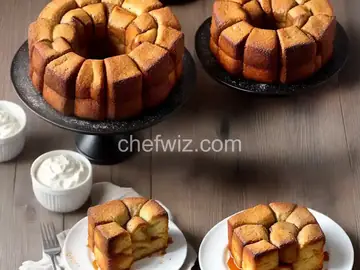
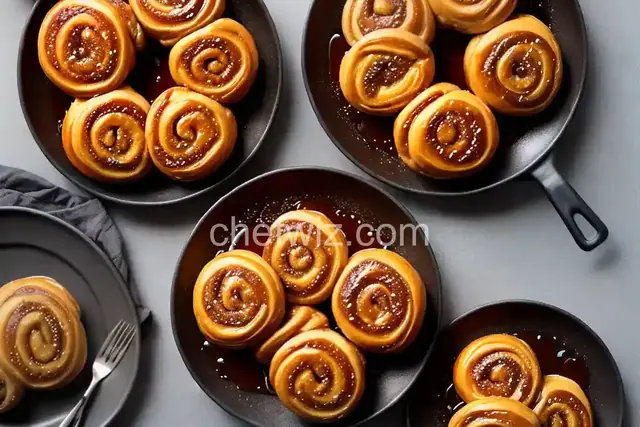
 Who can resist the mouthwatering aroma of freshly baked sticky buns?
 By AprilPublished
 Who can resist the mouthwatering aroma of freshly baked sticky buns?
In a large bowl, combine warm water and yeast. Allow mixture to sit for about 10 minutes until it becomes creamy.
Add 2 1/2 cups flour, buttermilk, eggs, 1/4 cup white sugar, 1/4 cup softened butter, baking powder, and salt to the yeast mixture. Stir until all ingredients are well combined.
Gradually add the remaining 3 cups of flour, 1/2 cup at a time, while continuously beating the mixture. Ensure each addition is well incorporated. The dough should be soft and slightly sticky.
Transfer the dough onto a lightly floured surface and knead it for approximately 8 minutes until it becomes smooth and elastic.
Divide the dough in half. Roll each half into a rectangle measuring 12x7 inches.
Spread 1 tablespoon of softened butter onto each rectangle. Sprinkle 1/4 cup of white sugar and 1 teaspoon of cinnamon onto each rectangle.
Starting from the wider side, roll up each rectangle and seal the seams by pinching them together. You should have two rolls.
Cut each roll into 12 equal slices.
Grease two 9-inch round cake pans with 1/4 cup melted butter each. Sprinkle 1/4 cup brown sugar, half of the pecans, and half of the raisins into each pan.
Arrange 12 slices of dough in each
Who can resist the mouthwatering aroma of freshly baked sticky buns? These delicious treats are a perfect combination of sticky caramel, gooey sweetness, and soft, fluffy dough. In this article, we will explore the delightful world of sticky buns and learn all about their origins, variations, and how to make them at home.
Sticky buns, also known as cinnamon rolls or caramel rolls, have a rich history that dates back centuries. Their exact origin is unclear, but they are believed to have originated in Northern Europe. These sweet pastries gained popularity in the United States during the 18th century, thanks to German immigrants who brought their baking traditions with them.
Originally, sticky buns were made with simple ingredients like flour, yeast, butter, and sugar. Over time, different regions and cultures added their own twist to the recipe, resulting in various variations of this delectable treat.
Sticky buns come in a wide range of flavors and styles. Some popular variations include:
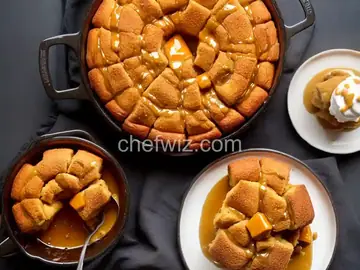
These sticky buns are topped with a generous layer of caramel sauce and sprinkled with crunchy pecans. The combination of the sweet caramel and nutty pecans creates a heavenly texture and taste.
For those who love fruity flavors, apple cinnamon sticky buns are a perfect choice. These buns are filled with a mixture of diced apples, cinnamon, and sugar, which caramelizes during baking, resulting in a delightful apple-infused treat.
Chocolate lovers rejoice! Chocolate hazelnut sticky buns are a gooey and decadent delight. The dough is filled with a rich chocolate-hazelnut spread, and the buns are topped with a velvety chocolate glaze.
Now that we've whet your appetite, let's dive into the process of making sticky buns at home. While it may seem intimidating at first, with a little practice and patience, you can become a sticky bun master.
Start by preparing the dough, which is the foundation of any good sticky bun. Combine flour, yeast, sugar, salt, and warm milk in a mixing bowl. Knead the dough until it becomes soft and elastic. Let it rise until it doubles in size.
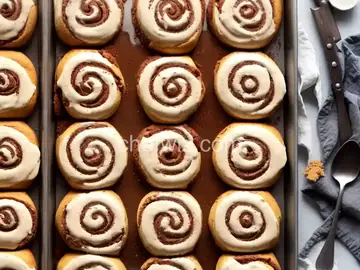
Next, roll out the dough into a rectangle and spread a layer of butter, cinnamon, and sugar on top. Roll the dough tightly into a log and cut it into individual buns. Place the buns in a greased baking dish, cover, and let them rise again until they are puffy.
While the buns are rising, prepare the sticky caramel sauce. In a saucepan, melt butter and brown sugar until it forms a thick, sticky mixture. Pour the caramel sauce over the risen buns, making sure to cover them completely.
Bake the sticky buns in a preheated oven until they are golden brown and the caramel is bubbling. Once out of the oven, let them cool slightly before indulging in their gooey goodness.
Sticky buns are a delightful treat that brings joy to people of all ages. Whether you prefer the classic cinnamon flavor or want to experiment with different variations, making sticky buns at home is a rewarding experience that fills your kitchen with warmth and delicious aromas. So, why not gather your ingredients and embark on a sticky bun baking adventure?
Yes, you can substitute pecans with walnuts, almonds, or any other nut of your choice.
Yes, you can freeze sticky buns. Wrap them tightly in plastic wrap or place them in an airtight container before freezing.
Sticky buns are best enjoyed fresh on the day they are baked. However, you can store them in an airtight container for up to 2-3 days.
Yes, you can make sticky buns without yeast by using baking powder or self-rising flour. However, the texture may be slightly different.
Absolutely! Raisins are a popular addition to sticky buns and add a touch of sweetness to the dough.
Yes, you can experiment with different frostings such as cream cheese frosting or vanilla glaze to enhance the flavor of your sticky buns.
Yes, you can make vegan sticky buns by substituting dairy milk with plant-based milk and using vegan butter and sugar.
Yes, you can reheat sticky buns in the oven or microwave. However, they are best enjoyed fresh out of the oven.
AprilCook, recipe developer and the heart of Chefwiz. More about April