Standing Rib Roast with Cabernet au Jus
Rate this recipeBe the first to rate
 By AprilPublished
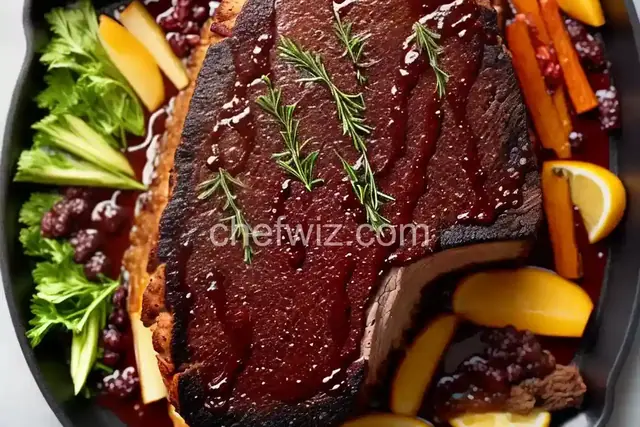
 Are you in the mood for a succulent and flavorful roast that will impress your guests?
 By AprilPublished
 Are you in the mood for a succulent and flavorful roast that will impress your guests?
When purchasing a rib roast from the butcher, ask for a "top choice" roast cut from the small loin end, preferably ribs 12 through 10. Request the butcher to remove the chine/backbone and shorten and french the rib bones.
Preheat the oven to 325 degrees F.
Place the rib roast, with the rib side facing down, in a large roasting pan.
In a small bowl, mix together garlic, rosemary, thyme, salt, pepper, and olive oil to create a paste.
Generously smear the paste over the entire roast.
Scatter the vegetables around the roast and drizzle them with olive oil.
Roast the roast for approximately 1 1/2 to 2 hours, or about 20 minutes per pound, for medium-rare.
Use an instant-read thermometer to check the internal temperature of the roast in multiple places. It should register 120 to 125 degrees F for medium-rare.
Once cooked, transfer the roast to a carving board and let it rest for 20 minutes to allow the juices to settle. Note that the internal temperature of the meat will increase by about 10 degrees during this time.
Remove the vegetables and set them aside.
Pour the pan juices into a fat separator to separate the broth for the au jus from the fat for Yorkshire pudding.
Place the roasting pan over medium-high heat
Are you in the mood for a succulent and flavorful roast that will impress your guests? Look no further than a Standing Rib Roast with Cabernet au Jus. This classic dish is bound to be the star of any special occasion or holiday feast. Just imagine sinking your teeth into juicy, tender slices of perfectly cooked beef, complemented by a rich and savory wine-infused jus. It's a match made in culinary heaven!
Preparing a standing rib roast may seem intimidating at first, but with a few simple tips and tricks, you'll be able to create a masterpiece in no time. The key is to start with a high-quality piece of meat. Look for a well-marbled prime rib roast with a generous fat cap. This fat will render during cooking, keeping the meat moist and adding incredible flavor.
Before roasting, it's important to bring the roast to room temperature. This allows for even cooking throughout and ensures a tender and juicy result. Season the roast generously with salt and pepper, or your favorite blend of herbs and spices, to enhance the natural flavors of the beef.
Next, choose the right cooking method. Many chefs swear by the reverse sear technique, where the roast is slow-cooked at a low temperature before being finished with a high-heat sear. This method ensures a beautifully pink and evenly cooked interior with a deliciously caramelized crust.
No roast is complete without a flavorful jus to accompany it. The Cabernet au Jus is a luxurious sauce made from a reduction of rich Cabernet Sauvignon wine, beef stock, aromatics, and herbs. The deep, complex flavors of the wine infuse into the jus, creating a sauce that perfectly complements the beef.
To make the Cabernet au Jus, start by deglazing the roasting pan with a splash of wine and scraping up all the flavorful browned bits from the bottom. This is where the magic happens! Add beef stock, aromatics like onions, garlic, and thyme, and let the mixture simmer until it reduces into a luscious, silky sauce. Strain the jus to remove any solids, and you're left with a velvety smooth sauce that will elevate your roast to new heights.
When it comes to cooking a standing rib roast, timing is everything. Use a meat thermometer to ensure perfect doneness. For a medium-rare roast, aim for an internal temperature of 135°F (57°C). Remember that the roast will continue to cook as it rests, so remove it from the oven a few degrees below your desired final temperature.
Allow the roast to rest for at least 15 minutes before carving. This allows the juices to redistribute, resulting in a juicier and more tender roast. Use a sharp carving knife to slice the roast against the grain into thick, mouthwatering pieces.
For an extra touch of elegance, garnish your platter with fresh herbs like rosemary or thyme, and serve the Cabernet au Jus in a separate gravy boat for guests to drizzle over their slices. The combination of flavors and textures will leave everyone craving more.
While a standing rib roast is the traditional choice for this recipe, you can certainly use other cuts of beef, such as tenderloin or strip loin. Just keep in mind that cooking times and temperatures may vary.
Absolutely! The Cabernet au Jus can be made ahead of time and reheated when ready to serve. Just make sure to store it in an airtight container in the refrigerator.
Using a meat thermometer is the most accurate way to determine the doneness of your roast. Remember to insert the thermometer into the thickest part of the meat, away from any bones.
Yes, you can freeze any leftover roast for later enjoyment. Wrap it tightly in plastic wrap or aluminum foil, and place it in a freezer-safe bag or container.
Classic accompaniments to a Standing Rib Roast include creamy mashed potatoes, roasted vegetables, Yorkshire pudding, and a fresh green salad.
While Cabernet Sauvignon is the traditional choice for the au Jus, you can experiment with other red wines, such as Merlot or Bordeaux blends, to add your own personal touch.
It's best to let the roast rest for at least 15 minutes before carving. This allows the juices to redistribute, resulting in a juicier and more tender roast.
Absolutely! The leftover au Jus can be used as a flavor-packed base for gravies, sauces, and even soups. It's a versatile ingredient that adds depth to any dish.
In conclusion, a Standing Rib Roast with Cabernet au Jus is a show-stopping centerpiece that will delight your taste buds and impress your guests. With a perfectly cooked roast and a luxurious wine-infused jus, this dish is a culinary masterpiece. So, gather your ingredients, follow our tips, and get ready to savor every mouthwatering bite. Bon appétit!
AprilCook, recipe developer and the heart of Chefwiz. More about April