St. Patrick's Day Cake
Rate this recipeBe the first to rate
 By AprilPublished
 St. Patrick's Day is just around the corner, and what better way to celebrate than with a mouthwatering St.
 By AprilPublished
 St. Patrick's Day is just around the corner, and what better way to celebrate than with a mouthwatering St.
Preheat the oven to 350°F.
Line one 8-inch cake pan and five 6-inch cake pans with parchment paper, then coat them with cooking spray.
In a large bowl, whisk together the flour, baking powder, and salt.
In another large bowl, use a handheld mixer on medium-high speed to beat the granulated sugar and butter until combined.
Add the oil and beat until smooth and creamy.
Add the eggs one at a time, beating well after each addition, then beat in the vanilla.
Add about one-third of the dry ingredients to the bowl and beat on medium-low speed until just a few dry streaks remain.
Add the milk and beat until incorporated.
Add another one-third of the dry ingredients and beat on medium-low speed until just a few dry streaks remain.
Add the sour cream and beat until incorporated.
Add the remaining dry ingredients and beat until just combined.
Divide the batter among six bowls.
Dye one bowl of batter red, one orange, one yellow, one green, one blue, and one purple.
Pour the purple batter into the prepared 8-inch pan and bake until a tester inserted into the center comes out clean, 15 to 18 minutes. Let it cool.
Pour the remaining batters into the prepared 6-inch cake pans and bake until a tester inserted into the center comes
St. Patrick's Day is just around the corner, and what better way to celebrate than with a mouthwatering St. Patrick's Day cake? Whether you're hosting a party or simply want to indulge in a sweet treat, this cake is the perfect choice. In this article, we will explore the history of St. Patrick's Day, the significance of the cake, and why it has become a beloved tradition. So, put on your apron and let's dive into the world of St. Patrick's Day cakes!
St. Patrick's Day, also known as the Feast of St. Patrick, is a cultural and religious celebration held on the 17th of March every year. It commemorates the death of St. Patrick, the patron saint of Ireland, who is credited with bringing Christianity to the country. Originally a religious holiday, St. Patrick's Day has evolved into a day of festivities, parades, and wearing green to honor Irish culture and heritage.
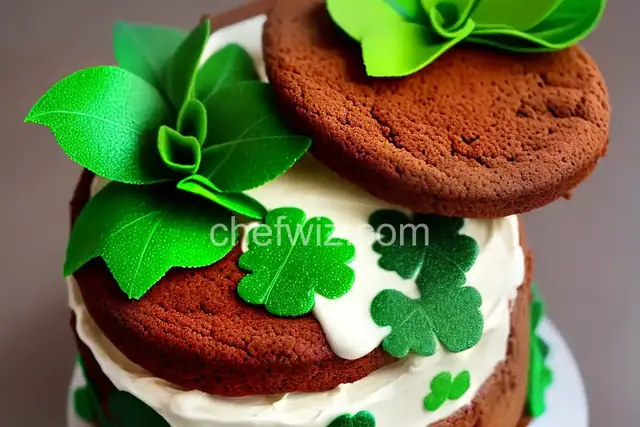
Just like any other celebration, food plays a crucial role in St. Patrick's Day festivities. And what better way to satisfy your sweet tooth than with a delectable St. Patrick's Day cake? The cake is an essential part of the celebration, symbolizing good luck and prosperity. Its vibrant green color represents the lush landscapes of Ireland, while the various decorations, such as shamrocks and leprechauns, add a touch of whimsy to the dessert.
St. Patrick's Day cake has gained popularity over the years due to its irresistible flavors and eye-catching appearance. It's not just a dessert; it's a centerpiece that adds charm to any St. Patrick's Day gathering. The cake serves as a conversation starter, bringing people together to share stories, laughter, and joy. It's a delightful way to celebrate Irish culture and create lasting memories with loved ones.
St. Patrick's Day cake is more than just a dessert; it's a symbol of joy, tradition, and togetherness. As you celebrate this festive season, let the vibrant green cake serve as a reminder of the rich Irish heritage and the magic of St. Patrick's Day. So, gather your loved ones, slice into the delicious cake, and create beautiful memories that will last a lifetime.
A1: Absolutely! While the vibrant green color is a traditional choice, you can create a stunning St. Patrick's Day cake using natural food coloring alternatives. Consider using matcha powder or spinach puree to achieve a natural green hue.
A2: Yes, you can! There are plenty of gluten-free cake recipes available that use alternative flours such as almond flour or gluten-free flour blends. You can still enjoy a delicious St. Patrick's Day cake without sacrificing your dietary needs.
A3: While there are endless possibilities when it comes to flavors, some popular choices for St. Patrick's Day cake include mint chocolate, Irish cream, and vanilla with a hint of lime. These flavors perfectly complement the festive theme.
A4: It's best to avoid using real shamrocks as decorations on your cake, as they may not be edible and could potentially be harmful if consumed. Instead, opt for edible decorations like fondant shamrocks or sugar sprinkles.
A5: Get creative with your decorations! Consider adding gold chocolate coins, rainbow-colored sprinkles, or even a leprechaun-themed cake topper. Let your imagination run wild and make your St. Patrick's Day cake truly enchanting.
A6: Absolutely! There are numerous vegan cake recipes available that use plant-based ingredients such as almond milk, coconut oil, and flaxseed meal as egg substitutes. You can still indulge in a delectable St. Patrick's Day cake while following a vegan lifestyle.
A7: It's best to bake your St. Patrick's Day cake one to two days in advance to ensure it stays fresh. You can store it in an airtight container or wrap it tightly with plastic wrap to maintain its moisture and flavors.
A8: Absolutely! While round or rectangular cakes are the most common choices, you can get creative with the shape of your St. Patrick's Day cake. Consider using a shamrock-shaped cake pan or even stacking multiple cakes to create a tiered masterpiece.
AprilCook, recipe developer and the heart of Chefwiz. More about April