Spun Sugar
Rate this recipeBe the first to rate
 By AprilPublished
 Have you ever marveled at the intricate designs adorning a cake or dessert?
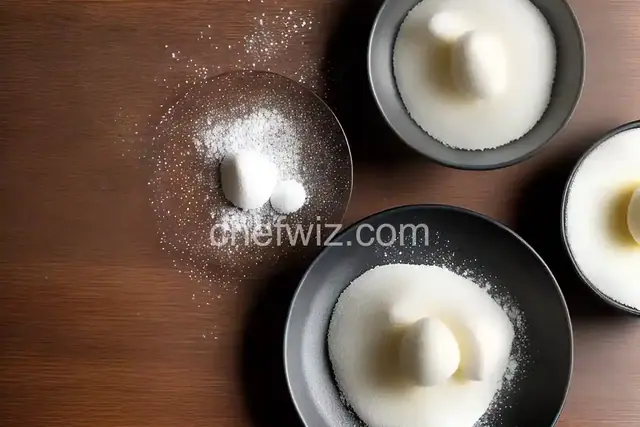 By AprilPublished
 Have you ever marveled at the intricate designs adorning a cake or dessert?
Combine the ingredients in a medium pot.
Use a pastry brush soaked in water to wash down the sides of the pot, ensuring no caramelization occurs before reaching the desired temperature.
Heat the mixture on the stove top until it reaches 300 degrees Fahrenheit, as indicated on a candy thermometer.
Remove the pot from heat and allow the mixture to cool down to 275 degrees Fahrenheit over a water bath.
Take a fork and dip it into the sugar syrup.
Quickly stretch the sugar syrup back and forth across the bottom of a pre-greased bowl.
Gather the spun sugar gently and place it on a dessert plate.
Have you ever marveled at the intricate designs adorning a cake or dessert? Those delicate, wispy strands that seem to defy gravity and capture your attention? That's spun sugar, a confectionery masterpiece that adds both beauty and flavor to any dessert. In this article, we'll explore the art of creating spun sugar, its history, and how you can use it to elevate your culinary creations.
Creating spun sugar is like choreographing a dance between sugar and heat. It requires precision, patience, and a touch of creativity. Just like a skilled dancer, the sugar needs to be heated to the perfect temperature, and then spun and twirled into delicate strands.
Think of it as a ballet performance, where the sugar takes center stage. It starts as a simple syrup, heated and transformed into a molten, amber-colored liquid. As the sugar reaches the ideal temperature, it becomes pliable, like a ballerina in the spotlight.
Once the sugar is ready, it's time to spin. Imagine the sugar as a graceful dancer twirling and pirouetting in mid-air. As it spins, the strands of sugar cool and harden, creating a delicate, ethereal web that can be shaped and molded into intricate designs.
Spun sugar has a rich history that dates back centuries. It was first introduced in the 15th century by Italian cooks who used it to adorn their extravagant desserts. In the French courts of the 17th and 18th centuries, spun sugar became a symbol of wealth and luxury, adorning elaborate pastries and cakes.
Over time, the art of creating spun sugar spread across Europe and beyond, each culture adding its own unique touch. In India, they use a special technique called pashmak to create delicate strands of sugar that resemble fine threads of silk. In China, spun sugar is often shaped into intricate animal and flower designs, showcasing the skill and artistry of the pastry chef.
Today, spun sugar continues to captivate both chefs and diners alike. Its delicate nature and ability to add visual appeal to desserts make it a favorite among pastry enthusiasts. From topping cupcakes and tarts to creating show-stopping centerpieces, the possibilities are endless.
Not only does spun sugar add a touch of elegance to desserts, but it also provides a delightful textural contrast. Imagine biting into a creamy, velvety mousse, only to be met with a delicate crunch of spun sugar. It's a sensory experience that takes your taste buds on an unforgettable journey.
Spun sugar is not just a sweet treat; it's a work of art. From its humble beginnings in Italian kitchens to its prominent place on modern dessert plates, spun sugar continues to captivate and delight. So why not try your hand at this delicate confectionery masterpiece and elevate your culinary creations to new heights?
While it may seem intimidating, with practice and patience, anyone can master the art of creating spun sugar. Just remember to handle the hot sugar with care!
Absolutely! You can infuse the sugar syrup with flavors like vanilla, citrus zest, or even spices to add an extra dimension to your spun sugar creations.
Spun sugar is best enjoyed soon after it's made, as it can become sticky and lose its delicate texture when exposed to humidity. However, you can store it in an airtight container in a cool, dry place for a day or two.
Yes, you can use food coloring to dye spun sugar. Just add a few drops to the sugar syrup before spinning it into strands.
While spun sugar is commonly used in desserts, it can also add a touch of elegance to savory dishes. Try using it as a garnish for a seafood dish or as a decorative element on a salad.
To make spun sugar, you'll need a candy thermometer, a heat-resistant spatula or whisk, and a pair of heat-resistant gloves or tongs to handle the hot sugar.
While a candy thermometer is recommended for precise temperature control, you can still make spun sugar without one. Just keep a close eye on the color and consistency of the sugar syrup as it heats.
Aside from topping desserts, you can use spun sugar to create decorative nests for Easter treats, wrap it around ice cream cones for an added touch of elegance, or even form it into delicate sugar flowers.
AprilCook, recipe developer and the heart of Chefwiz. More about April