Spanish Noodle Paella
Rate this recipeBe the first to rate
 By AprilPublished
 When it comes to iconic Spanish dishes, paella undoubtedly takes the crown.
 By AprilPublished
 When it comes to iconic Spanish dishes, paella undoubtedly takes the crown.
Place 1 tablespoon of water in a cup and mix in saffron.
Heat oil in a large saucepan over medium heat.
Add onion, bell pepper, 3 tablespoons of parsley, and garlic to the saucepan.
Sauté the mixture until the onion is lightly browned, approximately 4 minutes.
Mix in the tomatoes and simmer until almost all of the tomato juices have evaporated, approximately 3 minutes.
Stir in tomato paste, paprika, and the saffron mixture.
The sauce base can be made ahead of time and refrigerated for up to 1 day. Cover and chill.
Bring clam juice to a boil in a large wide pot over medium-high heat.
Add the lobster to the pot, cover, and boil until the lobster turns red, about 4 minutes.
Remove the pot from heat and use tongs to transfer the lobster to a rimmed baking sheet. Reserve the lobster broth in the pot.
Allow the lobster to cool for 15 minutes. Twist the tail off the body and cut it in half lengthwise to remove the meat.
Twist off the claws and split the claw shells with a cleaver to remove the meat. Cut the meat into 1- to 1 1/2-inch pieces.
Strain the juices from the baking sheet into a 4-cup measuring cup. Strain in the broth
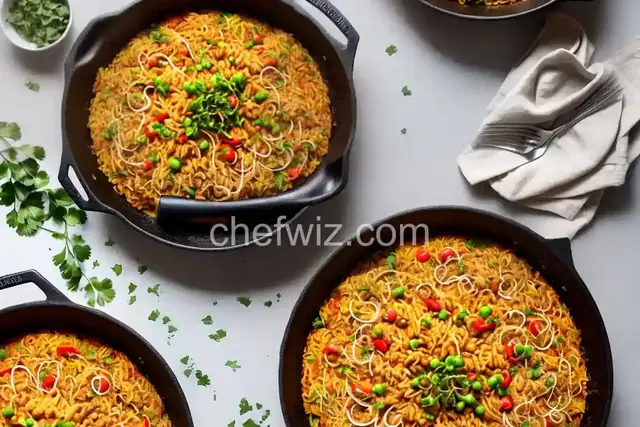
When it comes to iconic Spanish dishes, paella undoubtedly takes the crown. With its vibrant colors, tantalizing aromas, and rich flavors, paella has won the hearts of food lovers across the globe. But have you ever tried a Spanish noodle paella? This delightful twist on the classic dish takes the familiar flavors of paella and combines them with the comforting goodness of noodles. Let's dive into this culinary adventure and discover what makes Spanish noodle paella a must-try dish.
Imagine savoring a plate of perfectly cooked noodles infused with the essence of saffron, smoked paprika, and luscious seafood. Spanish noodle paella encapsulates the soul of traditional paella while introducing an exciting new texture. The noodles soak up all the flavors from the aromatic broth, creating a symphony of taste with each bite.
Just like its rice-based counterpart, Spanish noodle paella boasts an array of fresh ingredients that contribute to its irresistible charm. Succulent shrimp, tender mussels, juicy chicken, and earthy vegetables come together harmoniously, resulting in a dish that appeals to both seafood enthusiasts and meat lovers alike.
Embarking on the journey of making Spanish noodle paella is as exciting as indulging in the final creation. Picture yourself standing in a bustling Spanish market, hand-picking the freshest ingredients for your paella. The aroma of spices fills the air as you gather saffron, paprika, and other essentials that form the backbone of this delectable dish.
Back in your kitchen, you start by sautéing onions, garlic, and bell peppers, releasing their tantalizing fragrance. As the aromas mingle, you add the noodles, allowing them to absorb the flavors of the vegetables and spices. The real magic happens when you pour in the savory broth, infusing every strand of noodle with a burst of taste.
Next comes the star of the show – the seafood or meat. You carefully arrange the shrimp, mussels, chicken, or other proteins on top of the simmering noodles, creating a visually stunning masterpiece. As the paella simmers, the flavors meld together, resulting in a dish that is greater than the sum of its parts.
Creating a memorable Spanish noodle paella requires attention to detail and a touch of finesse. Here are a few tips to help you achieve perfection:
Select noodles that have a similar thickness to traditional paella rice, such as fideo or vermicelli. This ensures a consistent texture and allows the noodles to absorb the flavors evenly.
The broth sets the foundation for the entire dish. Prepare a flavorful broth using seafood or chicken stock, infused with saffron, paprika, and other aromatic spices.
Keep a close eye on the cooking time for the noodles. Overcooking can lead to mushy noodles, while undercooking may result in a crunchy texture. Aim for al dente perfection.
Spanish noodle paella is a delightful twist on the classic dish that brings together the best of both worlds. Its vibrant colors, tantalizing aromas, and rich flavors make it a truly unforgettable culinary experience. So why not embark on this gastronomic adventure and treat yourself to a plate of Spanish noodle paella? Your taste buds will thank you.
Absolutely! While traditional paella noodles are recommended, you can experiment with other types such as angel hair pasta or even ramen noodles for a unique twist.
Not a problem! Spanish noodle paella is incredibly versatile. You can skip the seafood and opt for chicken, chorizo, or even a medley of vegetables for a delicious vegetarian version.
It's best to serve Spanish noodle paella fresh, as the noodles may become soggy if stored for too long. However, you can prepare the ingredients in advance and quickly assemble and cook the dish when ready to serve.
Spanish noodle paella is a complete meal on its own, but if you're looking to complement its flavors, a fresh green salad or crusty bread are excellent choices.
While it's not ideal to freeze cooked noodles, you can refrigerate the leftovers for up to 2-3 days. Reheat gently on the stovetop to maintain the best texture.
Spanish noodle paella is a modern variation of the classic rice-based paella. While it may not be as traditional, it still captures the essence of Spanish flavors and culinary traditions.
Absolutely! Feel free to experiment with a variety of vegetables like peas, artichokes, or roasted red peppers to add your own personal touch to the dish.
Yes, you can easily scale up the recipe to feed a crowd. Just make sure you have a large enough pan to accommodate the increased quantity of ingredients.
AprilCook, recipe developer and the heart of Chefwiz. More about April