Spaghetti with Oil and Garlic (Aglio e Olio)
Rate this recipeBe the first to rate
 By AprilPublished
 Have you ever craved a simple yet flavorful pasta dish that can be whipped up in no time?
 By AprilPublished
 Have you ever craved a simple yet flavorful pasta dish that can be whipped up in no time?
Start by bringing a large pot of cold water to a boil over high heat. Once boiling, generously salt the water.
Add the pasta to the boiling water and cook it for about 8 minutes, stirring occasionally. The pasta should be al dente, tender but not mushy.
While the pasta is cooking, combine the garlic, olive oil, 1 teaspoon of salt, and red pepper flakes in a large skillet. Warm the mixture over low heat, stirring occasionally, until the garlic softens and turns golden. This should take about 8 minutes.
Drain the cooked pasta in a colander set in the sink. Make sure to reserve about 1/4 cup of the cooking water.
Add the drained pasta and the reserved cooking water to the skillet with the garlic mixture. Mix everything well.
If desired, add the parsley and lemon zest to the pasta and garlic mixture. Adjust the seasoning to taste.
Transfer the pasta to a large serving bowl or divide it among 4 to 6 individual dishes.
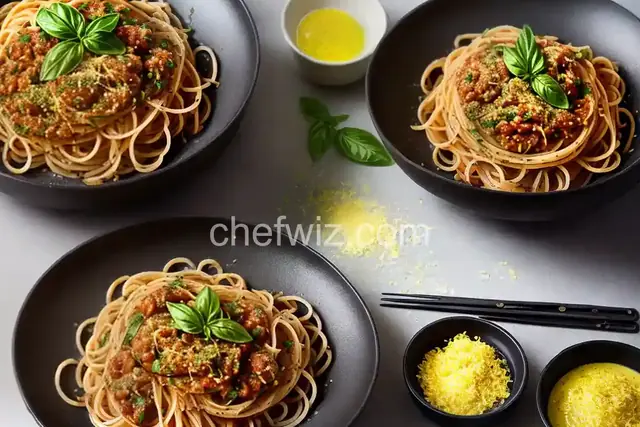
Serve the pasta topped with grated cheese, if desired.
Have you ever craved a simple yet flavorful pasta dish that can be whipped up in no time? Look no further than spaghetti with oil and garlic, also known as Aglio e Olio. This classic Italian dish is a staple in many households and is loved for its simplicity and bold flavors. In this article, we will explore the history of Aglio e Olio, its ingredients, and tips to make the perfect dish. So, let's dive in and discover the magic of this delectable pasta!
Aglio e Olio, which translates to "garlic and oil" in Italian, hails from the southern region of Italy. It is believed to be a dish that originated from the region of Abruzzo, where farmers would make it using ingredients readily available in their pantries. Over time, this humble dish gained popularity throughout Italy and eventually spread across the globe.
To make a perfect plate of Aglio e Olio, you only need a handful of ingredients. The star of the show is, of course, garlic. The cloves are sliced thinly and sautéed in olive oil until golden brown. This creates a fragrant and flavorful base for the dish. Other ingredients include red pepper flakes, which add a subtle heat, and parsley, which provides a fresh and vibrant touch. Finally, the dish is tossed with al dente spaghetti, ensuring a perfect balance of flavors and textures.
Now that we have covered the basics, let's dive into some tips to help you create the perfect Aglio e Olio:
Since this dish relies on a few simple ingredients, it's crucial to use the best quality you can find. Opt for fresh garlic, extra virgin olive oil, and high-quality pasta to elevate the flavors.
The garlic is the star of this dish, so don't be shy! Slicing the garlic thinly ensures it cooks evenly and releases its aromatic flavors without overpowering the dish.
If you prefer a milder flavor, reduce the amount of red pepper flakes. Conversely, if you love a spicy kick, feel free to add more. Remember, it's all about personal preference!
Al dente, meaning "to the tooth" in Italian, refers to pasta that is cooked just enough to retain a slight firmness when bitten. This texture ensures a satisfying bite and prevents the pasta from becoming mushy.
A sprinkle of fresh parsley adds a burst of vibrant color and freshness to the dish. It also balances the richness of the garlic and oil.
By following these tips, you'll be well on your way to creating a delicious plate of Aglio e Olio that will impress your family and friends!
Spaghetti with oil and garlic, or Aglio e Olio, is a timeless classic that never fails to satisfy. With its simple yet bold flavors, it's no wonder this dish has stood the test of time. Whether you're a seasoned cook or a beginner in the kitchen, Aglio e Olio is a dish that anyone can master. So, gather your ingredients, roll up your sleeves, and get ready to enjoy a plate of pasta perfection!
While spaghetti is the traditional choice for Aglio e Olio, you can experiment with other types of pasta such as linguine or fettuccine. Just remember to adjust the cooking time accordingly.
Absolutely! Aglio e Olio is a versatile dish that can be customized to suit your taste. You can add ingredients like sautéed mushrooms, cherry tomatoes, or even shrimp to elevate the flavors.
Yes, Aglio e Olio is a vegetarian dish as it does not contain any meat or animal products. However, some variations may include the addition of anchovies, so be sure to check the recipe if you're following a strict vegetarian diet.
Aglio e Olio is best enjoyed fresh, as the flavors are at their peak. However, if you have leftovers, you can store them in an airtight container in the refrigerator for up to 3 days.
Yes, you can make Aglio e Olio gluten-free by using gluten-free pasta. There are many options available in stores, made from ingredients like rice, corn, or quinoa.
While fresh parsley adds a vibrant flavor and color, you can use dried parsley if it's more convenient. Just remember to use it sparingly, as dried herbs are more potent than fresh ones.
Traditionally, Aglio e Olio does not include cheese. However, if you enjoy the combination of garlic, oil, and cheese, you can sprinkle some grated Parmesan or Pecorino Romano on top before serving.
Olive oil is an essential component of Aglio e Olio, as it contributes to the dish's distinct flavor. However, if you don't have olive oil on hand, you can use another type of neutral-tasting oil, such as vegetable or canola oil, as a substitute.
AprilCook, recipe developer and the heart of Chefwiz. More about April