Spaghetti Italian
Rate this recipeBe the first to rate
 By AprilPublished
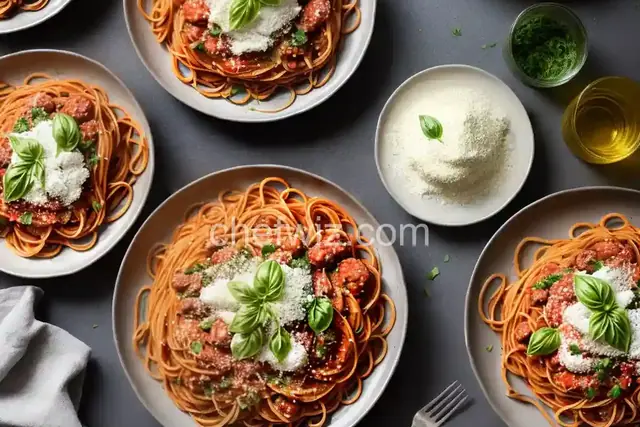
 When it comes to classic Italian cuisine, few dishes can rival the beloved spaghetti.
 By AprilPublished
 When it comes to classic Italian cuisine, few dishes can rival the beloved spaghetti.
In a large skillet, cook the sausage on medium heat until browned. Remove from heat and drain the excess fat. Set aside.
In a large saucepan, combine the tomato sauce, diced tomatoes, bay leaves, Italian seasoning, garlic powder, basil, oregano, salt, pepper, and cooked sausage. Stir well to mix all the ingredients together.
Simmer the sauce over medium-low heat for at least one hour. For the best flavor, it is recommended to simmer the sauce all day.
In a separate large pot, bring lightly salted water to a boil.
Add the pasta to the boiling water and cook for 8 to 10 minutes, or until it is cooked al dente.
Drain the cooked pasta.
Mix the hot pasta with the prepared sauce.
Serve and enjoy.
When it comes to classic Italian cuisine, few dishes can rival the beloved spaghetti. With its long, thin strands of pasta covered in a rich, flavorful sauce, spaghetti has become a staple in households around the world. In this article, we will delve into the origins of spaghetti, explore its various variations, and discover why it has become such a beloved dish. So, grab a fork and get ready to dive into the world of spaghetti Italian!
Have you ever wondered where spaghetti actually comes from? Well, legend has it that Marco Polo brought this delectable dish back to Italy from his travels in China. However, historical evidence suggests that pasta, including spaghetti, was already being enjoyed in Italy long before Polo's adventures. The Italians have truly perfected the art of pasta-making, and spaghetti is no exception.
One of the things that sets spaghetti apart is the variety of sauces that can accompany it. From the classic marinara sauce to the creamy carbonara, there is a sauce to suit every palate. The key to a great spaghetti sauce lies in the quality of the ingredients and the slow-cooked flavors that meld together to create a mouthwatering masterpiece. Whether you prefer a simple tomato-based sauce or a more complex meat ragu, the options are endless.
When cooking spaghetti, achieving the perfect texture is crucial. Italians have a saying: "al dente," which means "to the tooth." This refers to pasta that is cooked just enough to retain a slight firmness when bitten into. Overcooking can result in mushy spaghetti, while undercooking can leave it too hard. Finding that delicate balance is key to enjoying a satisfying plate of spaghetti.
While the classic spaghetti with marinara sauce is a timeless favorite, there are countless variations of this dish that have emerged over the years. For seafood lovers, there is spaghetti alle vongole, which features clams and a garlic-infused sauce. For those who enjoy a touch of spice, spaghetti arrabbiata with its fiery tomato sauce is a perfect choice. And let's not forget about spaghetti aglio e olio, a simple yet incredibly flavorful dish made with garlic, olive oil, and chili flakes.
Perhaps one of the most popular spaghetti dishes worldwide is spaghetti Bolognese. This hearty dish features a rich meat sauce typically made with ground beef, onions, carrots, celery, tomatoes, and a splash of red wine. It's a true comfort food that warms the soul and leaves you craving more. Served with a generous sprinkle of Parmesan cheese, it's no wonder that spaghetti Bolognese has won the hearts of pasta lovers everywhere.
When it comes to enjoying spaghetti Italian, finding the perfect wine pairing can elevate the dining experience to new heights. A light and fruity red wine, such as Chianti or Barbera, complements the acidity of the tomato-based sauces, while a dry white wine like Pinot Grigio or Vermentino pairs beautifully with seafood-based spaghetti dishes. The right wine can enhance the flavors of the dish and create a harmonious balance on your palate.
In conclusion, spaghetti Italian is more than just a meal; it represents a rich culinary tradition that has captivated taste buds for centuries. From its humble origins to its various delicious variations, spaghetti has become a beloved dish enjoyed by people all over the world. So, the next time you sit down to a plate of spaghetti, take a moment to appreciate the history and craftsmanship that goes into each mouthwatering bite.
No, while spaghetti is often associated with Italian cuisine, it is believed to have originated in ancient China and was brought to Italy centuries ago.
While spaghetti is traditionally made with long, thin strands of pasta, you can experiment with different types of pasta shapes to create unique variations of spaghetti dishes.
Cooking spaghetti al dente involves boiling it in salted water for the recommended cooking time stated on the package, then testing it for firmness before draining.
Absolutely! You can enjoy spaghetti Italian with vegetarian-friendly sauces such as marinara, pesto, or a creamy mushroom sauce.
Yes, leftover spaghetti can be frozen for future meals. Simply allow it to cool completely, portion it into airtight containers, and store it in the freezer.
Common toppings for spaghetti Italian include grated Parmesan cheese, fresh basil, chopped parsley, or a drizzle of extra virgin olive oil.
You can enhance the flavor of your spaghetti sauce by adding ingredients such as garlic, onions, herbs, spices, and a splash of red wine.
Yes, there are numerous gluten-free pasta options available that can be used to make delicious gluten-free spaghetti dishes.
AprilCook, recipe developer and the heart of Chefwiz. More about April