Spaghetti and Turkey Meatballs
Rate this recipeBe the first to rate
 By AprilPublished
 Have you ever craved a hearty and comforting meal that satisfies your taste buds without weighing you down?
 By AprilPublished
 Have you ever craved a hearty and comforting meal that satisfies your taste buds without weighing you down?
Heat the olive oil in a large saucepan over medium heat.
Cook the smashed garlic in the oil for 1 minute.
Add the tomatoes along with their juice to the saucepan.
Pour in 2 cups of water.
Stir in 1/4 cup of basil.
If using, add the parmesan rind.
Season with salt and pepper to taste.
Bring the mixture to a boil, then reduce the heat and let it simmer for about 8 minutes or until it thickens.
Remove the parmesan rind (if used) from the saucepan.
Finely chop the remaining 1/4 cup of basil.
In a separate bowl, combine the chopped basil, turkey, parsley, bread, ricotta, parmesan, egg white, minced garlic, 1/2 teaspoon salt, and pepper to taste.
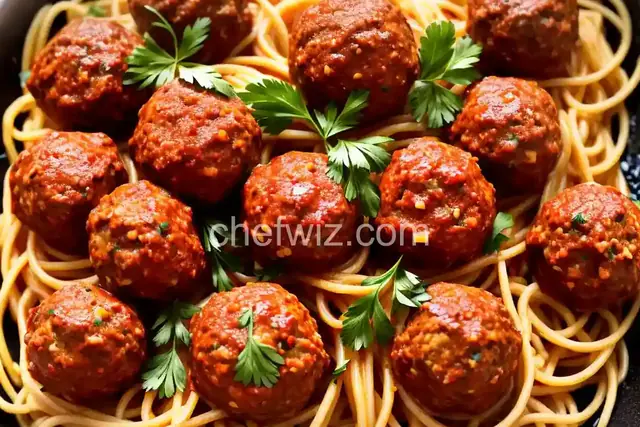
Mix the ingredients together using your hands to form either 4 large or 12 small meatballs.
Add the meatballs to the saucepan with the sauce.
Simmer and turn the meatballs until they are fully cooked - approximately 6 minutes for small meatballs and 12 minutes for large.
While the meatballs are cooking, prepare the spaghetti according to the package instructions in a large pot of salted boiling water.
Drain the cooked spaghetti and return it to the pot.
17
Have you ever craved a hearty and comforting meal that satisfies your taste buds without weighing you down? Look no further than spaghetti and turkey meatballs! This delightful twist on a classic dish combines the rich flavors of Italian cuisine with the health benefits of lean turkey. In this article, we will explore the origins of spaghetti and meatballs, the benefits of using turkey instead of beef, and share some tips for creating the perfect plate of spaghetti and turkey meatballs. Let's dive in!
Spaghetti and meatballs, a beloved dish in Italian-American cuisine, has a fascinating history. While it is commonly associated with Italy, the dish as we know it today actually originated in the United States. Italian immigrants brought their culinary traditions to America, where the combination of pasta and meatballs became popular. Over time, spaghetti and meatballs became a staple in Italian-American households and eventually found its way onto menus in Italian restaurants across the country.
Traditionally, meatballs are made with ground beef, but using turkey instead offers several advantages. Turkey is a lean protein that is lower in fat and calories compared to beef, making it a healthier option for those watching their waistline. Furthermore, turkey meatballs are just as flavorful and juicy as their beef counterparts, especially when seasoned with a blend of herbs and spices. So, why not give your taste buds a treat while also taking care of your health?
Now that we've covered the basics, let's dive into the nitty-gritty of cooking the perfect plate of spaghetti and turkey meatballs. Here are some tips to help you achieve culinary excellence:
Spaghetti and turkey meatballs offer a delicious and healthier twist on a classic dish. With the right ingredients and techniques, you can create a plate of spaghetti and turkey meatballs that will impress your taste buds and keep your waistline in check. So, why not embark on a culinary adventure and give this delightful dish a try? Your taste buds will thank you!
Yes, absolutely! Ground chicken can be used as a delicious substitute for turkey in meatballs. Feel free to experiment with different flavors and seasonings to create your own unique twist on the dish.
Yes, it is! There are various gluten-free pasta options available on the market, such as those made from brown rice or quinoa. Additionally, you can use gluten-free breadcrumbs or oats as a binder for the meatballs.
Absolutely! Cooked meatballs can be frozen for up to three months. Simply allow them to cool completely, then place them in a freezer-safe container or bag. When you're ready to enjoy them, thaw them in the refrigerator overnight and reheat as desired.
Absolutely! There are many vegetarian meatball recipes available that use ingredients like lentils, mushrooms, or chickpeas as a base. These alternatives offer a similar texture and can be just as flavorful as traditional meatballs.
Yes, you can! Whole wheat pasta is a nutritious alternative to regular spaghetti, as it contains more fiber and essential nutrients. It adds a nutty flavor and slightly chewy texture to your dish.
Classic marinara sauce is a popular choice, but you can also experiment with other sauces like Alfredo, pesto, or even a spicy arrabbiata sauce. The choice of sauce depends on your personal preference and taste.
Yes, you can! You can prepare the meatballs in advance and refrigerate them until you're ready to cook. This can save you time and make meal preparation a breeze.
Absolutely! There are many vegetarian meatball recipes available that use ingredients like lentils, mushrooms, or chickpeas as a base. These alternatives offer a similar texture and can be just as flavorful as traditional meatballs.
AprilCook, recipe developer and the heart of Chefwiz. More about April