Spaghetti and Broccoli Aglio Olio
Rate this recipeBe the first to rate
 By AprilPublished
 Are you looking for a quick and easy pasta dish that's bursting with flavor?
 By AprilPublished
 Are you looking for a quick and easy pasta dish that's bursting with flavor?
Boil a pot of salted water and add the broccoli florets. Cook them until they are firm to the bite, which should take about 3 to 4 minutes.
Prepare a bowl of ice water and remove the cooked florets from the pot, keeping the cooking water aside. Place the florets in the ice water to halt the cooking process. Then, remove them from the ice water and pat them dry.
Place the spaghetti in the same pot of boiling water. Cook until it is firm to the bite, which should take approximately 8 minutes.
While the spaghetti is cooking, heat oil in a large skillet over medium-low heat. Add the sliced broccoli stems, red pepper flakes, and garlic to the skillet. Sprinkle with salt. Cook until the garlic becomes lightly toasted and emits a fragrant aroma, which should take about 8 minutes.
Add the cooked florets to the skillet and toss them to ensure they are coated and warmed through.
Drain the cooked spaghetti in a colander placed in the sink. Add the drained spaghetti to the skillet. Increase the heat to medium-high. Toss the ingredients together and taste to see if any additional seasoning is needed.
Transfer the pasta to a large serving bowl. Squeeze lemon juice over the top and sprinkle with Parmigiano-Reggiano. Serve and enjoy.
Are you looking for a quick and easy pasta dish that's bursting with flavor? Look no further than spaghetti and broccoli aglio olio! This classic Italian dish is not only delicious but also incredibly simple to make. In this article, we'll explore the wonders of this dish and discover why it's a favorite among pasta lovers worldwide.
At its core, aglio olio is a traditional Italian pasta dish that consists of just a few simple ingredients: spaghetti, garlic, olive oil, and chili flakes. Despite its simplicity, this dish packs a punch in terms of flavor. The garlic-infused olive oil creates a rich and fragrant base, while the chili flakes add a subtle kick that elevates the dish to a whole new level.
But what makes aglio olio truly magical is its versatility. You can easily customize this dish to suit your preferences by adding various ingredients such as broccoli, mushrooms, or even shrimp. The possibilities are endless, allowing you to create a unique flavor profile every time.
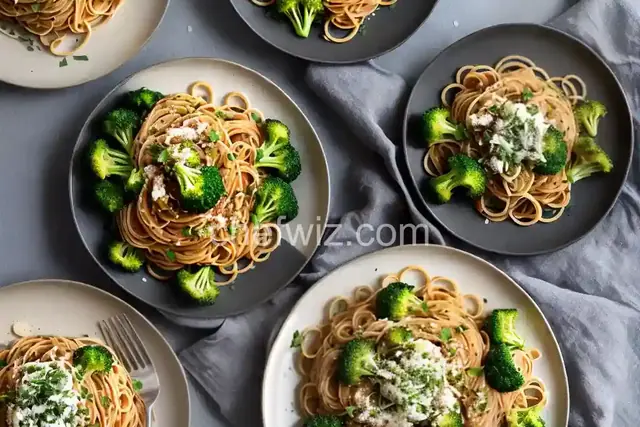
When it comes to pairing aglio olio with a vegetable, broccoli takes the crown. The earthy and slightly bitter flavor of broccoli complements the garlicky olive oil perfectly, creating a harmonious combination that will leave your taste buds wanting more. Not to mention, the vibrant green color of the broccoli adds a pop of freshness to the dish, making it visually appealing as well.
Preparing spaghetti and broccoli aglio olio is a breeze. Simply cook your spaghetti until al dente, sauté some garlic in olive oil until golden, add chili flakes for a kick, and toss in the blanched broccoli. Combine everything together, and voila! You have a mouthwatering pasta dish that's ready to be devoured.
Yes, you can! While spaghetti is the traditional choice, you can experiment with other pasta shapes such as linguine, fettuccine, or penne. The key is to choose a pasta shape that can hold the garlic-infused olive oil well.
Although cheese is not traditionally added to aglio olio, you can certainly sprinkle some grated Parmesan or Pecorino Romano on top if you desire. The salty and nutty flavors of the cheese complement the dish nicely.
Of course! If you prefer a milder version of aglio olio, you can omit the chili flakes altogether. However, keep in mind that the chili flakes add a subtle heat that enhances the overall flavor of the dish.
Absolutely! While broccoli is a popular choice, you can get creative and add other vegetables such as cherry tomatoes, spinach, or bell peppers. Just make sure to choose vegetables that can withstand the heat of sautéing.
Yes, aglio olio is a vegetarian dish as it only contains plant-based ingredients. However, if you're following a vegan diet, make sure to use vegan-friendly pasta.
Aglio olio is best enjoyed immediately after cooking. The flavors are at their peak when the dish is freshly made, so it's recommended to serve it right away.
To make aglio olio gluten-free, simply substitute regular spaghetti with gluten-free spaghetti or any other gluten-free pasta of your choice. The rest of the ingredients remain the same.
Absolutely! If you want to add some protein to your aglio olio, you can toss in cooked shrimp, grilled chicken, or even crispy bacon. These additions will take the dish to a whole new level of deliciousness.
So, the next time you're in need of a quick and flavorful pasta dish, give spaghetti and broccoli aglio olio a try. With its simple ingredients and endless customization options, it's no wonder this dish has become a staple in kitchens around the world.
Now go forth and create your own culinary masterpiece!
AprilCook, recipe developer and the heart of Chefwiz. More about April