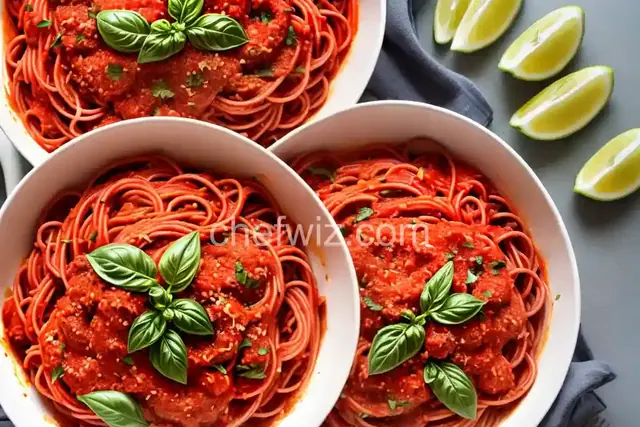
Spaghetti al Pomodoro Crudo: A Burst of Freshness
Who doesn't love a plate of delicious spaghetti? And when it comes with a no-cook raw tomato sauce, it's like a burst of freshness on a hot summer day. Spaghetti al Pomodoro Crudo is a classic Italian dish that perfectly combines simplicity and flavor. In this article, we will explore the wonders of this recipe and learn how to make it at home.
The Beauty of Raw Tomato Sauce
Imagine a sauce made with the freshest tomatoes, ripe and bursting with flavor. Now, imagine that sauce tossed with perfectly cooked spaghetti, creating a harmony of taste and texture. That's exactly what you get with Spaghetti al Pomodoro Crudo. By using raw tomatoes, the sauce retains all its natural flavors and vibrant colors. It's like a celebration of summer on your plate.
One of the best things about this recipe is its simplicity. With just a handful of ingredients, you can create a dish that tastes like it came straight from an Italian trattoria. All you need is fresh tomatoes, garlic, basil, olive oil, salt, and pepper. The magic lies in the quality of the ingredients and how they come together to create a symphony of flavors.
Choosing the Perfect Tomatoes
To make the best Spaghetti al Pomodoro Crudo, it's essential to choose the right tomatoes. Look for ripe tomatoes that are firm, juicy, and full of aroma. Heirloom tomatoes or vine-ripened tomatoes are excellent choices. Avoid using tomatoes that are too soft or overripe, as they might turn mushy when mixed with the pasta.
Making Spaghetti al Pomodoro Crudo: Step by Step
Now that we have all the ingredients ready, let's dive into the process of making this mouthwatering dish.
1Step 1Prepare the Tomatoes
Start by washing the tomatoes thoroughly and removing the core. Then, chop them into small pieces or dice them, depending on your preference. Remember to save any juices that accumulate while cutting the tomatoes, as they are full of flavor.
Pro tip:
To remove the skin from the tomatoes easily, score an "X" on the bottom of each tomato, blanch them in boiling water for a few seconds, and then transfer them to an ice bath. The skin will peel off effortlessly.
2Step 2Add the Garlic and Basil
Finely chop a clove of garlic and a handful of fresh basil leaves. These ingredients will add a delightful aroma and depth of flavor to the sauce. You can adjust the amount of garlic and basil according to your taste preferences.
3Step 3Combine the Ingredients
In a bowl, mix the chopped tomatoes, garlic, and basil. Drizzle some extra virgin olive oil over the mixture and season with salt and pepper. Toss everything together gently, ensuring that the flavors are well combined. Let the sauce sit for a few minutes to allow the flavors to marry.
Serving and Enjoying Spaghetti al Pomodoro Crudo
Now that the sauce is ready, it's time to cook the spaghetti. Follow the instructions on the package to achieve the perfect al dente texture. Once cooked, drain the pasta and transfer it to a serving dish. Pour the raw tomato sauce over the spaghetti and toss well to coat every strand. Garnish with fresh basil leaves and a drizzle of olive oil.
Spaghetti al Pomodoro Crudo is best enjoyed immediately while the flavors are at their peak. Serve it as a light lunch or a refreshing dinner. This dish pairs wonderfully with a glass of chilled white wine, allowing you to fully savor the flavors of summer.
In Conclusion
Spaghetti al Pomodoro Crudo is a delightful dish that showcases the beauty of simplicity. With just a handful of fresh ingredients, you can create a burst of flavors that will transport you straight to Italy. Whether you're a seasoned cook or a beginner in the kitchen, this recipe is sure to impress. So why wait? Grab some ripe tomatoes and get ready to savor a plateful of summertime bliss!
Frequently asked questions
- . Can I use canned tomatoes instead of fresh ones?
While it's always preferable to use fresh tomatoes for the raw sauce, you can use canned tomatoes in a pinch. However, keep in mind that the flavor and texture might differ.
- . Can I add other ingredients to the sauce?
Absolutely! Feel free to experiment with additional ingredients like olives, capers, or even a sprinkle of red pepper flakes to give the sauce a little kick.
- . Can I use a different type of pasta?
Though spaghetti is the traditional choice, you can use any type of pasta you prefer. Fusilli, linguine, or penne all work well with the raw tomato sauce.
- . How long can I store the leftover sauce?
The raw tomato sauce is best enjoyed fresh. However, if you have any leftovers, store them in an airtight container in the refrigerator for up to 2 days. Just note that the flavors might not be as vibrant after being stored.
- . Can I add cheese to the dish?
While it's not traditional to add cheese to Spaghetti al Pomodoro Crudo, you can certainly sprinkle some freshly grated Parmesan or pecorino on top if you'd like. It adds a lovely savory note.
- . Is this dish suitable for vegetarians and vegans?
Yes, Spaghetti al Pomodoro Crudo is a vegetarian and vegan-friendly dish. Just ensure that the pasta you use is also vegan-friendly.
- . Can I make the sauce ahead of time?
It's best to make the sauce just before serving to preserve its freshness. However, you can chop the tomatoes and prepare the garlic and basil in advance to save time.
- . Can I freeze the raw tomato sauce?
Freezing the raw tomato sauce is not recommended, as the texture of the tomatoes might become watery and lose their freshness when thawed.
 By AprilPublished