Soy Butter Sauce
Rate this recipeBe the first to rate
 By AprilPublished
 Have you ever wondered how a simple blend of soy sauce and butter can elevate your dishes to a whole new level?
 By AprilPublished
 Have you ever wondered how a simple blend of soy sauce and butter can elevate your dishes to a whole new level?
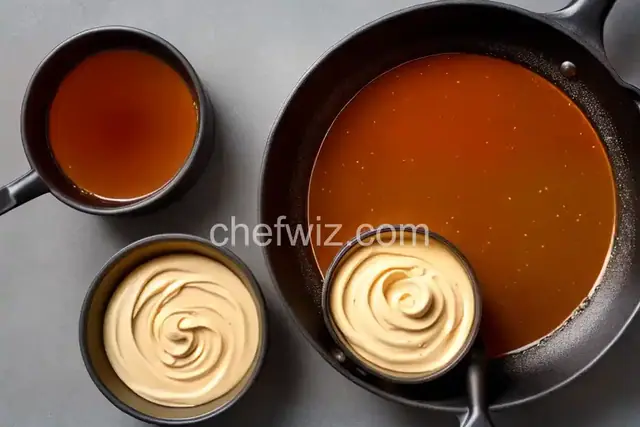
Begin by heating the oyster sauce and soy sauce until they reach a boiling point.
Once boiling, you can proceed to whisk in the butter until it is well combined.
Have you ever wondered how a simple blend of soy sauce and butter can elevate your dishes to a whole new level? If you're a food enthusiast searching for a flavor-packed condiment, then say hello to soy butter sauce! In this article, we'll dive deep into the delicious world of this versatile sauce, exploring its origins, uses, and why it's become a must-have in every kitchen.
Like many culinary inventions, soy butter sauce is a happy accident that originated in the bustling kitchens of Japan. It was the result of a creative chef’s experiment, merging the umami-rich flavors of soy sauce with the indulgent creaminess of butter. This unlikely combination quickly gained popularity, spreading its delectable influence across Asian cuisine and beyond.
Soy butter sauce is a culinary chameleon, effortlessly complementing a wide range of dishes. Its rich, savory profile adds depth to stir-fries, noodles, grilled meats, and even roasted vegetables. The umami notes from the soy sauce merge harmoniously with the lusciousness of butter, creating a symphony of flavors that will leave your taste buds dancing with delight.
Imagine a sizzling steak, perfectly seared and basted with a glaze of soy butter sauce. As the sauce melts into the meat, it imparts a luxurious silkiness and a burst of umami, transforming an already delicious dish into a culinary masterpiece. The marriage of soy sauce and butter adds a velvety richness that elevates each bite to new heights.
One of the greatest advantages of soy butter sauce is its simplicity. With just two ingredients, it's incredibly easy to prepare and customize to your liking. Whether you prefer a stronger soy flavor or a creamier buttery note, you have full control over the nuances of the sauce.
Moreover, soy butter sauce can be tailored to suit various dietary preferences. By using gluten-free soy sauce and dairy-free butter alternatives, you can enjoy the incredible flavors of this sauce without compromising your dietary restrictions.
While the classic soy butter sauce is a delightful blend of soy sauce and butter, adventurous cooks have taken it a step further by adding their own unique twists. Some incorporate garlic for an aromatic boost, while others infuse it with chili for a fiery kick. The possibilities are endless, allowing you to create a signature soy butter sauce that perfectly complements your favorite dishes.
Soy butter sauce is a culinary gem that adds an irresistible touch to a variety of dishes. With its enchanting blend of soy sauce and butter, it enhances the flavors and elevates your culinary creations to new heights. Whether you're a seasoned chef or an enthusiastic home cook, exploring the world of soy butter sauce will undoubtedly open up a world of possibilities in your kitchen. So, grab your soy sauce and butter, and embark on a flavor-filled adventure!
Yes, vegetarians can enjoy soy butter sauce by using plant-based butter alternatives.
Absolutely! Low-sodium soy sauce works just as well and allows you to control the saltiness of the sauce.
Soy butter sauce can be stored in an airtight container in the refrigerator for up to two weeks.
Yes, soy butter sauce freezes well. Divide it into portions and store in freezer-safe containers for up to three months.
While soy butter sauce is primarily used in savory dishes, some adventurous bakers have experimented with incorporating it into sweet treats with delicious results.
Traditional soy sauce contains gluten, but gluten-free alternatives are readily available, making it suitable for those with gluten sensitivities.
Yes, margarine can be used as a substitute for butter in soy butter sauce.
Soy butter sauce can be drizzled over popcorn, used as a dip for dumplings, or even added to mashed potatoes for a unique twist.
AprilCook, recipe developer and the heart of Chefwiz. More about April