Southern Cornbread
Rate this recipeBe the first to rate
 By AprilPublished
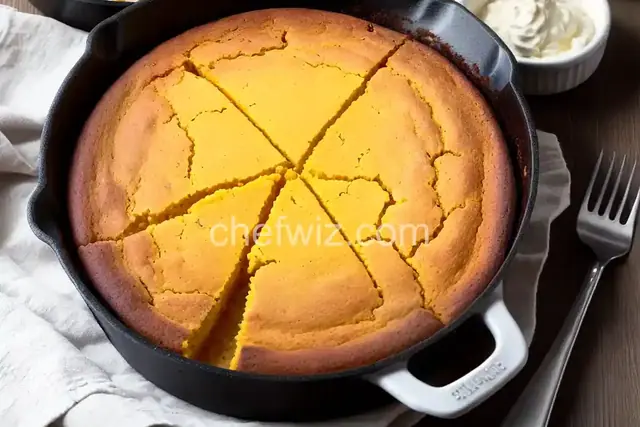
Cornbread is a beloved staple in Southern cuisine. Its golden, crumbly texture and rich, buttery flavor make it the perfect accompaniment to any meal.
 By AprilPublished
Cornbread is a beloved staple in Southern cuisine. Its golden, crumbly texture and rich, buttery flavor make it the perfect accompaniment to any meal.
Preheat the oven to 425 degrees F and position a rack in the middle.
Grease an 8-inch-square baking pan with butter.
In a microwave-safe dish or small pan on the stove, melt the butter in three 15-second intervals on high or until completely melted. Allow it to cool.
In a bowl, combine the flour, cornmeal, baking powder, baking soda, and salt. Whisk together.
In a large bowl, whisk together the buttermilk and eggs. Add the melted butter and mix well.
Gradually add the flour-cornmeal mixture to the buttermilk mixture, stirring just until combined.
Pour the batter into the greased baking pan.
Bake in the preheated oven for 18 to 23 minutes, or until the cornbread is lightly browned and a toothpick inserted into the center comes out clean.
Allow the cornbread to cool for approximately 10 minutes before serving.
Cornbread is a beloved staple in Southern cuisine. Its golden, crumbly texture and rich, buttery flavor make it the perfect accompaniment to any meal. Whether you're serving it alongside a bowl of chili or enjoying it on its own, Southern cornbread is sure to satisfy your taste buds. In this article, we'll explore the history of cornbread, its regional variations, and tips for making the perfect batch. So, grab your apron and let's get started!
Cornbread has a long and storied history in the United States. It can be traced back to Native American cultures, who were using corn as a staple crop long before the arrival of European settlers. The Native Americans ground corn into a fine powder, known as cornmeal, which became the main ingredient in their bread.
When European settlers arrived in America, they quickly adopted cornbread as a staple in their own diets. The ingredients were simple and readily available, making it an economical choice for early settlers. Over time, cornbread evolved and adapted to the different regions of the United States, resulting in unique variations across the country.
Just like barbecue and fried chicken, cornbread has regional variations that reflect the unique flavors and culinary traditions of different areas in the South. In the Carolinas, for example, cornbread is often made with a combination of cornmeal and flour, resulting in a lighter texture. In contrast, cornbread in Texas tends to be sweeter and moister, thanks to the addition of ingredients like sugar and buttermilk.
In the Appalachian region, cornbread is typically cooked in a cast-iron skillet, resulting in a crunchy, golden crust. The addition of bacon drippings or lard gives it a distinct flavor that pairs perfectly with hearty dishes like beans and greens. No matter where you are in the South, you're sure to find a unique twist on this classic bread.
Making cornbread from scratch is easier than you might think. Here are a few tips to ensure your cornbread turns out perfectly every time:
By following these tips, you'll be well on your way to making a batch of cornbread that would make any Southern grandmother proud.
Yes, you can use self-rising cornmeal for cornbread. Just be sure to adjust the amount of leavening agents, like baking powder or baking soda, in your recipe accordingly.
Yes, you can make cornbread without eggs. There are several egg substitutes you can use, such as applesauce, mashed bananas, or yogurt, to achieve a similar texture and binding effect.
To store leftover cornbread, wrap it tightly in foil or plastic wrap and keep it at room temperature for up to three days. Alternatively, you can freeze it for up to three months.
Yes, you can make cornbread gluten-free by using a combination of gluten-free flours, such as corn flour, rice flour, or almond flour. Just be sure to check that all your ingredients are gluten-free.
Yes, you can make cornbread without a cast-iron skillet. Simply use a baking dish or cake pan instead. Just keep in mind that the texture and crust may be slightly different.
To make your cornbread less crumbly, try adding an extra egg or a tablespoon of oil to the batter. These ingredients will help bind the cornbread together and create a more cohesive texture.
Yes, you can make cornbread with a sweet cornbread mix. Just follow the instructions on the package, and feel free to add any extra ingredients or toppings to enhance the flavor.
The baking time for cornbread can vary depending on the recipe and the size of your baking dish. In general, it takes about 20-25 minutes to bake cornbread in a preheated oven at 400°F (200°C). Keep an eye on it and test for doneness by inserting a toothpick into the center - if it comes out clean, your cornbread is ready.
Yes, you can make cornbread with milk instead of buttermilk. However, keep in mind that buttermilk adds a tangy flavor and helps tenderize the cornbread. If using milk, you may want to add a tablespoon of vinegar or lemon juice to mimic the acidity of buttermilk.
Yes, you can make cornbread without sugar. Traditional Southern cornbread recipes typically do not include sugar, but if you prefer a sweeter cornbread, feel free to add a tablespoon or two to the batter.
Yes, you can make cornbread with whole wheat flour. Just keep in mind that the texture and flavor may be slightly different compared to using all-purpose flour. You may need to adjust the amount of liquid in the recipe to achieve the desired consistency.
AprilCook, recipe developer and the heart of Chefwiz. More about April