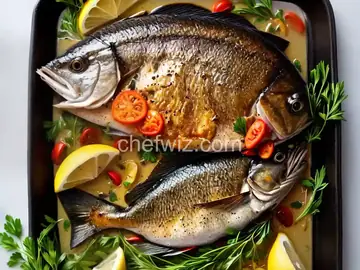
Sous Vide Tuna Recipe
Rate this recipeBe the first to rate
 By AprilPublished
 Have you ever wondered how professional chefs achieve that perfectly tender, melt-in-your-mouth texture when cooking tuna?
 By AprilPublished
 Have you ever wondered how professional chefs achieve that perfectly tender, melt-in-your-mouth texture when cooking tuna?
Sprinkle salt and pepper generously on all sides of the tuna.
Place the tuna in a zipper-lock bag, ensuring it is in a single layer. If using two smaller bags, divide the tuna between them. Add olive oil to the bag(s) and coat the tuna. If desired, add aromatics to the bag(s). Close the bag(s) and refrigerate for at least 30 minutes or overnight.
Preheat a water bath according to the provided chart using a precision cooker. Remove air from the zipper-lock bag(s) by almost sealing them, leaving about an inch open. Slowly lower the bag(s) into the water bath, allowing the water pressure to force out the air. Seal the bag(s) completely just before they are fully submerged. Use a rack or binder clip to secure the bag(s) to the side of the cooking vessel to prevent excessive movement.
Cook the tuna for 30 to 45 minutes if the steaks are 1-inch thick or less, or 45 minutes to an hour for steaks between 1 and 2 inches. Carefully remove the tuna from the bag(s) and place it on a double layer of paper towels. Discard the aromatics and gently pat the top of the tuna with more paper towels.
Wrap the tuna in plastic wrap and refrigerate for at least 2 hours or overnight. Serve rare tuna as sashimi or use well-done tuna as a substitute for
Have you ever wondered how professional chefs achieve that perfectly tender, melt-in-your-mouth texture when cooking tuna? The secret lies in sous vide cooking. By using precise temperature control in a water bath, you can elevate your tuna to a whole new level of culinary delight. In this article, we will explore the art of sous vide cooking and discover the wonders it can do for tuna.
Imagine a world where you can cook tuna to perfection, every single time. With sous vide, that dream becomes a reality. By vacuum-sealing the tuna and immersing it in a water bath kept at a consistent temperature, you can achieve that elusive balance of tenderness and flavor.
Unlike traditional cooking methods like grilling or pan-searing, which can easily overcook the delicate flesh of the tuna, sous vide allows for precise control over the cooking process. The low and slow approach ensures that the tuna retains its moisture and doesn't end up dry and rubbery.
Let's dive into the nitty-gritty of sous vide cooking. First, you'll need a sous vide machine or immersion circulator. These devices heat and circulate water to maintain a specific temperature. Simply set the desired temperature for your tuna, and the machine will do the rest.
Next, season your tuna with your favorite herbs, spices, and marinades. The vacuum-sealing process helps the flavors penetrate the fish, resulting in a more intense taste experience. Don't be afraid to get creative with your marinades – experiment with citrusy blends or savory herb combinations.
Now comes the crucial part – choosing the perfect temperature for your tuna. It all depends on your desired level of doneness. For a medium-rare tuna steak, set the sous vide machine to 130°F (54°C). If you prefer a more well-done tuna, you can increase the temperature accordingly.
Once you've sealed the tuna in a vacuum bag, immerse it in the preheated water bath. Let it cook for an hour or two, depending on the thickness of the steak. This slow and gentle cooking method ensures that the tuna cooks evenly from edge to edge.
After the sous vide process is complete, your tuna is almost ready to be enjoyed. However, there's one final step that will elevate your dish to new heights – a quick sear. Heat up a skillet or grill pan until it's smoking hot, then sear the tuna for just a minute on each side. This will give your tuna a beautiful caramelized crust while preserving its tender interior.
Now, it's time to savor the fruits of your labor. Cut into the tuna steak, and you'll be greeted with a buttery, melt-in-your-mouth texture that is sure to impress even the most discerning palates.
Sous vide cooking opens up a world of culinary possibilities, and tuna is no exception. With the precise temperature control that sous vide provides, you can achieve a level of tenderness and flavor that will leave your taste buds dancing with joy. So, why not embark on a delightful culinary adventure and try sous vide tuna today?
Yes, sous vide cooking is safe when proper food safety practices are followed. By cooking the tuna at a precise temperature and time, harmful bacteria are eliminated.
Absolutely! Sous vide is a great way to thaw and cook frozen tuna. Just make sure to adjust the cooking time accordingly.
It is generally safe to leave the tuna in the water bath for a little longer, as long as the temperature is maintained. However, be cautious not to exceed the maximum recommended cooking time to avoid mushiness.
While some vacuum bags are reusable, it's important to check the manufacturer's instructions. If they are designed for single-use only, it's best to dispose of them after each cooking session.
Sous vide is a versatile cooking technique that works well with various types of fish, including salmon, halibut, and snapper.
Absolutely! Marinating the tuna in the vacuum bag enhances the flavor profile. Just be sure to remove any excess marinade before sealing the bag.
The preheating time depends on the volume of water. As a general rule, it might take around 15-30 minutes to reach the desired temperature.
Yes, you can cook multiple tuna steaks in the same water bath, as long as there is enough space for the water to circulate freely around each steak.
AprilCook, recipe developer and the heart of Chefwiz. More about April