Sous Vide Pork Tenderloin Recipe
Rate this recipeBe the first to rate
 By AprilPublished
Are you ready to embark on a culinary adventure that will leave your taste buds dancing with delight?
 By AprilPublished
Are you ready to embark on a culinary adventure that will leave your taste buds dancing with delight?
Preheat a water bath using a sous vide immersion circulator to the desired finishing temperature.
Season the pork with salt and pepper generously.
Place the seasoned pork in sous vide bags along with half of the herbs, garlic, and shallots (if using), distributing them evenly.
Seal the bags and place them in the preheated water bath for the recommended time.
Remove the pork from the water bath and discard the aromatics from the bag. If making a pan sauce, reserve the liquid from the bag.
Pat the pork dry with paper towels.
Heat a heavy cast iron or stainless steel skillet on the hottest burner until it lightly smokes. Add vegetable, canola, or rice bran oil to the skillet.
Place the pork in the skillet and cook, turning occasionally, until browned on most sides (about 2 minutes total).
Add the butter and the reserved half of garlic, shallots, and herbs (if using) to the skillet. Cook, tilting the pan and basting the pork with the flavorful butter, until the pork is well browned on all sides (about 30 seconds longer).
Transfer the pork to a rack set in a rimmed baking sheet and pour the drippings on top.
Allow the pork to rest for 1 to 2 minutes, then slice and serve.
Are you ready to embark on a culinary adventure that will leave your taste buds dancing with delight? Look no further than the sous vide pork tenderloin recipe! This cooking technique is all the rage in the culinary world, and for good reason. It allows you to achieve perfectly cooked, tender, and juicy pork every time.
Before we delve into the wonders of sous vide pork tenderloin, let's first understand what sous vide cooking is all about. Imagine a gentle, controlled cooking process where your food is vacuum-sealed in a bag and immersed in a precisely heated water bath. This slow and low-temperature cooking method ensures that your pork tenderloin is cooked evenly from edge to edge, resulting in a succulent and flavorful dish.
Why should you consider sous vide cooking for your next pork tenderloin masterpiece? Well, let's explore some of the benefits:
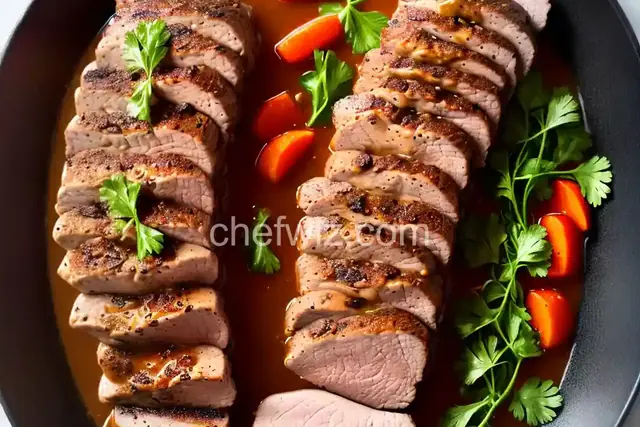
Now that you're familiar with the magic of sous vide cooking, it's time to dive into the pork tenderloin recipe. Picture this: a perfectly cooked pork tenderloin, seasoned with your favorite herbs and spices, and finished off with a mouthwatering sear. Hungry yet?
But wait, there's more! Sous vide cooking allows you to experiment with different flavor combinations. Want to add a touch of sweetness? How about a tangy twist? The choice is yours, and the possibilities are endless.
The sous vide pork tenderloin recipe is a culinary adventure worth exploring. With its precise temperature control, it guarantees juicy and tender pork every time. So why wait? Grab your sous vide equipment, choose your favorite flavors, and get ready to impress your taste buds with a mouthwatering pork tenderloin masterpiece.
Absolutely! Sous vide cooking involves precise temperature control, ensuring that your food is cooked to the recommended safe internal temperature.
Unlike traditional cooking methods, sous vide cooking provides a foolproof way to avoid overcooking. The controlled temperature ensures that your tenderloin remains perfectly cooked without drying out.
The cooking time will depend on the thickness of your pork tenderloin. As a general guideline, a 1-inch thick tenderloin will take approximately 1.5 to 2 hours to cook sous vide.
While it's not necessary, searing the pork tenderloin before sous vide cooking can add a delightful crust and enhance the overall flavor.
Absolutely! Sous vide cooking is a great way to cook frozen pork tenderloin. Simply adjust the cooking time accordingly.
Yes, you'll need a sous vide immersion circulator or a sous vide machine to maintain the precise temperature required for this cooking technique.
While a vacuum sealer is ideal for sous vide cooking, you can also use a ziplock bag and the water displacement method to achieve a similar result.
It is not recommended to reuse the sous vide cooking water as it may have absorbed flavors from previous cooking sessions. It's best to use fresh water for each new cooking endeavor.
Absolutely! Sous vide cooking works wonders with various cuts of pork, such as pork chops, ribs, and shoulder. The same principles apply - precise temperature control and tender results.
AprilCook, recipe developer and the heart of Chefwiz. More about April