Sous Vide Brisket
Rate this recipeBe the first to rate
 By AprilPublished
 Are you tired of tough and dry brisket? Do you want to impress your friends and family with a melt-in-your-mouth dish?
 By AprilPublished
 Are you tired of tough and dry brisket? Do you want to impress your friends and family with a melt-in-your-mouth dish?
In a small bowl, mix together pepper, salt, paprika, and pink salt (if using).
Take approximately 1/4 of the spice mixture and coat the brisket on all sides.
Place the coated brisket in a plastic bag and seal it using a vacuum sealer or the water displacement method.
Put the bagged brisket in a large water bath and attach an immersion circulator.
Cook the brisket at 155°F for at least 30 hours, or up to 36 hours, making sure the water level stays above the top of the bag. You can cover the water bath with plastic wrap to reduce evaporation.
After cooking, remove the brisket from the bag and save any liquid that has been released.
Transfer the brisket to a cutting board and allow it to come to room temperature for about 1 hour to prevent overcooking in the oven.
Preheat the oven to 300°F.
Coat the brisket with the remaining spice rub and place it on a wire rack on a sheet tray.
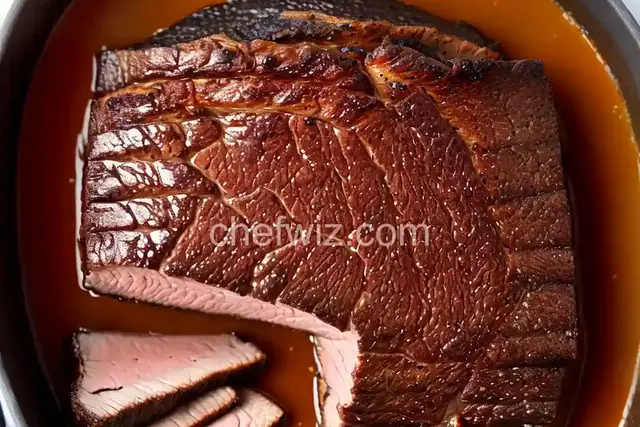
Roast the brisket in the oven until a dark crust has formed, which takes about 1 hour and 45 minutes.
While the brisket is roasting, prepare the sauce: In a medium saucepan, melt butter over medium heat. Add the onion and cook until it becomes translucent and starts to brown, usually around 5 to
Are you tired of tough and dry brisket? Do you want to impress your friends and family with a melt-in-your-mouth dish? Look no further! Sous vide cooking is here to save the day. In this article, we'll explore the art of sous vide brisket and how it can elevate your culinary skills.
Sous vide cooking is a technique that involves vacuum-sealing food in a plastic bag and immersing it in a temperature-controlled water bath. This method allows for precise temperature control, ensuring that the food is cooked evenly and to perfection. Think of it as cooking in a gentle and controlled environment, much like a spa for your food.
Brisket, known for its tough and chewy nature, can be a challenge to cook. Traditional methods often result in dry and overcooked meat. However, sous vide cooking takes the guesswork out of the equation. By cooking the brisket at a low and consistent temperature for an extended period, you'll achieve a tender and juicy texture that will leave your taste buds dancing.
Now that you understand the basics of sous vide cooking let's dive into the process of cooking brisket using this method.
Before sealing your brisket in a vacuum bag, it's essential to season it generously. Whether you prefer a classic salt and pepper rub or a more complex blend of spices, the choice is yours. The vacuum-sealing process allows the flavors to penetrate deep into the meat, resulting in a flavorful and well-seasoned dish.
Once your brisket is seasoned to perfection, it's time to seal it in a vacuum bag. This step ensures that the flavors are locked in and that the meat remains moist throughout the cooking process. Make sure to remove all the air from the bag to achieve the best results.
Fill a large container or a sous vide machine with water and set the temperature according to your desired level of doneness. For a medium-rare brisket, aim for around 135째F (57째C). The water bath will maintain a constant temperature, allowing the meat to cook slowly and evenly.
Patience is key when it comes to sous vide cooking. Brisket requires a long cooking time, usually ranging from 24 to 48 hours. This extended cooking time allows the tough collagen in the meat to break down, resulting in tender and succulent brisket.
After the brisket has cooked to perfection, it's time to give it a beautiful sear. Heat a skillet or grill to high heat and sear the brisket for a few minutes on each side. This step adds a caramelized crust, enhancing both the flavor and appearance of the dish.
Yes, you can! While a vacuum sealer is the preferred method for sealing the brisket, you can also use a ziplock bag and the water displacement method. Simply place the seasoned brisket in the bag, seal it most of the way, and slowly submerge it in water, allowing the pressure to push out the air.
While a longer cooking time is recommended for the best results, you can adjust the cooking time based on your preferences. However, keep in mind that the longer you cook the brisket, the more tender it will become.
The great thing about sous vide cooking is that it's hard to overcook the brisket. However, for a medium-rare brisket, you can cook it until it reaches an internal temperature of around 135째F (57째C). For a more well-done brisket, you can increase the temperature accordingly.
Absolutely! Adding a marinade to the bag can infuse the brisket with additional flavors. Just make sure to account for the added liquid when sealing the bag to prevent any leaks.
Yes, you can freeze the cooked brisket. Once the brisket has cooled, you can portion it into individual servings and store them in airtight containers or freezer bags. When you're ready to enjoy it, simply thaw and reheat using your preferred method.
Absolutely! Sous vide cooking is versatile and can be applied to various cuts of meat, from steaks to pork chops. The precise temperature control ensures that you'll achieve consistent and delicious results every time.
Yes, you can! Sous vide cooking is not limited to meats alone. You can also use this method to cook vegetables, allowing them to retain their vibrant colors, nutrients, and flavors.
Yes, sous vide cooking is safe when practiced correctly. The controlled temperature of the water bath ensures that harmful bacteria are eliminated, resulting in safe and delicious meals. However, it's essential to follow proper food safety guidelines, such as maintaining proper hygiene and cooking temperatures.
In conclusion, sous vide brisket is a game-changer when it comes to cooking this challenging cut of meat. With its precise temperature control and long cooking time, you'll achieve a tender and juicy brisket that will impress even the toughest food critics. So why not give sous vide cooking a try? Your taste buds will thank you!
AprilCook, recipe developer and the heart of Chefwiz. More about April