Soup Dumplings (Xiao Long Bao) Recipe
Rate this recipeBe the first to rate
 By AprilPublished
 Have you ever experienced a burst of flavor in a single bite?
 By AprilPublished
 Have you ever experienced a burst of flavor in a single bite?
In a stockpot, combine chicken bones, ham, scallion whites, half of scallion greens, ginger, and white peppercorns. Cover with cold water.
Bring the mixture to a boil over high heat, then reduce to a simmer. Let it simmer, uncovered, for 2 1/2 hours.
Line a fine-mesh strainer with cheesecloth and place it over a large heatproof bowl.
Carefully pour the bone broth through the strainer into the bowl, straining out the solids. Discard the solids.
Season the strained broth with salt to taste. Cover the bowl and refrigerate it until it sets into a semi-firm jelly, which should take at least 8 hours.
Once the broth has set, remove any fat that has formed on top and discard it.
Meanwhile, in a food processor, combine pork, shrimp, soy sauce, wine, sugar, 1 teaspoon salt, and the remaining scallion greens. Process until a fine paste is formed. Refrigerate the mixture until ready to use.
In the bowl of a food processor, place the flour. With the machine running, slowly add water until a cohesive dough is formed. You may not need all of the water. Let the dough process for 30 seconds, then form it into a ball using floured hands. Transfer the dough to a bowl, cover it with a damp towel
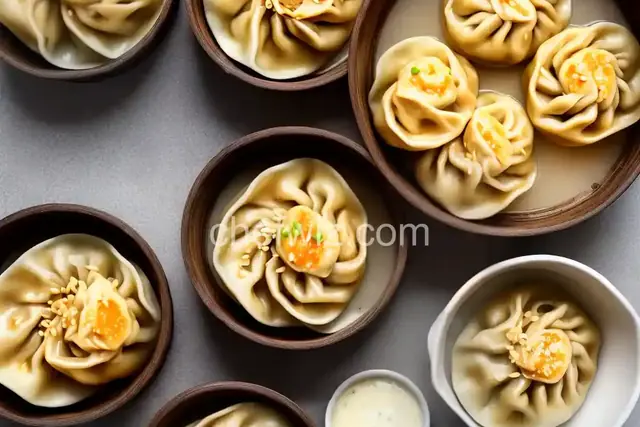
Have you ever experienced a burst of flavor in a single bite? That's exactly what soup dumplings, also known as Xiao Long Bao, offer. These little pockets of joy are a culinary masterpiece that originated in Shanghai, China. With their delicate wrappers and savory filling, soup dumplings have gained popularity all over the world. In this article, we'll explore the magical world of soup dumplings, their history, and why they are loved by so many.
Like many ancient dishes, the exact origins of soup dumplings are shrouded in mystery. Legend has it that a chef in Shanghai accidentally created them while trying to make a new type of dumpling. Instead of ordinary dumplings, he ended up with juicy parcels filled with both meat and a delicious broth. The chef, delighted by his accidental creation, named them Xiao Long Bao, meaning "little basket buns."
What sets soup dumplings apart from other dumplings is the surprise they hold inside. As you take a bite, a burst of hot, flavorful broth fills your mouth, complementing the tender meat or vegetable filling. It's like savoring a miniature soup in a single bite-sized package. The delicate balance of flavors and textures is what makes soup dumplings so special.
When you order soup dumplings at a restaurant, they are typically served steamed in a bamboo basket. The dumplings are carefully arranged, each one plump and glistening. As you lift a dumpling with your chopsticks, you can already feel the anticipation building. Will it be a pork filling? Or perhaps a vegetarian option? The only way to find out is to take a bite and let the magic unfold.
Eating soup dumplings is an experience that requires both patience and skill. The thin dumpling wrapper is fragile, so it's crucial to handle them with care. Start by placing a dumpling on your spoon and gently nibble a small hole in the wrapper. Allow the steam to escape, and then slurp the hot broth from the spoon. Finally, savor the remaining dumpling, combining the tender meat or vegetables with the dipping sauce provided.
A good dipping sauce can elevate the flavors of soup dumplings to new heights. The most common sauce is a combination of black vinegar and ginger. The acidity of the vinegar cuts through the richness of the dumplings, while the ginger adds a refreshing kick. Some people also enjoy adding a touch of soy sauce or chili oil for an extra layer of flavor. Experiment with different combinations until you find your perfect match.
Soup dumplings, with their delicate wrappers and flavorful fillings, offer a unique culinary experience. From their mysterious origins to the burst of hot soup in every bite, these dumplings have captivated the taste buds of people around the world. Whether you enjoy them at a restaurant or try making them at home, soup dumplings are sure to leave you craving for more. So, go ahead and embark on a delicious journey filled with the perfect bite of deliciousness!
No, making soup dumplings at home is not as challenging as it may seem. With some practice and patience, you can create your own delightful dumplings. There are plenty of online tutorials and recipes available to guide you through the process.
Absolutely! While the traditional filling for soup dumplings is pork, you can get creative and use other ingredients like chicken, shrimp, or even vegetarian options. The key is to ensure that the filling is flavorful and juicy.
Yes, you can freeze soup dumplings for later enjoyment. After assembling the dumplings, place them on a tray lined with parchment paper and freeze until firm. Once frozen, transfer them to airtight containers or freezer bags. When you're ready to eat, steam the frozen dumplings for a few extra minutes to ensure they are thoroughly heated.
No, soup dumplings have gained popularity worldwide. You can find restaurants serving these delectable treats in many major cities around the globe. People have fallen in love with the unique experience of biting into a soup-filled dumpling.
While soup dumplings are undeniably delicious, they are not the healthiest option out there. The wrappers are usually made with wheat flour, and the filling might contain fatty meat. However, you can make healthier versions at home by using lean meats and incorporating more vegetables into the filling.
No, soup dumplings are not the same as regular dumplings. Regular dumplings have a thicker skin and are usually served boiled or pan-fried. Soup dumplings, on the other hand, have a thinner and more delicate wrapper, with a burst of hot soup inside.
While it is possible to eat soup dumplings with a fork, it's not the traditional method. The best way to enjoy soup dumplings is with chopsticks and a spoon. The chopsticks allow you to pick up the dumplings gently, while the spoon catches any dripping soup.
Reheating leftover soup dumplings is not recommended, as the delicate wrapper may become soggy. It's best to enjoy them fresh. If you have any leftovers, it's best to consume them the next day or freeze them for later use.
AprilCook, recipe developer and the heart of Chefwiz. More about April