Songpyeon “Apples”
Rate this recipeBe the first to rate
 By AprilPublished
 Have you ever wondered how food can be a vessel for culture and tradition?
 By AprilPublished
 Have you ever wondered how food can be a vessel for culture and tradition?
Grind ½ cup freeze-dried strawberries until finely ground using a spice mill or mortar and pestle. Set aside 2 tsp. of the strawberry powder in a small bowl and save the rest for later use.
Preheat the oven to 350°. Spread 6 Tbsp. sesame seeds on a small rimmed baking sheet and toast them for 10-12 minutes, tossing halfway through, until they turn golden brown and emit a nutty aroma. Transfer the toasted sesame seeds to a small bowl and let them cool slightly.
Coarsely grind half of the sesame seeds using a spice mill or mortar and pestle, then return them to the bowl. Mix in 3 Tbsp. dark brown sugar and 3 Tbsp. honey until a stiff paste forms. Set this sesame filling aside.
Pour 1 cup of hot water into a measuring glass and keep it ready. In a medium bowl, whisk together 2 cups of rice flour, 2 Tbsp. sweet rice flour (mochiko), and ¼ tsp. kosher salt. Mix in 4 Tbsp. hot water with your hands until a crumbly dough forms and there is no dry flour left. Gradually add more hot water, a few tablespoons at a time, until the dough reaches a clay-like consistency (similar to play dough). You may not need all of the water.
Take a golf-ball-sized piece of dough and sprinkle it
Have you ever wondered how food can be a vessel for culture and tradition? Just like how the apple is often associated with American culture, the Songpyeon “Apples” are an iconic treat that represents Korean tradition. Songpyeon, a type of rice cake, holds a special place in Korean culture and is frequently enjoyed during the harvest festival of Chuseok. Let's delve into the fascinating world of Songpyeon and discover why these delectable treats are cherished by Koreans across generations.
Making Songpyeon is an art in itself. The process involves delicately shaping rice dough into small, bite-sized balls, which are then filled with various sweet or savory ingredients. These little parcels are steamed on a bed of pine needles, giving them a unique aroma and flavor. The final touch is a gentle coating of fragrant sesame oil, which enhances the overall taste and appearance of the Songpyeon.
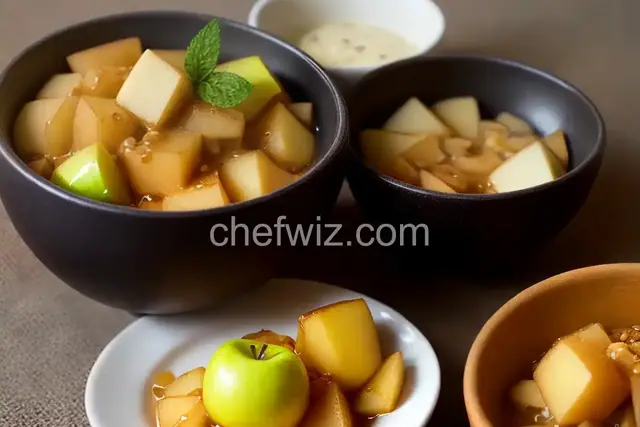
One of the most distinctive features of Songpyeon is its shape. These rice cakes are not your typical round or square treats; instead, they are shaped like apples. The reason behind this shape is deeply rooted in Korean folklore. According to legend, eating an apple-shaped Songpyeon is said to bring good fortune and grant wishes. Just like how biting into a fresh apple can awaken your senses, enjoying a Songpyeon “Apple” is believed to bring a burst of joy and happiness.
Chuseok, also known as the Korean Thanksgiving Day, is a major holiday in Korea. It is a time when families come together to celebrate the harvest season and pay respects to their ancestors. The tradition of making Songpyeon during Chuseok dates back centuries and has become an integral part of the festivities. This holiday holds a special place in the hearts of Koreans, and Songpyeon plays a crucial role in symbolizing the gratitude and blessings that come with a bountiful harvest.
Songpyeon “Apples” are not just ordinary rice cakes; they encapsulate the essence of Korean tradition, family, and gratitude. These apple-shaped treats, enjoyed during Chuseok, bring joy and happiness to those who bite into them. So, why not embrace the spirit of Korean culture and savor the unique experience of enjoying a Songpyeon "Apple"? It's time to take a bite and let the flavors transport you to the heart of Korean tradition.
Songpyeon is primarily made with glutinous rice flour, which gives it a chewy and slightly sweet texture. Other ingredients commonly used in the filling include sesame seeds, red bean paste, and chestnuts.
Absolutely! Songpyeon comes in a variety of flavors, both sweet and savory. Some popular sweet flavors include honey, cinnamon, and jujube. On the savory side, fillings like mushrooms, minced meat, and vegetables are commonly used.
While Songpyeon is traditionally associated with Chuseok, it can be enjoyed throughout the year. However, it is most commonly made and consumed during the harvest season as a way to celebrate and express gratitude for the abundance of crops.
Yes, making Songpyeon is often a family affair. It is a time when multiple generations come together to shape the rice dough, fill the Songpyeon, and share stories and laughter. This tradition not only strengthens family bonds but also passes down cultural heritage from one generation to another.
Due to its fresh and delicate nature, Songpyeon is best enjoyed within a few days of making. However, if stored properly in an airtight container, Songpyeon can be kept for up to a week. Just make sure to consume it before it loses its softness and flavor.
Yes, Songpyeon is a gluten-free treat as it is made primarily with glutinous rice flour, which does not contain gluten. This makes it an excellent choice for individuals with gluten sensitivities or those following a gluten-free diet.
While Songpyeon is most commonly found in Korea, it is possible to find it in Korean markets or specialty stores in other countries. Additionally, some Korean restaurants may also offer Songpyeon as a seasonal dessert during Chuseok.
Songpyeon is best enjoyed fresh and at room temperature. Simply take a bite into the soft, chewy rice cake and savor the burst of flavors from the filling. The combination of the fragrant pine aroma, the sweetness of the rice dough, and the richness of the filling is truly a delight for the senses.
AprilCook, recipe developer and the heart of Chefwiz. More about April