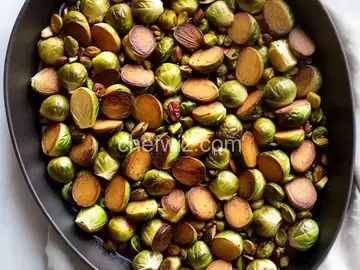
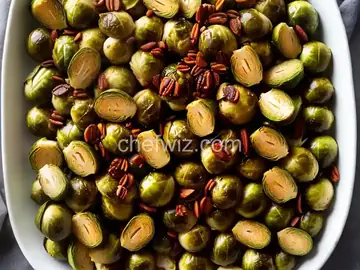
Soft and Tender Brussels Sprouts
Rate this recipeBe the first to rate
 By AprilPublished
 Brussels sprouts, those little green gems that resemble mini cabbages, often get a bad rap.
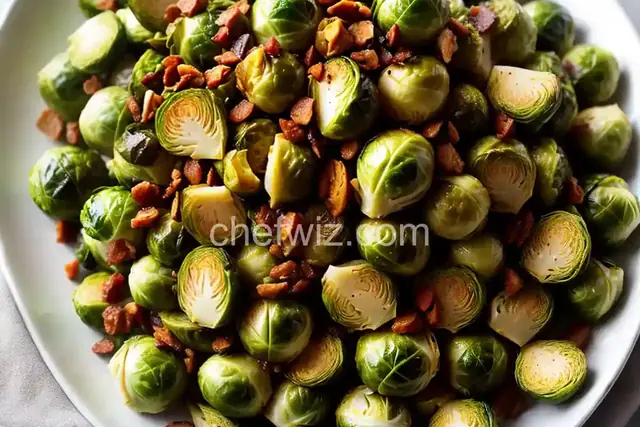 By AprilPublished
 Brussels sprouts, those little green gems that resemble mini cabbages, often get a bad rap.
Preheat the oven to 375 degrees F (190 degrees C).
Trim the ends off the Brussels sprouts.
Quarter the large Brussels sprouts and halve the smaller ones.
Place the Brussels sprouts in a large bowl and drizzle with olive oil. Mix well to ensure they are coated.
Pour the Brussels sprouts onto a rimmed baking sheet.
Sprinkle garlic powder and seasoned salt over the Brussels sprouts.
Bake in the preheated oven for 30 to 45 minutes, or until the Brussels sprouts are tender.
Brussels sprouts, those little green gems that resemble mini cabbages, often get a bad rap. Many people think of them as bitter and unpleasant. But when cooked properly, Brussels sprouts can be transformed into a delicious and tender side dish that even the pickiest eaters will enjoy.
So, how do you achieve that perfect soft and tender texture? It all comes down to proper cooking techniques. One of the keys to success is not overcooking the sprouts. Too much heat can cause them to become mushy and lose their vibrant color.
Start by trimming the tough outer leaves and cutting a small "X" into the base of each sprout. This helps them cook more evenly and allows the flavors to penetrate the inner layers. Then, you can choose to steam, roast, or sauté the sprouts.
If you prefer steaming, place the sprouts in a steamer basket over simmering water and cover them with a lid. Steam for about 5-7 minutes until they are just tender. Remember, you want them to still have a slight crunch.
Roasting Brussels sprouts is another popular method that brings out their natural sweetness. Toss them in olive oil, season with salt and pepper, and spread them out on a baking sheet. Roast in a preheated oven at 400°F for 20-25 minutes, or until they are caramelized and golden brown.
If you're short on time, sautéing Brussels sprouts is a quick and easy option. Heat some butter or olive oil in a skillet over medium heat. Add the sprouts and cook for about 8-10 minutes, stirring occasionally, until they are tender and lightly browned.
While cooking techniques play a crucial role in achieving soft and tender Brussels sprouts, adding complementary flavors can take them to the next level. Consider these ideas:
Don't let the negative reputation of Brussels sprouts deter you from trying them. With the right cooking techniques and flavor combinations, you can create soft and tender sprouts that will convert even the staunchest skeptics. Whether you steam, roast, or sauté them, these little green wonders are sure to impress.
Yes, Brussels sprouts are packed with nutrients like vitamin C, vitamin K, and fiber. They are also low in calories and high in antioxidants.
Yes, you can freeze cooked Brussels sprouts. Just make sure to blanch them in boiling water for a few minutes before freezing to preserve their texture and flavor.
Brussels sprouts are done when they are fork-tender but still have a slight crunch. Avoid overcooking them as they can become mushy.
While Brussels sprouts can be eaten raw, they are often more enjoyable when cooked. Cooking helps to soften their texture and mellow out their flavor.
Store Brussels sprouts in the refrigerator in a plastic bag or airtight container. They will stay fresh for up to a week.
Yes, you can use frozen Brussels sprouts in recipes. However, they may have a slightly softer texture compared to fresh sprouts.
Brussels sprouts are an excellent choice for both vegetarian and vegan diets. They are a great source of plant-based protein and can be prepared in a variety of delicious ways.
Absolutely! Brussels sprouts can be grown in a home garden. They require a cool climate and take several months to reach maturity. Plant them in well-drained soil and provide them with plenty of sunlight.
AprilCook, recipe developer and the heart of Chefwiz. More about April