Slow-Roasted Shallots in Skins
Rate this recipeBe the first to rate
 By AprilPublished
 If you're a food lover, you know the joy of discovering new flavors and textures that tantalize your taste buds.
 By AprilPublished
 If you're a food lover, you know the joy of discovering new flavors and textures that tantalize your taste buds.
Preheat the oven to 425°.
Rinse the shallots and place them on a baking sheet with rims.
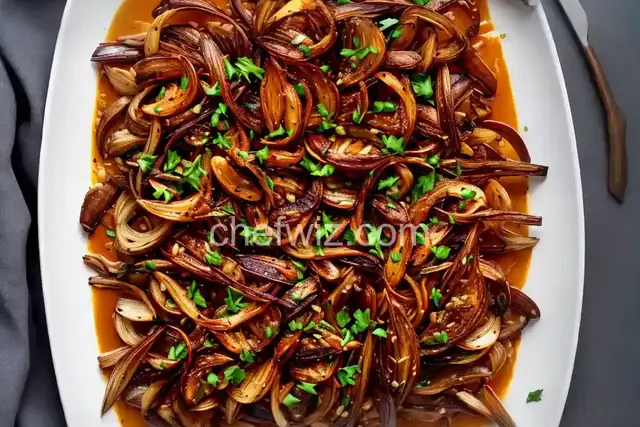
Roast the shallots in the oven until the skins turn deep golden brown and blistered, and the flesh becomes very tender. It should easily yield when pierced with a knife. This usually takes about 50-60 minutes.
Allow the shallots to cool down until they are easy to handle.
You can choose to split open the shallots and eat them as is, or remove the shallots from their skins to use them in vinaigrettes, sauces, or condiments.
If you're a food lover, you know the joy of discovering new flavors and textures that tantalize your taste buds. One such culinary delight that often gets overlooked is slow-roasted shallots in their skins. These small, humble bulbs can transform into a flavorful and tender treat when given the time and care they deserve. In this article, we will explore the art of slow-roasting shallots in their skins and uncover the secrets behind this delectable dish.
Imagine the aroma that fills your kitchen when you bake a fresh loaf of bread. The anticipation of that first bite, with the crust crackling under your teeth and the soft, warm center melting in your mouth. Slow-roasting shallots is a similar experience, as the skins protect the delicate flesh inside, allowing it to become tender and sweet. The low and slow cooking process caramelizes the natural sugars, creating a depth of flavor that adds a touch of elegance to any dish.
Before embarking on this culinary journey, it's important to properly prepare your shallots. Start by selecting shallots that are firm and free from blemishes. Gently peel away the outer layer of skin, being careful not to damage the delicate flesh beneath. Leave the shallots whole, with their skins intact, as this will help retain their moisture and flavor during the slow-roasting process.
To achieve the perfect slow-roasted shallots, preheat your oven to a low temperature, around 300°F (150°C). Place the prepared shallots on a baking sheet and drizzle them with olive oil, ensuring they are evenly coated. Sprinkle a pinch of salt and a dash of pepper over the shallots to enhance their natural flavors. Now, it's time to let the oven work its magic. Slow-roast the shallots for approximately one hour, or until they are golden brown and tender when pierced with a fork.
Slow-roasted shallots can be a versatile addition to a wide variety of dishes. Their sweet and savory flavor can elevate a simple salad, add depth to a creamy pasta sauce, or become the star of a vibrant vegetable medley. Imagine the burst of flavor as you bite into a roasted shallot, releasing its caramelized essence into your dish. The possibilities are endless, limited only by your imagination.
Slow-roasted shallots in their skins are a culinary gem waiting to be discovered. The process of slow-roasting transforms these humble bulbs into tender, caramelized delights that can enhance a wide range of dishes. Whether you're a seasoned chef or an aspiring home cook, incorporating slow-roasted shallots into your culinary repertoire is guaranteed to elevate your dishes to new heights. So why not embark on this delightful journey and savor the magic of slow-roasted shallots today?
While this article focuses on shallots, you can certainly experiment with other types of onions. Each variety brings its own unique flavor profile to the table, so don't be afraid to get creative in your culinary endeavors.
It's best to keep the skins on during the slow-roasting process as they protect the delicate flesh inside and help retain moisture. However, if you prefer to remove the skins, you can do so. Just keep in mind that the shallots may cook faster and have a slightly different texture.
Once cooked, you can store slow-roasted shallots in an airtight container in the refrigerator for up to five days. They can be enjoyed cold or reheated before using them in various dishes.
Yes, you can freeze slow-roasted shallots for future use. Place them in a freezer-safe container or bag, ensuring they are well-sealed. They can be stored in the freezer for up to three months.
Slow-roasted shallots can bring a delightful depth of flavor to vegetarian dishes. Add them to roasted vegetable medleys, toss them into creamy risottos, or use them as a topping for homemade pizzas. The possibilities are endless!
Absolutely! The natural sweetness of slow-roasted shallots can be a surprising addition to sweet treats like tarts or cakes. Experiment with incorporating them into your favorite dessert recipes and let your taste buds be the judge.
Slow-roasted shallots can certainly add a flavorful twist to soups and stews. Their caramelized essence can enhance the overall taste and provide a delicious depth of flavor. Chop them up and add them to your favorite recipes for an extra touch of richness.
Slow-roasted shallots are generally suitable for most dietary restrictions, including vegetarian, vegan, and gluten-free diets. However, it's always best to check individual dietary needs and preferences before incorporating them into specific dishes.
Absolutely! The sweet and savory flavor of slow-roasted shallots can be a delicious addition to burgers or sandwiches. Chop them up and sprinkle them on top for an elevated twist on a classic favorite.
AprilCook, recipe developer and the heart of Chefwiz. More about April